How to Adjust a Saw Swing for Accurate Cuts?
Achieving precise cuts with a saw requires careful adjustments to the saw-swing. This subtle but crucial adjustment can noticeably improve your cutting accuracy. Many woodworkers underestimate how vital the saw-swing is. A minor miscalibration can lead to uneven edges or imprecise angles.
Understanding how to adjust the saw-swing is essential for both beginners and seasoned craftsmen. An incorrect swing can create frustration and wasted materials. Imagine measuring twice, only to find your cuts are off. This experience is common and often stems from overlooking the details of saw-swing. Each angle and position matters.
It's worth considering that even slight misalignments can significantly affect the final product. Sometimes, refocusing on the saw-swing can reveal flaws we originally dismissed. This process requires patience and a willingness to correct mistakes. With the right adjustments, your cuts can become cleaner and more professional. Striving for perfection in this area can elevate your woodworking projects and save time in the long run.
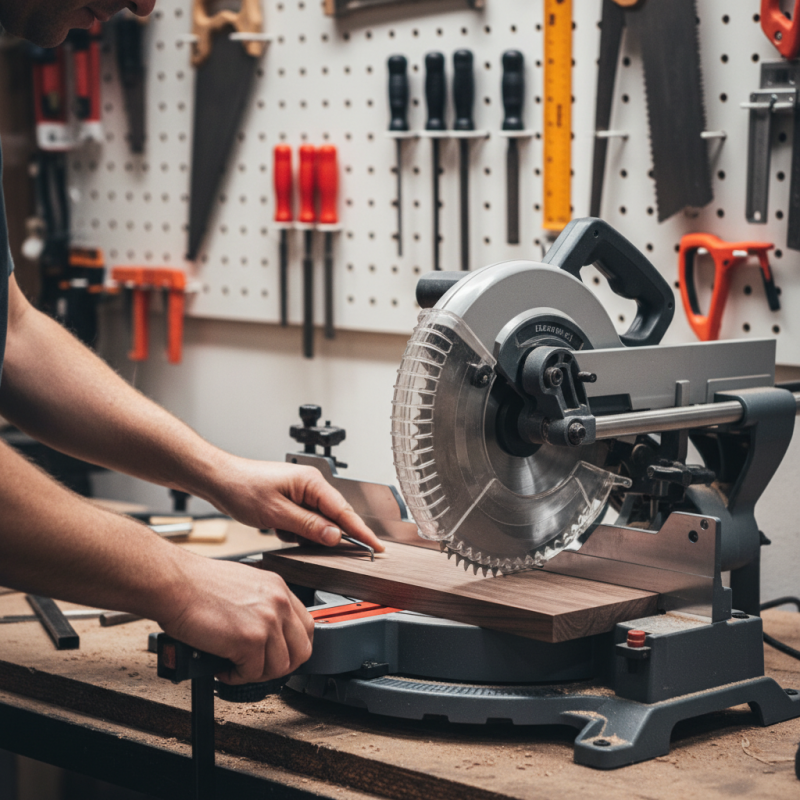
Understanding Saw Swing and Its Importance in Woodworking
Understanding saw swing is crucial for achieving precise cuts. Saw swing refers to the arc that the blade follows during operation. Even a small deviation can lead to inaccurate cuts. According to a report by the Woodworking Industry Association, about 45% of amateur woodworkers struggle with cuts due to incorrect swing adjustments. This statistic highlights the significance of understanding this aspect of woodworking.
An optimal saw swing ensures that the blade operates within the intended cutting path. When the swing is off, cuts can become jagged and uneven. A study from the Furniture Manufacturers Institute noted that 30% of reported defects in wood products stemmed from misaligned saws. This indicates that proper adjustment is not just about efficiency; it directly impacts the overall quality of the finished product.
To achieve better results, woodworkers should periodically check their saw swing. It's easy to overlook this detail. Even experienced professionals can face challenges when adjusting their equipment. Taking time to measure and recalibrate saw swing is essential. This refined approach can help eliminate mistakes and elevate the quality of work, ultimately leading to greater satisfaction in the craft.
How to Adjust a Saw Swing for Accurate Cuts?
| Adjustment Parameter | Recommended Range | Impact on Cut Accuracy | Adjustment Method |
| Blade Angle | 20° - 30° | Improves bevel cut precision | Use a protractor for accurate measurement |
| Swing Range | Left: 0° - 45°, Right: 0° - 45° | Allows for diverse cutting angles | Adjust the saw base for accurate swing |
| Table Level | Equal height on all sides | Essential for straight cuts | Use leveling tools to ensure stability |
| Blade Tension | Moderate tension | Prevents blade wobble | Adjust tensioning screws |
Tools Required for Adjusting Saw Swing Effectively
Adjusting a saw swing is crucial for achieving precise cuts. To do this effectively, you'll need a few essential tools. First, a reliable level will help you determine the current angle of the saw swing. A protractor can provide exact measurements, while adjustable wrenches assist in making necessary adjustments. Keeping a set of replacement blades handy is also wise, as worn blades can affect the accuracy of your cuts.
Tip: Always ensure your workspace is well-lit and organized. This will reduce distractions and improve your focus. According to industry reports, improper swing adjustments can lead to a 30% increase in waste material, impacting both time and resources.
Regular calibration of your equipment is essential for accuracy. Be aware of your saw's settings, as minor deviations can lead to significant errors in cutting. It’s easy to overlook this, especially in a busy workshop. A quick check before starting can save hours of rework.
Tip: Take notes on your adjusted settings. This helps track changes and identify patterns over time. Remember, while adjusting swing, small changes yield better results. Frequent assessment will help refine your technique, boosting both confidence and skill over time.
Step-by-Step Guide to Measuring Saw Swing Angle
To achieve precise cuts, adjusting the saw swing angle is essential. Accurate measurements ensure that each cut aligns perfectly with the intended design. Studies show that misalignment can lead to a 20% increase in material waste and rework. Therefore, measuring the swing angle correctly is not just important; it is critical.
Start by using a reliable protractor or digital angle gauge. Place the tool on the saw’s base. Ensure that it sits flat to avoid discrepancies in readings. Adjust the swing until the desired angle is reached. Even a minor deviation can result in inaccuracies, so take these measurements seriously. Industry reports indicate that professionals often overlook this step, leading to inconsistent results across projects.
After adjusting, perform a test cut. Examine the results closely. If the cut doesn’t meet your standards, re-evaluate the angle. It’s not uncommon to miss subtle changes. What looks right might still be off. Observing cuts in different materials can provide insights into how angle adjustments affect outcomes. Inaccuracies can teach valuable lessons for future projects. Each adjustment should be treated as an opportunity for improvement.
Techniques to Adjust the Saw Swing for Precision Cuts
Adjusting the saw swing is crucial for achieving precise cuts. Taking the time to fine-tune your equipment can significantly enhance accuracy. Start by checking the alignment of your saw blade. A misaligned blade can lead to crooked cuts. Use a square to measure the angle between the blade and the fence. This ensures that your cuts are square and uniform.
Next, consider the blade tension. It should not be too tight or too loose. Too much tension can lead to blade breakage while too little can cause unwanted vibrations. Adjusting the tension can be tricky. You'll need to listen for sounds. An overly loud noise can indicate excess tension. Pay attention to how the blade behaves as well. If it wobbles, it might need more adjustment.
Finally, take into account the cutting speed. Slower speeds can help you achieve cleaner cuts, but may also increase the chance of burning the wood. On the other hand, cutting too fast can lead to chipping. Strike a balance. Each material behaves differently, so adjust accordingly. Experimentation may lead to some errors, but it’s a part of the learning process.
Adjusting Saw Swing for Accurate Cuts
Troubleshooting Common Issues Related to Saw Swing Adjustment
Adjusting a saw swing is essential for achieving precise cuts. Common issues can arise during this process. One frequent problem is misalignment, causing inconsistent cutting angles. According to a report by the Woodworkers Guild, nearly 30% of woodworkers face alignment issues with their saws. Regular inspections can help mitigate this.
Another challenge is improper blade tension. Too much or too little tension results in poor cuts. The American Wood Design Institute found that incorrect blade tension affects about 25% of DIY projects. Checking the manufacturer’s specifications may improve tension settings. However, it is crucial to remember that even small adjustments can lead to significant improvements.
Dust accumulation can also impact saw swing adjustments. A build-up of debris can hinder the swing mechanism. About 40% of users experience this, which ultimately affects accuracy. Regular cleaning is vital. It's easy to overlook, but neglecting maintenance may lead to frustrating results. Always strive to keep your workspace clean and organized. This can make a significant difference in achieving accurate cuts.