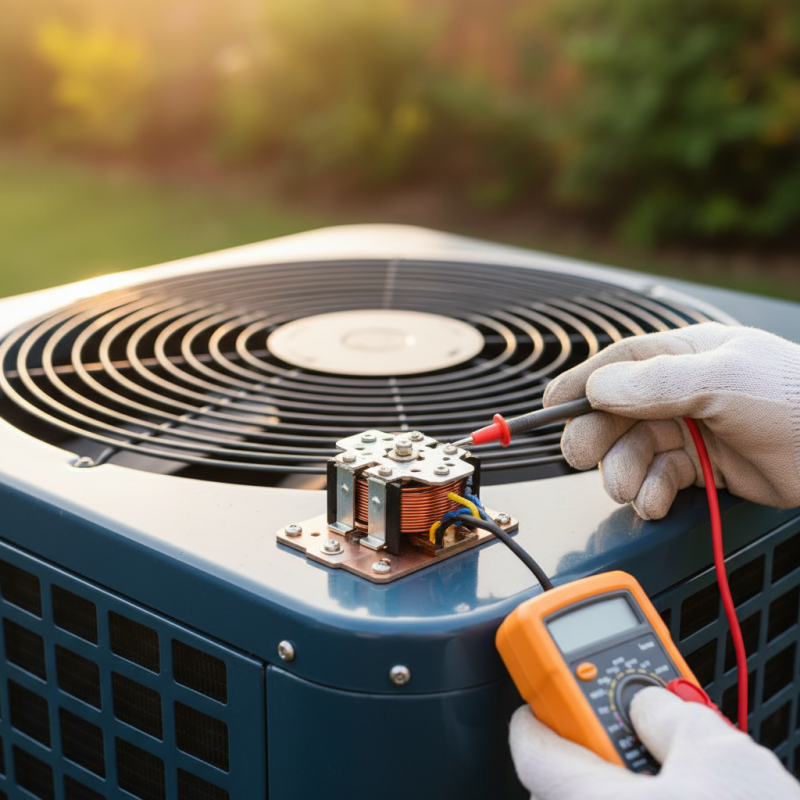
What is an Air Conditioning Contactor and How Does It Work?
An Air Conditioning Contactor plays a crucial role in your cooling system. It acts as an electrical relay, controlling the power to the compressor and fan. When you adjust your thermostat, it signals the contactor to close, allowing electricity to flow. This process cools your home efficiently.
Understanding how an Air Conditioning Contactor works can help you maintain your system better. A faulty contactor can lead to performance issues or total system failure. Regular checks can prevent costly repairs and keep your home comfortable.
Many people overlook this component until it causes problems. Recognizing its function allows for proactive maintenance. Keep in mind, seeking help from a professional ensures your safety and system longevity. Proper education on such systems is vital for homeowners.
What is an Air Conditioning Contactor?
An air conditioning contactor is a crucial component in HVAC systems. It acts as an electrical switch that controls the power to the compressor and condenser fan. When the thermostat calls for cooling, the contactor closes, allowing electricity to flow to these vital parts. This simple yet essential device ensures your air conditioner functions efficiently.
Understanding how a contactor works can help in troubleshooting issues. If your AC unit isn’t cooling, a faulty contactor could be the culprit. Signs of failure may include strange sounds or a burning smell. It’s important to inspect this part regularly, as neglect can lead to larger problems. Moreover, even a slight delay in its response can affect indoor comfort.
While contactors are generally reliable, they do wear out over time. Corrosion and dust can hinder performance. Regular maintenance is key to prolonging their lifespan. It helps keep components in optimal condition. However, do not overlook the potential need for replacement. A proactive approach ensures better efficiency and prevents unexpected breakdowns.
What is an Air Conditioning Contactor and How Does It Work?
| Component | Function | Specifications | Common Issues |
| Contact Points | Conduct electricity to the compressor and fan | Rated for 24V or 120V AC | Worn contacts leading to reduced efficiency |
| Coil | Electromagnetic coil that opens/closes the contact points | 12V to 600V rated coil options | Burnt coil due to over voltage |
| Enclosure | Protects internal components from dust and moisture | NEMA rated for outdoor use | Corrosion from environmental exposure |
| Screw Terminals | Connects power and control wires | Compatible with various wire gauges | Loose connections causing arcing |
The Role of a Contactor in Air Conditioning Systems
A contractor plays a crucial role in air conditioning systems. It acts as a switch that enables the flow of electricity to the compressor, fan, and other critical components. This device controls high-voltage power and ensures that air conditioning units operate efficiently. Statistics indicate that improper functioning of contactors can lead to a 20% increase in energy consumption.
In many cases, contactors can wear out due to regular use. Signs of failure may include humming noises or flickering lights. Regular inspections can prevent costly breakdowns. Research from industry experts shows that 30% of air conditioning unit failures stem from contactor issues. Upgrading to higher-quality contactors can enhance reliability and efficiency.
Air conditioning systems are complex. A small failure, like a faulty contactor, can lead to bigger problems. Many homeowners overlook the importance of this component. Ignoring wear can result in expensive repair bills. Investing time in maintenance can save money and extend the life of the air conditioning system.
How an Air Conditioning Contactor Operates
An air conditioning contactor plays a crucial role in HVAC systems. It acts as a switch that controls the flow of electricity to the compressor and other components. When the thermostat signals the need for cooling, the contactor closes, allowing high voltage to flow. This initiates the cooling process, making contactors vital for efficient air conditioning operation.
The operation of a contactor can be understood through its components. It typically consists of a coil and sets of contacts. When power flows through the coil, it creates a magnetic field. This field pulls down the movable contact, closing the circuit and enabling power to the compressor. According to industry reports from the Air Conditioning, Heating, and Refrigeration Institute (AHRI), nearly 80% of HVAC issues are related to electrical failures, highlighting the importance of a reliable contactor in preventing system failures.
Despite their importance, contactors can fail due to wear and tear. Factors like voltage spikes and overheating can shorten their lifespan. Regular maintenance checks can identify early signs of failure. In some cases, a contactor might hum, indicating operational issues. This highlights the need for proper attention in HVAC maintenance routines. Addressing these elements can ensure better efficiency and prolong the life of air conditioning systems.
Common Issues with Air Conditioning Contactors
Air conditioning contactors are essential for the operation of your cooling system. However, they can experience several common issues that may disrupt functionality. A common problem is a failure to close, which usually happens due to coil issues. If the coil is malfunctioning, the contactor can't connect the power to the compressor. This results in no cooling, leaving your home uncomfortably warm.
Another issue is overheating. Over time, the contactor’s contacts can wear down or become pitted. This causes resistance, leading to heat build-up. If you notice a burning smell or see scorching marks around the contactor, it’s a significant sign of trouble. Regular inspection and maintenance can prevent these issues from developing.
Sometimes, contactors may also hum but not engage. This is often a sign of low voltage or a failing capacitor. These problems indicate that the system needs attention. Understanding these issues can empower homeowners to diagnose problems promptly. Professional help can ensure that a faulty contactor doesn’t lead to more extensive repairs. Regular checks are crucial for maintaining optimal performance and reliability.
Common Issues with Air Conditioning Contactors
Maintenance Tips for Air Conditioning Contactors
Air conditioning contactors play a crucial role in the functionality of your cooling system. Regular maintenance can ensure they operate efficiently and last longer. One key tip is to regularly inspect the electrical connections. Look for any signs of wear or corrosion. Loose connections can cause malfunctions.
Another essential tip is to keep the contactor clean. Dirt and debris can impede its performance. Use a soft cloth to gently remove dust and grime. If residue builds up, it may lead to overheating or premature failure.
Additionally, consider testing the contactor's functionality. You can do this by listening for clicking sounds when the AC system turns on or off. If you notice any irregularities, seek professional assistance to check for underlying issues. It's important to remember that even small oversights can lead to larger problems down the line. Prioritizing routine checks will enhance the lifespan of your air conditioning system, saving you time and money in the long run.