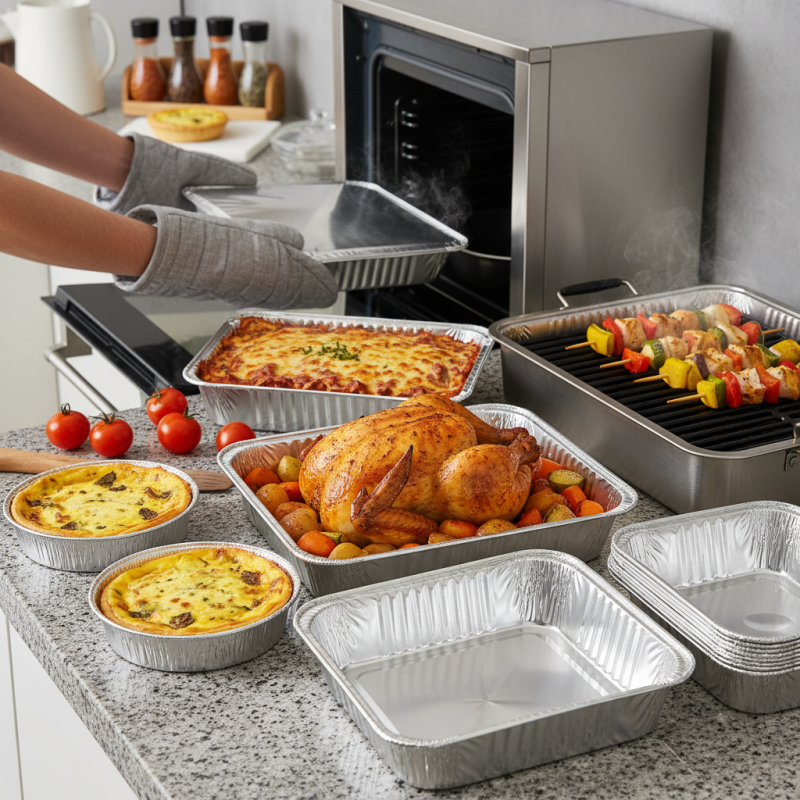
What is Aluminum Foil Tray and How to Use It Effectively?
Aluminum Foil Tray is a versatile kitchen tool many people overlook. Its unique properties make it a staple for cooking and serving. Understanding how to use an Aluminum Foil Tray effectively can elevate your culinary experience.
These trays are lightweight yet sturdy, perfect for various cooking methods. They can withstand high temperatures, making them ideal for baking and grilling. However, using them properly is crucial. Misuse can lead to food sticking or uneven cooking. Consider the size and type of the food you are preparing.
Incorporating Aluminum Foil Trays into meal prep allows for easy cleanup and organization. However, it's essential to remember that not all trays are created equal. Some may not be suitable for certain tasks or temperatures. By exploring their true potential, you can enhance your cooking efficiency and enjoy delicious meals with minimal hassle.
What is an Aluminum Foil Tray?
An aluminum foil tray is a versatile kitchen tool. It is made of thin sheets of aluminum, shaped into trays. They come in various sizes. These trays are often used for cooking, baking, and storing food. Research shows that aluminum foil can withstand high temperatures, making it ideal for oven use. According to the Aluminum Association, around 80% of the aluminum produced is recycled, highlighting its sustainability.
Using aluminum foil trays effectively requires attention to detail. They can provide even heat distribution during cooking. This feature helps ensure that food cooks evenly, improving texture and taste. However, they are not suitable for microwave use in some cases. Users must check the manufacturer's guidelines. Many people overlook this important detail and risk damaging their trays or microwaves.
Moreover, improper storage of these trays can lead to waste. Sometimes, users forget about leftover food stored in them. This leads to a loss of valuable resources. Keeping track of expiration dates can be challenging. It is important to label containers clearly to avoid confusion. By doing so, you can maximize the utility of aluminum foil trays while minimizing waste.
Usage of Aluminum Foil Trays by Category
Key Features and Benefits of Aluminum Foil Trays
Aluminum foil trays are versatile tools for cooking, serving, and storing food. They are lightweight and easy to handle. These trays come in various sizes, making them suitable for many dishes. Their shiny surface reflects heat, promoting even cooking and browning. This is especially beneficial for foods like casseroles and baked goods.
One key feature of aluminum foil trays is their heat resistance. They can withstand high temperatures, making them ideal for grilling and roasting. These trays are also convenient for baking since they eliminate the need for cleaning. However, they can sometimes warp if overloaded with heavy food. It’s essential to monitor their capacity to prevent spills.
Another benefit is their recyclability. After use, aluminum trays can be recycled, reducing environmental impact. Yet, not all recycling facilities accept them, which can be misleading. It's wise to check local recycling guidelines. Using aluminum trays also means ensuring proper sealing for storage. If not sealed well, food can dry out. This is an aspect that requires attention for effective food management.
Common Uses of Aluminum Foil Trays in Cooking and Baking
Aluminum foil trays are versatile tools in cooking and baking. They are lightweight and durable, making them ideal for various culinary tasks. Home cooks often use these trays for roasting vegetables or baking casseroles. They save cleaning time since they can be discarded after use. However, some may find that food can stick to the surface if not greased properly, so using cooking spray can be a smart practice.
Bakers appreciate aluminum foil trays for their ability to conduct heat evenly. This feature helps achieve a crispy crust on pies and bread. Many also use these trays for meal prepping. While you can freeze meals in them, care is needed to prevent cracks when thawing. Stacking them can save space, but ensure they don’t bend. Although convenient, be mindful of their limitations; they may warp under high heat.
Tips for Using Aluminum Foil Trays Effectively
Aluminum foil trays are versatile kitchen essentials. They are great for baking, roasting, and grilling. Using them can make cooking easier and cleaner. However, to get the best results, it's important to follow some effective tips.
One great tip is to avoid using aluminum foil trays in the microwave. They can cause a fire hazard. Instead, save them for the oven or grilling outdoors. When using them, make sure to line them with parchment paper or spray them with cooking oil. This prevents sticking. A common mistake is not ensuring proper ventilation. Always allow space for steam to escape while cooking.
Cleaning aluminum foil trays can be tricky. While they are often recyclable, greasy residue can make recycling difficult. Consider rinsing them after use. Don’t let them sit for too long, or the residue hardens. One last thing to remember: when stacking trays, be gentle. They can bend easily, affecting their ability to hold food. Experimenting with these tips can enhance your culinary experience.
Safe Disposal and Recycling of Aluminum Foil Trays
Aluminum foil trays are popular for cooking and serving. They are lightweight and versatile. However, their disposal often raises concerns. It's important to handle aluminum foil trays responsibly to protect the environment.
Aluminum is recyclable, but many people mistakenly throw these trays in the trash. Contamination from food can prevent recycling. Rinse the trays before disposal. Make sure they are clean and dry. Check local recycling guidelines. Some places accept them, while others do not.
If recycling isn't an option, consider reusing aluminum foil trays. Use them for organizing items or as planters. This extends their life and reduces waste. Reflect on how often we discard items that could have more uses. Every small effort counts towards a greener future.