How to Apply Automation Effectively in Your Business to Boost Productivity
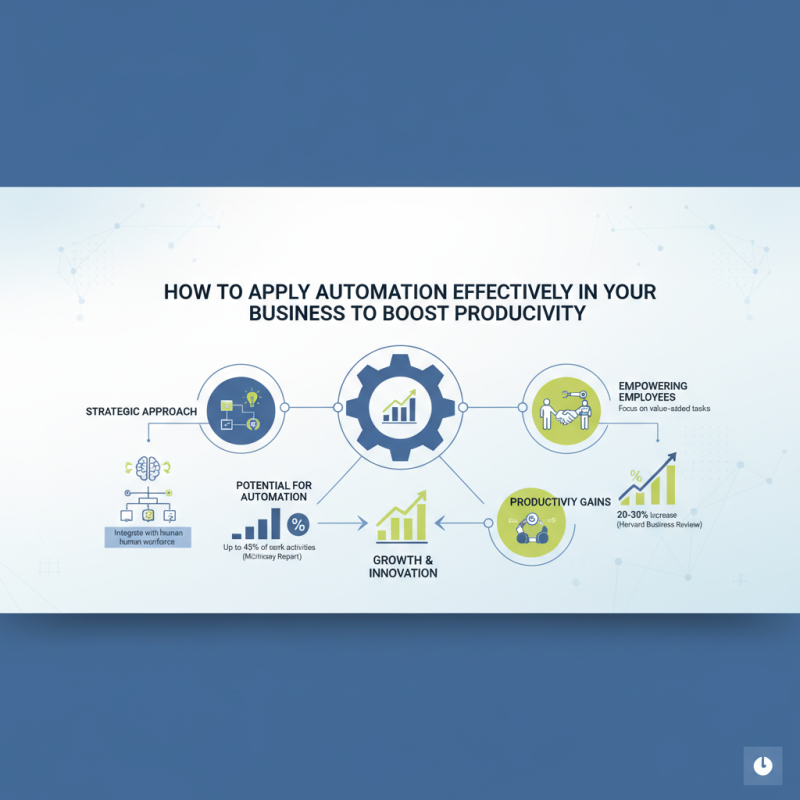
In today's fast-paced business environment, the ability to apply automation effectively has become a critical factor in enhancing productivity and maintaining competitiveness. According to a recent report by McKinsey, up to 45% of current work activities could be automated using the technologies available today, indicating a significant opportunity for businesses willing to embrace this transformation. Additionally, a study from Harvard Business Review highlights that organizations that have successfully implemented automation strategies have seen productivity increases of 20% to 30% within their operations.
Experts in the field underline the importance of a strategic approach to applying automation. John Smith, a renowned automation consultant, emphasizes, "To truly harness the power of automation, businesses must not only adopt the technology but integrate it into their processes in a way that complements their human workforce." This sentiment resonates with many leaders who recognize that automation is not just about replacing jobs but rather about empowering employees to focus on more complex, value-added tasks.
As businesses navigate the complexities of automation, understanding how to apply automation effectively will be crucial for driving growth and leveraging the potential for innovation in the workplace. By fostering a culture that embraces these technological advancements, organizations can unlock unprecedented levels of efficiency and output.
Understanding Automation and Its Benefits for Businesses
Automation has become a pivotal element in modern business practices, offering numerous advantages that can significantly enhance productivity. At its core, automation involves utilizing technology to perform tasks that would otherwise require human effort. This shift not only streamlines operations but also reduces the likelihood of errors and increases efficiency, allowing businesses to focus on strategic initiatives rather than routine tasks.
Tips: To begin implementing automation, assess areas within your operation that are repetitive and time-consuming. Automating these processes can free up valuable resources, enabling your team to concentrate on high-priority projects that drive growth. Furthermore, it is essential to choose the right tools that align with your business needs, ensuring that the automation is both effective and scalable.
Another benefit of automation is its ability to enhance data accuracy and analytics capabilities. By automating data entry and reporting processes, businesses can minimize manual errors and gain real-time insights into their operations. This empowers decision-makers with accurate information, leading to better strategic choices.
Tips: Consider integrating automation in customer relationship management (CRM) systems to streamline communications and track customer interactions effortlessly. This not only improves customer service but also enhances the overall user experience, making your business more responsive and agile in meeting client needs.
How to Apply Automation Effectively in Your Business to Boost Productivity - Understanding Automation and Its Benefits for Businesses
| Automation Tool |
Purpose |
Expected Benefits |
Estimated Cost |
Implementation Time |
| Email Marketing Automation |
Send personalized emails to customers |
Increased engagement and higher conversion rates |
$100 - $500/month |
1-2 weeks |
| Project Management Software |
Manage tasks and teams effectively |
Improved collaboration and project tracking |
$50 - $300/month |
2-4 weeks |
| Customer Relationship Management (CRM) Software |
Manage customer interactions and data |
Enhanced customer service and retention |
$30 - $500/month |
3-6 weeks |
| Social Media Management Tools |
Schedule and manage social media posts |
Increased online presence and audience engagement |
$20 - $100/month |
1-2 weeks |
| Accounting Software |
Automate invoicing and payroll processes |
Reduced errors and saving time on financial tasks |
$15 - $300/month |
2-5 weeks |
Identifying Key Areas in Your Business for Automation
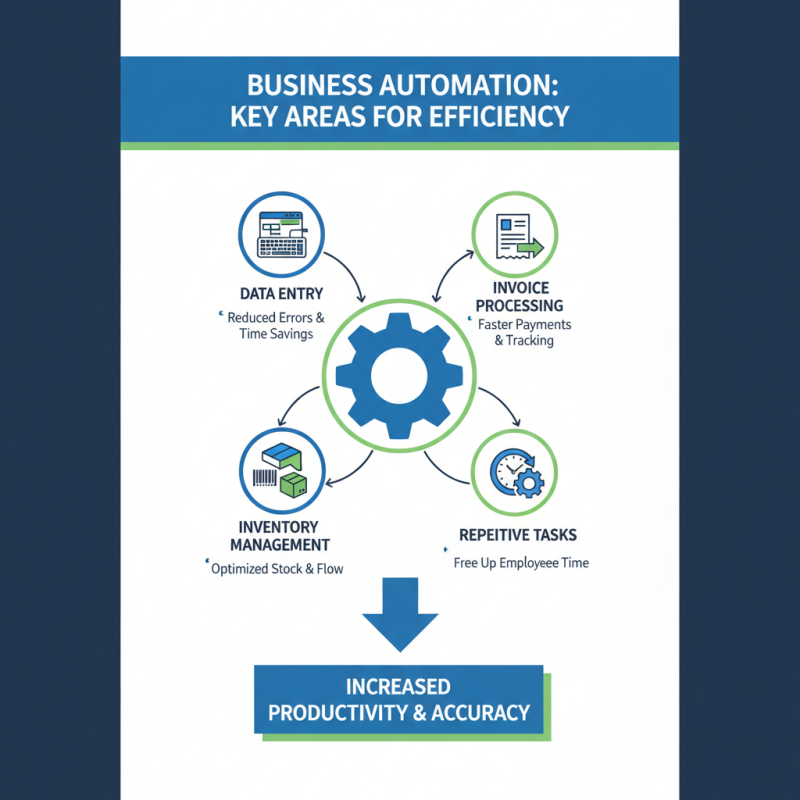
Identifying key areas for automation in your business is essential to enhance efficiency and drive productivity. One of the first steps is to evaluate repetitive tasks that consume significant time and resources. These tasks often include data entry, invoice processing, and inventory management. By automating these routine processes, you not only free up valuable employee time but also reduce the risk of human error, leading to more accurate results and consistent performance.
Another crucial area to consider for automation is customer relationship management (CRM). Implementing automated systems for tracking customer interactions, scheduling follow-ups, and personalizing communication can significantly improve customer engagement and satisfaction. Additionally, automating marketing campaigns allows for targeted messaging that can reach customers at the right time, maximizing your outreach efforts without overwhelming your team.
Lastly, consider automating administrative functions like payroll, scheduling, and compliance tracking. These areas are often fraught with complexity and require stringent adherence to regulations. By introducing automation in these functions, businesses can streamline their operations, ensure compliance with legal standards, and focus more on strategic initiatives rather than day-to-day administrative tasks. Identifying and addressing these key areas can lead to a smoother workflow and heightened overall productivity.
Choosing the Right Tools and Software for Automation
When it comes to enhancing productivity through automation, selecting the right tools and software is crucial. The abundance of options available can be overwhelming, which is why it’s essential to first identify the specific needs of your business. Consider the core processes that could benefit from automation, whether it's project management, customer relationship management, or data analysis. By pinpointing these areas, you can focus on finding tools that best align with your operations.
**Tips:** When evaluating automation tools, prioritize user-friendliness and integration capabilities. A tool that is easy to use will encourage employee adoption, while those that can seamlessly integrate with your existing systems will minimize disruption and enhance efficiency. Additionally, consider scalability; the right software should grow with your business.
Remember to also assess the ongoing support and resources provided by the software providers. Having access to training materials and responsive customer service can significantly impact how effectively your team can utilize the tools. Investing time in these considerations will not only streamline your automation efforts but also ensure lasting benefits for your productivity goals.
Automation Tools Impact on Business Productivity
Implementing Automation Strategies: A Step-by-Step Guide
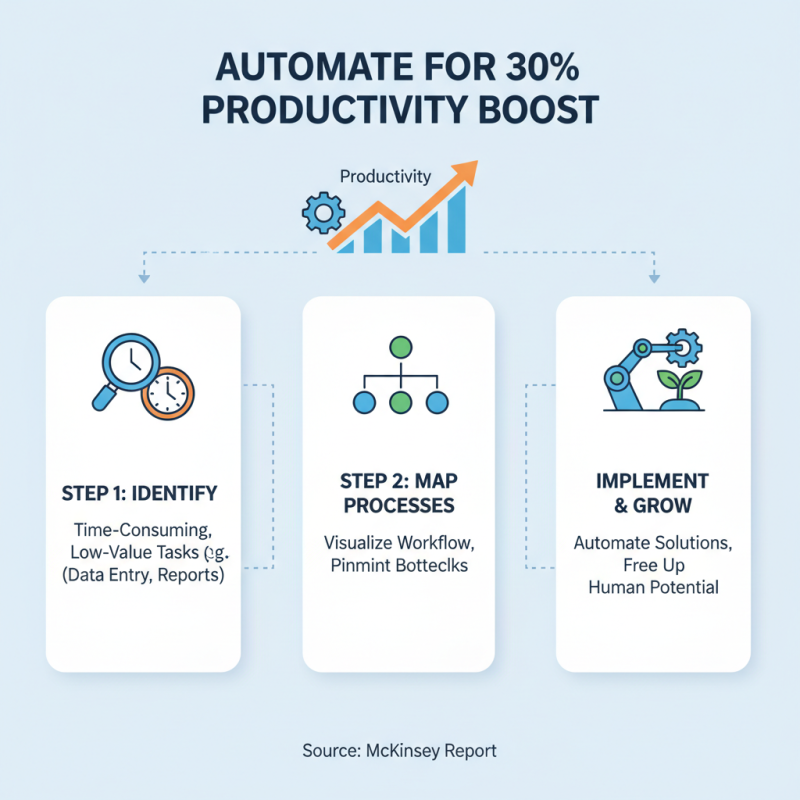
Implementing automation strategies in business requires a thoughtful, step-by-step approach to ensure significant enhancements in productivity. According to a report by McKinsey, companies that automate their processes can increase their productivity by up to 30% within a few years. To start, it's essential to identify the tasks that consume the most time but provide low value. These can range from data entry and report generation to customer service inquiries. By mapping out these processes, businesses can pinpoint specific areas where automation will be most beneficial.
The next step is selecting the right automation tools tailored to the identified tasks. According to a survey by Deloitte, 60% of organizations reported that finding the right technology solution was their biggest challenge when implementing automation. Therefore, dedicating time to research and determine the most suitable tools is crucial. After selecting the tools, it's vital to allocate resources for training employees on the new systems. Research indicates that proper training can lead to a 35% increase in user adoption rates. By systematically addressing these steps, businesses can seamlessly integrate automation, ultimately leading to enhanced efficiency and greater productivity.
Measuring and Analyzing the Impact of Automation on Productivity
Measuring and analyzing the impact of automation on productivity is crucial for businesses looking to enhance efficiency.
According to a report by McKinsey & Company, companies that effectively integrate automation can see productivity gains of 20% to 30% within the first year of implementation.
This significant shift not only accelerates workflow but also allows employees to focus on higher-value tasks, thus fostering innovation and growth within the organization.
To measure the impact of automation, businesses should employ key performance indicators (KPIs) such as output per labor hour, error rates, and turnaround times.
A survey conducted by Deloitte reveals that organizations leveraging automation reported a 21% increase in operational efficiency.
Analyzing these metrics enables companies to identify areas for improvement and optimize processes even further.
Additionally, using data analytics tools can provide deeper insights into the long-term effects of automation on productivity, guiding strategic decisions that align with business goals.
By continuously monitoring these impacts, companies can ensure that their automation strategies are delivering maximum value.