What is Audio Door Intercom and How Does It Work?
In today’s security-conscious world, the importance of an effective communication system cannot be understated. Audio Door Intercom systems have become essential for residential and commercial properties. According to John Smith, a leading expert in security technologies, “An Audio Door Intercom is not just an accessory; it’s a necessity for modern living.”
These systems allow for seamless communication between the outside and inside of a building. Users can identify visitors before granting access, enhancing safety significantly. With features like two-way audio, they facilitate direct conversations without opening the door. However, not all systems are created equal, and there are instances where users find their intercom lacking in clarity or range.
Understanding how an Audio Door Intercom works involves recognizing its core components, including a microphone, speaker, and connection to a power source. Despite advancements, some installations may be prone to technical issues. It’s essential for potential buyers to research effectively and choose brands known for reliability and performance. Reflecting on these aspects can lead to better decisions for personal and property security.
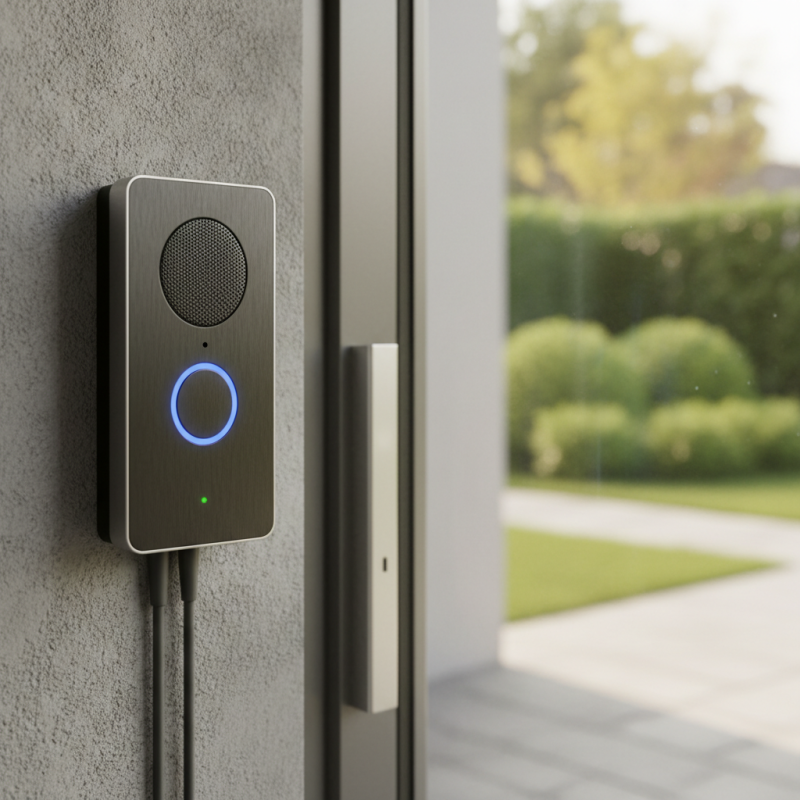
Understanding Audio Door Intercom Systems: A Comprehensive Overview
Audio door intercom systems are increasingly popular in both residential and commercial settings. These systems enhance security and convenience by allowing two-way communication with visitors. According to a recent report by MarketsandMarkets, the global intercom systems market is projected to reach USD 3.7 billion by 2025, reflecting a significant growth driven by advancements in technology and increased demand for security solutions.
At the core, audio intercoms consist of a microphone, speaker, and control unit. Users can interact with visitors at entry points without needing to be physically present. This setup is particularly useful in multi-tenant buildings and secured facilities. However, there are limitations. For instance, poor audio quality can hinder effective communication, causing frustration. Moreover, reliance solely on audio can create security gaps; without video monitoring, ensuring the identity of visitors remains a challenge.
Interesting data shows that around 40% of consumers still prioritize audio intercom systems due to their simplicity and ease of use. Yet, this reliance may overlook emerging technologies that integrate video and smart features. Users should consider how an all-audio system fits their security needs. As the industry evolves, staying informed about innovations could enhance safety measures while addressing potential weaknesses in traditional audio intercom setups.
What is Audio Door Intercom and How Does It Work?
| Feature | Description | Benefits |
| Two-way Communication | Allows both parties to speak and listen simultaneously. | Enhances communication clarity and user interaction. |
| Video Capability | Enables visual confirmation of visitors through a camera. | Improves security and helps to recognize visitors before granting access. |
| Remote Access | Intercom systems can be accessed via smartphones or tablets. | Convenience in answering the door from anywhere. |
| Intercom-to-Intercom Communication | Connects different intercom units within the property. | Facilitates internal communication without a phone. |
| Integration with Security Systems | Can be linked with alarms and other security devices. | Enhances overall safety measures in residential or commercial settings. |
Key Components of Audio Door Intercoms: What Makes Them Work?
Audio door intercoms have become essential for modern security and communication at entry points. Their key components contribute significantly to their efficiency and functionality. The main elements include the microphone, speaker, and control unit. The microphone allows clear audio transmission from the visitor, while the speaker enables a response from the resident. A control unit helps connect these components and may include buttons for unlocking doors.
Effective installation is crucial for optimal use. Positioning the intercom at eye level improves communication. This helps both the resident and the visitor interact comfortably. Avoid clutter around the device to maintain accessibility. Regular testing of the intercom system ensures its reliability.
In considering a door intercom, reflect on potential issues. Battery life can be a concern for wireless models. Monitoring the power supply will prevent unexpected failures. Also, understand that audio quality may vary based on environmental factors. High noise levels can affect clarity. Regular cleaning and maintenance are key to ensuring long-lasting performance.
Audio Door Intercom Usage Statistics
How Audio Door Intercoms Enhance Security in Residential Properties
Audio door intercoms are increasingly becoming essential for enhancing security in residential properties. These systems allow homeowners to communicate with visitors before granting access. According to a report by the Security Industry Association, homes equipped with intercom systems report a 30% reduction in unauthorized entries. Clear, two-way audio communication adds a layer of control, enabling residents to screen visitors without opening the door.
Additionally, the convenience of audio door intercoms cannot be overlooked. Many models allow homeowners to integrate with smartphones and tablets. This feature ensures that security functions are always within reach, even when residents are away. A survey conducted by the National Home Security Association found that 65% of homeowners feel safer using these systems. However, it's important to recognize that these devices are not infallible. They can be susceptible to technology failures and hacking if not adequately protected.
Despite their advantages, some residents may hesitate to adopt this technology. Installation costs can be perceived as high, and complex systems may deter users. Yet, the long-term benefits, including reduced theft and improved peace of mind, often outweigh initial concerns. Homeowners must weigh the trade-offs and consider how much they value enhanced security over potential challenges.
Comparative Analysis: Wired vs. Wireless Audio Door Intercom Systems
When choosing an audio door intercom system, it's crucial to weigh the options: wired versus wireless. Wired systems have been around for decades. They deliver reliable performance and high-quality sound. But installation can be challenging. Running wires through walls may require professional help. This could add to costs and time. Despite these drawbacks, wired systems often excel in sound clarity and stability.
On the other hand, wireless audio door intercoms offer flexibility. They are easier to install, often requiring only a power source. This appeal to DIY enthusiasts and those seeking quick solutions cannot be overstated. However, wireless systems can encounter interference. Range issues may arise in densely populated areas. This can affect sound quality and connection reliability. Notably, users may find that environmental factors impact performance.
In both systems, maintenance is key. Wired systems need periodic checks to ensure the wiring remains intact. Wireless units may require battery replacements. Ultimately, choosing the right system depends on personal needs and specific circumstances. Each type has its pros and cons, but the decision will ultimately shape your home security experience.
The Future of Audio Door Intercom Technology: Trends and Innovations
Recent advancements in audio door intercom technology are reshaping how we communicate at entry points. Enhanced sound quality and clarity are now a standard feature, offering users a more reliable experience. Many systems now utilize two-way communication, allowing for better interaction with visitors. This can be especially important in residential and commercial buildings where security is a priority.
Innovations in wireless technology are pushing boundaries further. Wireless intercoms enable easier installation and greater flexibility in home design. Smart integration is also on the rise, with features that connect to smartphones or home automation systems. Users appreciate the convenience of interacting with their intercom remotely. However, this technology raises questions about security and data privacy. As more devices connect to the internet, potential vulnerabilities may emerge.
The future is bright for audio door intercoms, but not without challenges. Consumers need to weigh the benefits of connected technologies against the risks. Manufacturers must prioritize security measures to protect user data. Overall, this balance between innovation and safety will determine how these systems evolve. Adaptation is essential in this ever-changing landscape, and continuous improvement remains a key focus.