Top Ways to Automate the Automation for Increased Efficiency?
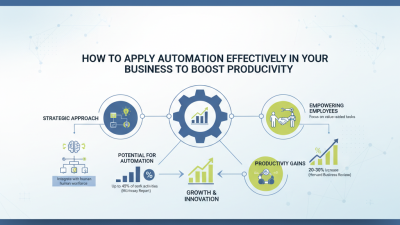
In today's fast-paced business environment, organizations are increasingly turning to automation. Recent studies by McKinsey reveal that automation can boost productivity by up to 30%. This highlights the potential for businesses to streamline processes and reduce manual efforts. However, the true challenge lies in the ability to "automate the automation."
Many companies implement automation but overlook how to enhance it further. According to a report by Forrester, only 25% of organizations fully leverage their automation tools. This gap indicates a significant potential for improvement. By creating systems that optimize existing automated processes, businesses can achieve greater efficiency and adaptability.
Clear case studies demonstrate this concept. A manufacturer increased production speed by 40% by enabling machine learning to fine-tune its automated systems. Yet, many firms face difficulties in integrating these technologies seamlessly. Reflecting on these challenges is essential for future growth. Embracing the idea to "automate the automation" can lead to a profound transformation in operational efficiency.

Understanding the Basics of Automation in Business Processes
Automation in business processes is transforming how organizations operate. Understanding the basics is crucial for leveraging its potential. At its core, automation is about using technology to perform tasks that were once manual. This eliminates errors and streamlines workflows. Businesses see improved efficiency and productivity.
Consider data entry tasks. Manual entries often lead to mistakes and wasted time. By automating this process, companies can ensure accuracy and free employees for higher-value tasks. However, not all processes are suitable for automation. Some tasks require human insight and creativity. It’s important to evaluate which processes will benefit most.
Communication is another area ripe for automation. Tools can schedule meetings and send reminders. Yet, some teams may feel disconnected. Relying too heavily on automation may reduce personal interactions. Balancing technology and human touch is essential. Each business must find its unique blend to maximize efficiency without losing the personal connection.
Identifying Areas for Automation to Boost Efficiency
Identifying areas for automation is crucial for enhancing operational efficiency. According to a study by McKinsey, companies that effectively automate can see productivity gains of 20-30%. However, many businesses struggle to pinpoint where automation can be most impactful. This often results in wasted resources and missed opportunities for improvement.
One key area for automation lies in repetitive tasks. These include data entry, invoice processing, and customer inquiries. Automating these processes can save countless hours and reduce human error. A report from Deloitte indicates that automating repetitive tasks can lead to a 40% reduction in operational costs. Despite these numbers, some organizations hesitate. They fear disruptions during implementation and worry about the reliability of automated systems.
Another vital area is data analysis. Many teams spend significant time on manual reporting. By automating data analysis, businesses can make faster, informed decisions. Yet, skepticism remains. Teams often worry that automated insights lack the human touch. Balancing automation and human oversight is essential. Finding the right blend can lead to significant efficiency boosts.
Integrating Automation Tools for Seamless Workflow
Integrating automation tools into daily workflows can drastically enhance efficiency. Recent studies revealed that companies using automation report a 30% increase in productivity. This integration allows teams to focus on strategic tasks rather than repetitive, manual labor. However, automation can be overwhelming. Many organizations struggle to choose the right tools or fail to connect existing ones effectively.
Seamless workflow is crucial. Ninety-two percent of organizations believe that integrating tools is essential for operational success. Yet, barriers remain. Miscommunication often arises when teams do not align on automation goals. Some tools lack compatibility, leading to data silos. This results in wasted time and effort. In navigating these challenges, organizations must consider their unique needs.
Appropriate training is also vital. An estimated 50% of employees feel unprepared to utilize automation tools effectively. Providing comprehensive training can bridge this gap. Nevertheless, some staff may resist these changes, fearing job loss or increased complexity. Building a supportive culture around automation can ease these concerns and encourage collaboration. Working towards an integrated approach is essential, but it requires ongoing reflection and adjustment.
Measuring the Impact of Automation on Productivity
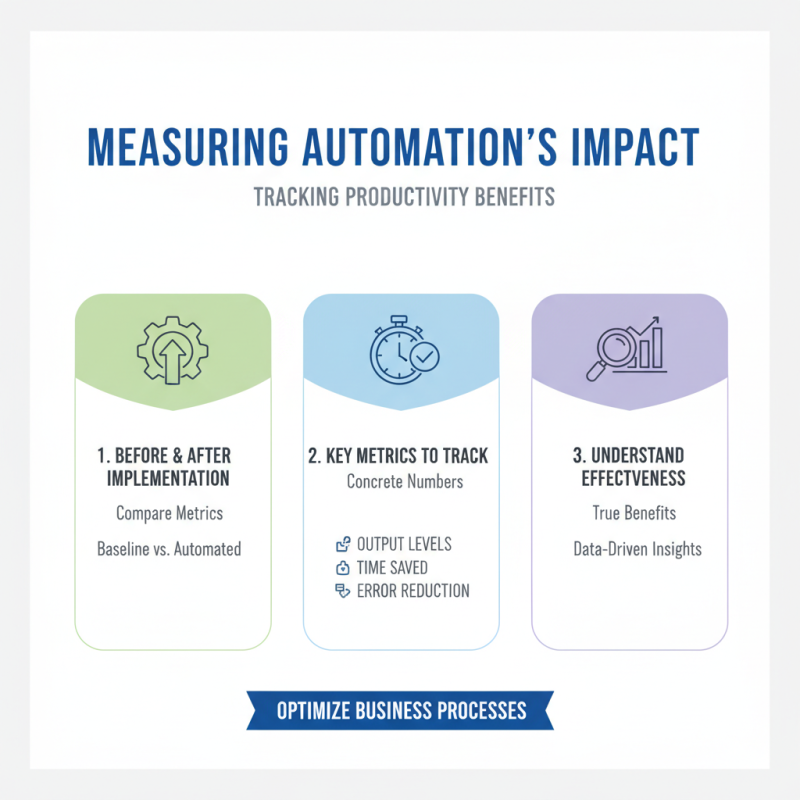
Measuring the impact of automation on productivity can be challenging for many organizations. As businesses increasingly rely on automation tools, understanding their effectiveness becomes vital. One key method is to track productivity metrics before and after implementation. This could be output levels, time saved, or error reduction. Concrete numbers provide insight into automation's true benefits.
However, some organizations overlook the human aspect. Employee morale can fluctuate when facing new technologies. Resistance to change may slow down the adaptation process. Regular feedback from team members can help identify concerns. This allows for adjustments in automation strategies that may lead to increased buy-in and a smoother transition.
In some cases, automation efforts might not yield expected gains. Over-automation can lead to a detached workflow. Employees may feel they have fewer responsibilities, which could affect engagement. Balancing automation and human touch is crucial. The integration should empower the workforce, not replace it. Effective measurement should include both quantitative and qualitative data. This holistic view helps organizations refine their approaches continually.
Continuous Improvement: Adapting Automation Strategies for Growth
Automation is transforming industries, but it requires constant refinement. Adapting automation strategies means being open to change. Companies should regularly assess their processes. This includes measuring efficiency and identifying bottlenecks. It’s important to engage teams in this evaluation. Employees often have insights that data may overlook.
Another key aspect is embracing new technologies. Automation tools evolve rapidly, and keeping pace is crucial. Experimenting with different solutions can lead to unexpected improvements. However, not every tool will suit every environment. Being flexible and willing to explore various options is essential for growth. Testing small-scale changes before full implementation helps mitigate risks.
Reflection is a necessary part of this journey. An organization needs to recognize that automation isn't a one-time fix. It’s a continuous process. Sometimes results may not meet expectations, and that’s okay. Learning from these setbacks paves the way for future success. Building an adaptable culture around automation ensures that businesses can thrive in a changing landscape.