Top Benefits of WPC Wall Panels for Global Buyers?
WPC Wall Panels have become a preferred choice for global buyers seeking innovative building solutions. The global market for WPC (Wood Plastic Composite) is projected to reach USD 9.06 billion by 2027, with a CAGR of 11.1% from 2020 to 2027, according to a recent report by Fortune Business Insights. This surge highlights the growing demand in construction and interior design.
WPC Wall Panels offer a blend of aesthetic appeal and practical benefits. They are lightweight, moisture-resistant, and provide excellent insulation compared to traditional materials. Furthermore, they are low maintenance and highly durable, which appeals to both commercial and residential sectors. Industry experts note that these panels can last up to 25 years, reducing the need for frequent replacements.
Despite their advantages, adoption rates vary in different regions. Some buyers express concerns regarding initial costs and installation processes. Continuous education on the benefits of WPC Wall Panels is essential for market growth. Addressing these points can enhance confidence and understanding among potential users. The evolving landscape of building materials calls for adaptive solutions like WPC Wall Panels.
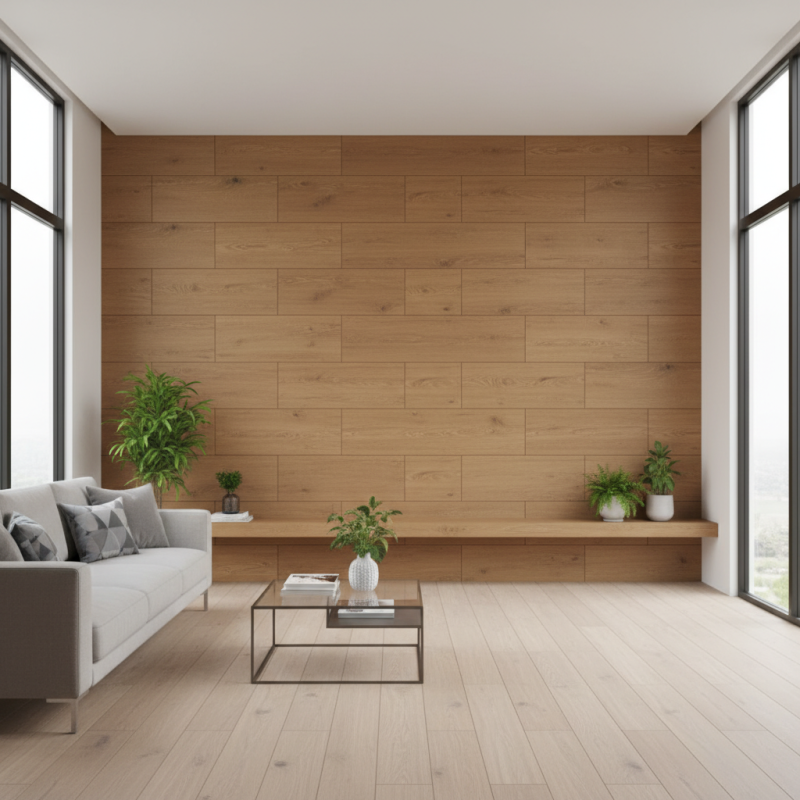
Overview of WPC Wall Panels and Their Composition
WPC wall panels, made from wood plastic composites, combine natural wood fibers and plastic. This unique composition offers both durability and aesthetic appeal. The wood fibers provide a genuine look, while the plastic ensures weather resistance.
These panels are relatively lightweight, making installation easier. They can be used in various settings, including residential and commercial spaces. However, the balance between beauty and practicality can sometimes be challenging. Buyers must carefully consider their specific needs and the environmental impact of their choices.
WPC panels are resistant to mold and insects due to their synthetic materials. Yet, their performance can vary across different climates. Some may find issues with fading or color retention over time. Understanding how to maintain these panels is critical for long-term satisfaction.
Environmental Benefits of Using WPC Wall Panels
WPC wall panels have gained traction for their environmental benefits. Made from recycled wood and plastic, these panels contribute to waste reduction. According to a study by Smith & Associates in 2022, using WPC materials can reduce carbon emissions by up to 20% compared to traditional materials. This decrease is significant in combating climate change.
One key benefit is that WPC panels are often produced with less energy. The manufacturing process involves lower temperatures than standard wood products. A report from the Environmental Building News shows that energy savings can be as high as 30% during production. Additionally, WPC is recyclable, ensuring a longer lifecycle and less environmental impact when disposed of.
Tip: Choose WPC panels with certifications. Look for eco-labels that verify sustainable practices. This choice guarantees that you support environmentally friendly initiatives.
WPC's durability means less frequent replacements. This longevity reduces the need for new materials and the waste generated during construction. However, not all WPC products are created equal. Some may contain harmful additives that could negate environmental benefits. Always research the materials used in your panels for a truly green choice.
Top Benefits of WPC Wall Panels for Global Buyers - Environmental Benefits of Using WPC Wall Panels
| Benefit Category | Description | Environmental Impact | Sustainability Score (1-10) |
| Recyclability | WPC panels can be recycled at the end of their life cycle. | Reduces waste in landfills. | 9 |
| Low Emissions | Produces fewer harmful emissions during manufacturing. | Decreases air pollution compared to traditional materials. | 8 |
| Sourcing of Materials | Made from recycled wood and plastic, reducing resource consumption. | Minimizes deforestation and plastic waste. | 9 |
| Durability | Highly durable and resistant to weather effects, reducing replacement needs. | Lowers resource use over time. | 7 |
| Energy Efficiency | Insulating properties reduce energy costs for heating/cooling. | Decreases overall energy consumption in buildings. | 8 |
Durability and Maintenance Advantages of WPC Wall Panels
WPC wall panels offer impressive durability that makes them a smart choice for global buyers. These panels combine wood fibers and plastic, creating a material resistant to moisture and pests. This quality extends the lifespan of installations, reducing the need for frequent replacements. Unlike traditional wooden panels, WPC panels do not warp or splinter easily, which enhances their appeal.
Maintenance is another significant advantage of WPC wall panels. They are easy to clean with just soap and water. This simplicity helps maintain a fresh appearance over time. However, some users might overlook the need for regular inspections to prevent buildup. A simple oversight can lead to minor issues that escalate without proper care. Understanding the balance between durability and required upkeep is essential for maximizing the efficiency of WPC panels.
While many praise WPC for its strength, some reality checks are necessary. Not everyone may be familiar with their long-term performance. Buyers should seek information from multiple sources about their resilience in specific climates. This knowledge can help avoid imprudent choices. Overall, WPC wall panels provide an excellent blend of durability with manageable maintenance, appealing to a broad spectrum of buyers.
Aesthetic Versatility of WPC Wall Panels in Modern Interiors
WPC wall panels offer remarkable aesthetic versatility in modern interiors. These panels combine wood and plastic, creating durable and attractive surfaces. They can mimic various textures, such as natural wood or stone. This makes them appealing for diverse design styles, from rustic to contemporary.
Incorporating WPC panels can transform a space. Imagine a living room where clean lines merge with warm tones. The options are endless. Users can choose different colors and finishes to match their vision. This flexibility helps reflect personal style and enhances the overall mood of a room. However, it’s essential to consider the installation process. Improper fitting can detract from their visual appeal.
Moreover, while WPC panels are low maintenance, prolonged exposure to sunlight can lead to fading. It’s vital to periodically assess their condition. Homeowners should remain attentive to potential wear over time. Such reflections can help maintain the beauty of the chosen design. Ultimately, these panels present an opportunity to blend functionality with creative expression.
Cost-Effectiveness of WPC Wall Panels for Global Buyers
WPC wall panels offer significant cost-effectiveness for global buyers. In recent studies, the building and construction industry reported fluctuating material costs, making budget-friendly alternatives crucial. WPC, or Wood Plastic Composite, presents a viable solution. Research shows that WPC panels can reduce overall project expenses by up to 30% compared to traditional wood or drywall.
Installation costs are also lower. Many WPC panels are designed for easy installation, saving on labor expenses. A survey by the International Journal of Construction Management found that labor costs could be reduced by nearly 25% with WPC panels due to their lightweight nature and easy handling. Such savings appeal to both small contractors and large construction firms alike.
While WPC wall panels have numerous benefits, potential buyers should note that not all WPC products are created equal. Variability in performance and durability exists across different brands. Conducting thorough research before purchase is vital; understanding specifications and durability ratings can help in making informed choices. Emphasizing careful selection can lead to greater long-term savings and satisfaction with the finished project.
Top Benefits of WPC Wall Panels for Global Buyers