Best 3D Printing Materials to Use in 2026?
As 3D printing continues to evolve, the materials we use play a crucial role in its advancement. In 2026, we anticipate new developments in 3d Printing Materials that will expand possibilities beyond our current understanding. The right materials not only affect the strength and durability of printed objects but also influence the overall quality and cost-effectiveness of projects.
Exploring various 3D printing materials can reveal unexpected challenges. For instance, some may lack flexibility or strength. Others may present issues like warping or layer adhesion. Understanding these limitations is vital for making informed choices. The landscape is always changing, so keeping up with trends is essential.
In summary, the future of 3D printing materials holds promise and challenges. We must remain aware of our options and strive for improvement. By focusing on the right materials, we can unlock innovative solutions that will shape the future of design and manufacturing.
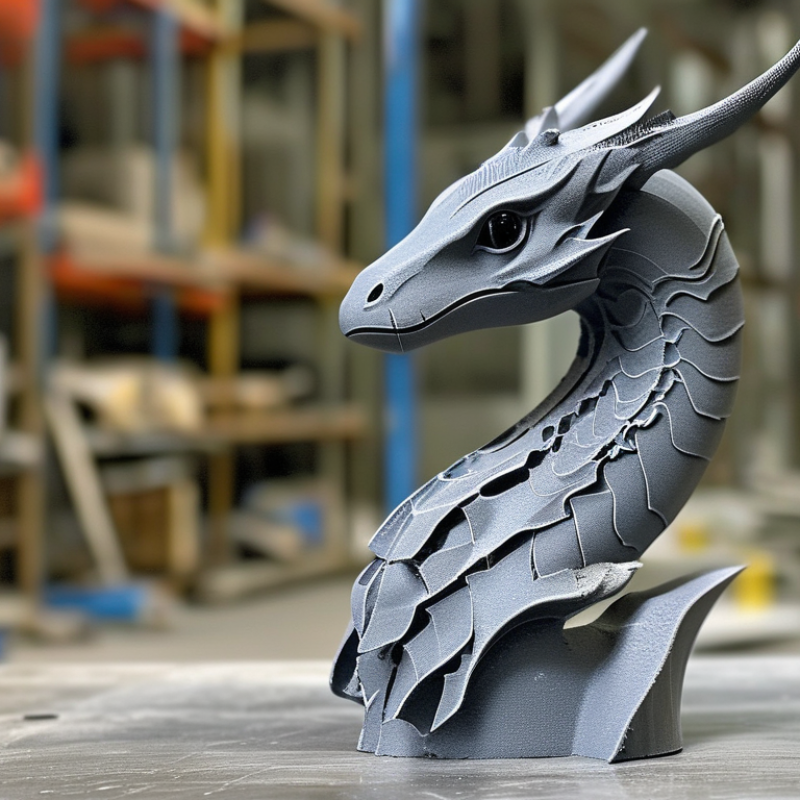
Top 3D Printing Materials Anticipated for 2026
As we look ahead to 2026, certain materials are expected to shape the future of 3D printing. One notable contender is bio-based filaments. These materials, derived from renewable resources, are eco-friendly and can reduce environmental impact. Their versatility could appeal to industries aiming for sustainable production.
Another promising material on the horizon is metal-infused filaments. These composites offer enhanced durability and superior heat resistance. They are expected to gain traction in sectors like aerospace and automotive, where strength and precision are crucial.
When choosing materials, consider the intended application. For complex designs, ensure the material can handle intricate details. Experimenting with hybrid materials might also yield exciting results. Don't hesitate to mix and match to find the best fit for your projects. Reflect on the possibilities; the right material can significantly influence the quality and functionality of your prints.
Innovative Developments in 3D Printing Materials
The landscape of 3D printing materials is evolving rapidly. Innovations drive new options, enhancing performance and versatility. Recent advancements include bio-based materials. These eco-friendly alternatives aim to reduce environmental impacts. They appeal to both consumers and industries focused on sustainability.
Another exciting area is the development of composite materials. These blends, combining plastics with fibers or metals, provide superior strength and thermal resistance. Designers can create complex structures without compromising durability. Yet, the processes to refine these materials remain a challenge. Achieving the perfect balance can be difficult. It requires experienced trial and error.
Additionally, we see improvements in filament types. Flexible filaments are becoming more mainstream. They allow for printing items that require bending and moving. However, the flexibility sometimes limits print precision. Users must adapt their techniques accordingly. Each innovation brings new possibilities but also new questions to consider. The future of 3D printing materials is bright, but it demands continual exploration and adaptation.
Sustainable Materials for 3D Printing in 2026
Amid evolving technologies, sustainability remains crucial in 3D printing materials. In 2026, researchers anticipate a significant shift towards eco-friendly options. For instance, bioplastics derived from corn starch or sugarcane are becoming more popular. Industry reports indicate that the demand for sustainable materials will rise by nearly 25% over the next few years.
Some popular choices include recycled filament and bio-based polymers. These materials can reduce environmental impact significantly. However, challenges persist. For example, the performance of recycled materials might not always match that of traditional plastics. In 2025, nearly 30% of users reported issues with print quality when switching to sustainable options. Balancing sustainability with performance is a key focus for manufacturers.
In addition to material development, improving the recycling process is essential. Current recycling methods can be inefficient, leading to waste. Studies show that enhancing these processes could potentially increase material recovery by up to 40%. As the industry moves forward, collaboration between material scientists and manufacturers will be vital. This partnership could define the future landscape of sustainable 3D printing.
Comparative Analysis of Material Properties for 3D Printing
When exploring the best 3D printing materials for 2026, a comparative analysis of material properties becomes vital. Materials play a crucial role in determining the durability, flexibility, and application of 3D printed objects. For instance, PLA is known for its ease of use and biodegradability. However, it lacks the strength and heat resistance found in other materials. In contrast, ABS offers greater resilience, but can warp during printing, making it challenging for beginners.
Understanding the specific needs of your project can help you choose the right material. Consider factors such as strength, flexibility, and temperature resistance. Some materials, like TPU, provide excellent elasticity, ideal for items that must endure bending or stretching. Yet, TPU can be difficult to print due to its high elasticity. Reflecting on these trade-offs is essential.
It’s beneficial to stay informed about emerging materials. New composites may offer better performance, combining the best attributes of various substances. Experimenting with different materials can lead to surprising results. However, be prepared for a trial-and-error process. Each material has unique characteristics that will affect your print quality. Exploring multiple options ensures optimized outcomes for your desired application.
Future Trends in 3D Printing Material Applications
The future of 3D printing materials is evolving rapidly. In 2026, a variety of innovative materials will emerge. Biocompatible materials will see increased use, especially in medical applications. These materials are crucial for creating implants that integrate seamlessly with the human body. The focus on sustainability will also drive the use of biodegradable filaments. This aligns with global efforts to reduce plastic waste.
Metal 3D printing will advance significantly, allowing for more complex designs. These materials will see applications in aerospace and automotive sectors. The demand for lightweight yet strong components will rise. Additionally, composites combining multiple materials may become mainstream. These composites can offer unique mechanical properties not found in traditional materials. Challenges remain in achieving consistent quality and performance. Continuous research is essential to address these issues.
Developing new materials requires collaboration between scientists and engineers. Experimentation will unveil promising options, yet results may vary. Data from testing will guide future innovations. The path to 2026 will not be smooth, and some trials may fail. It's important to learn from these setbacks. A culture of reflection will foster resilience and creativity in material development.
Best 3D Printing Materials to Use in 2026