What Is the Best Cantilever Rack for 2026?
Choosing the best Cantilever Rack for 2026 starts with the material, not the catalog photo. Long steel tubes, timber boards, and irregular panels place different demands on arms, columns, and bases. A rack that looks sturdy may still be poorly matched to your actual load. That detail is easy to overlook.
This guide compares the factors that matter in daily use: rated capacity, arm length, column height, adjustability, finish, and available floor space. It also explains why load weight alone is not enough. Length, balance, storage orientation, and the way products are handled can affect a safe configuration. Always verify capacity with the manufacturer’s specifications, and involve a qualified storage-system professional when loads or site conditions are uncertain. Small differences matter.
The best option is not automatically the largest or most expensive. It should fit the products you store now, allow for realistic growth, and support clear picking and inspection routines. Indoor warehouses may prioritize flexibility, while outdoor sites may need finishes suited to weather exposure. No rack is perfect. A useful comparison should make trade-offs visible, including details that are easy to miss, such as forklift clearance and future layout changes. The right choice depends on your inventory, building, and operating habits—not a headline claim.
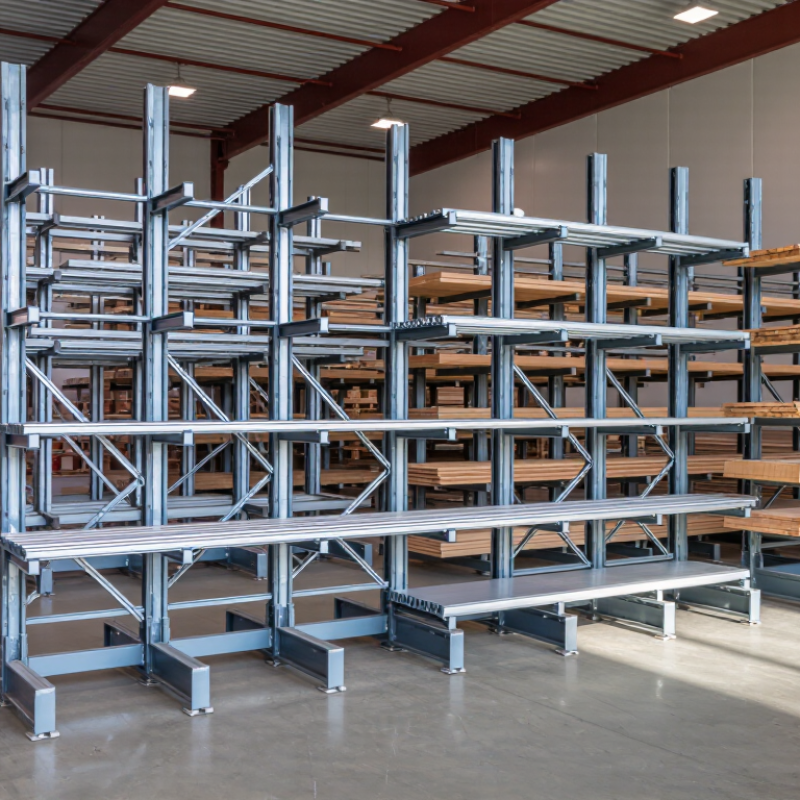
What Materials and Load Profiles Suit Cantilever Racks Best?
What Is the Best Cantilever Rack for 2026?
What Materials and Load Profiles Suit Cantilever Racks Best?
Cantilever racks work well for long, bulky materials that lack a stable base for ordinary shelving. Steel arms commonly support lumber, metal tubing, plastic pipe, and sheet goods. The right setup depends on each load’s weight, length, and shape. A bundle of pipes may spread its weight across several arms, while a heavy panel can concentrate pressure in fewer places. Long stock needs room. Measure the material and check how it will be handled before choosing arm spacing and rack height.
Load profile matters as much as material. Confirm the capacity of each arm and the full upright, then account for how loads are distributed. Uneven bundles can shift, and overhanging stock may need extra support. Outdoor storage also calls for attention to moisture and corrosion protection. In practice, small site details are easy to miss; even forklift turning space can affect safe access.
Tips: Record the heaviest and longest items, not just typical stock. Keep loads centered on the arms, and avoid exceeding rated capacities. If sizes vary, adjustable arms can help, but inspect the rack after changes. A little extra clearance often saves awkward handling later.
How ANSI MH16.3-2021 Guides Cantilever Rack Design and Testing
ANSI MH16.3-2021 provides a technical framework for designing, testing, and using industrial steel cantilever racks. It helps engineers assess how rack components work together under specified loading conditions. The standard is not a shortcut to choosing a rack by height or appearance.
Design review should account for arm length, load position, column spacing, bracing, base plates, and anchorage. A long steel bundle placed near an arm’s tip creates different demands than evenly distributed stock. Floor conditions and the planned loading pattern matter, too. Small details matter.
Testing can help confirm how a rack assembly performs under defined conditions, but test results do not automatically describe every installation. A real facility may have different loads, clearances, or handling practices. Even a neat drawing can miss how operators actually place materials. That deserves a second look.
For a 2026 purchase, ask for documented capacity information tied to the proposed configuration, not a generic rating. Have a qualified rack engineer review the layout and site conditions against ANSI MH16.3-2021. The best design is the one whose assumptions match daily use, even when those assumptions need revisiting.
How to Match Arm, Column, and Base Ratings to Your Load
The best cantilever rack for 2026 is the one rated for your real load, not just its advertised weight. Record each item’s weight, length, and shape. Note where its center of gravity sits on the arms. A long steel tube may weigh less than a compact bundle, yet extend much farther beyond the supports. Small details matter.
Check arm capacity at the load center specified in the rack documentation. Confirm whether the rating applies to one arm or a pair; never assume. Column capacity must account for the combined loads across every level and the rack’s intended loading pattern. Then check the base and anchors for the same configuration. A strong arm cannot compensate for an undersized column or unstable base. It sounds obvious. It is easy to miss.
Leave room for imperfect data. A load sheet may list “about 400 pounds,” while actual bundles vary, so verify representative loads before selecting ratings. Keep heavier items closer to the column, and avoid concentrated loads unless the rack is rated for them. Check floor condition and anchoring requirements with qualified personnel. After installation, inspect for bent arms, loose connections, or shifted loads, especially after forklift contact. A rack rating only helps when the installed system and loading practice match its documented limits.
Which Layout Fits Best: Single-Sided, Double-Sided, or Mobile?
Single-sided cantilever racks work well along a wall, leaving the opposite side open for travel. They suit long boards, pipe, or trim when one-sided picking is enough. Double-sided rows place arms back-to-back and serve both faces from a central aisle. That can use floor area efficiently, but only if forklifts can turn and loads clear nearby rows. Mobile racks move on floor rails and open one access aisle at a time. They can improve storage density, yet retrieval may slow when several workers need different bays. Space is expensive. Access matters, too.
The Materials Handling Industry’s 2024 Annual Industry Report found that 55% of respondents planned to increase investment in supply-chain technology and innovation. That signals interest in adaptable operations, not proof that mobile racks suit every warehouse. Compare SKU variety, picking frequency, load weight, floor capacity, and equipment turning radius before choosing. Measure actual stock, not just the longest item on paper. A clean layout drawing can still miss a forklift’s awkward turn. That assumption deserves a check. If access is frequent, a fixed double-sided layout may be more practical; if floor area is tight and retrieval can be scheduled, mobile storage may earn its complexity.
What Is the Best Cantilever Rack for 2026?
Which layout fits best: single-sided, double-sided, or mobile?
How to read this: The chart compares typical layout configurations, not load capacity or a guaranteed space-saving percentage. Single-sided rows provide access from one face; double-sided rows provide access from both faces, typically with an aisle on each side. A mobile layout keeps one shared aisle open at a time. Choose based on your available floor space, access needs, and handling equipment.
How OSHA 29 CFR 1910.176(b) Shapes Safe Storage Practices
What Is the Best Cantilever Rack for 2026?
How OSHA 29 CFR 1910.176(b) Shapes Safe Storage Practices
The best cantilever rack is not simply the one with the greatest capacity. It must suit the actual load: long steel bundles, timber, or pipes with uneven ends. OSHA 29 CFR 1910.176(b) requires stored materials to be stable and secure against sliding or collapse. The rule does not specify one rack design. It does set a clear expectation for safe storage. Arms, columns, bracing, and anchors should match the load and the way workers retrieve it. A bundle that overhangs an arm can shift when a forklift lifts one end. That matters.
The U.S. Bureau of Labor Statistics counted 930 fatal work injuries in transportation and warehousing in 2023, underscoring the need to control workplace hazards. This figure covers the wider sector, not rack incidents alone.
For a practical check, inspect each arm for deformation, confirm rated capacities are visible, and keep loads centered and restrained. Check the floor and anchors, too; a sound rack on a weak slab is still a concern. Keep aisles clear so operators can approach loads without striking uprights.
I would not treat a neat-looking rack as proof of safe storage. Damage can hide behind a tightly packed bundle, and inspections can miss it. Refer to the BLS Census of Fatal Occupational Injuries and OSHA’s materials-handling standard when setting site procedures.