Skip to content

How to Choose the Best CNG Bus Spark Plugs in 2026

Choosing the right Cng Bus Spark Plugs in 2026 is not a small parts decision. A mismatched plug can contribute to misfires, rough idling, hard starts, or avoidable maintenance. The U.S. Department of Energy’s Alternative Fuels Data Center explains that natural gas engines use spark ignition and store fuel onboard at high pressure. That operating context makes correct fitment and dependable ignition especially important. Small details matter.

A useful selection starts with the engine maker’s specifications: thread size, reach, heat range, electrode design, and gap. Then compare approved materials and service-life guidance against the bus’s duty cycle. A vehicle crawling through city stops faces a different workload from one running steady highway routes. NREL’s transit-bus evaluation work considers operating performance and maintenance alongside fuel use, a helpful reminder that parts should be judged in fleet conditions—not by catalog claims alone. Check the exact engine model and confirm recommendations with its service documentation.

There is no universal winner. A premium electrode may last longer, but only when it is approved for that engine and operating profile. That sounds simple. It isn’t. Fleet records can reveal recurring misfires or shortened replacement intervals, yet records may be incomplete; that uncertainty deserves attention. This guide explains how to weigh compatibility, durability, cost, and maintenance evidence when choosing Cng Bus Spark Plugs. Shortlisted plugs should match manufacturer requirements, with results verified through inspection and real service data.
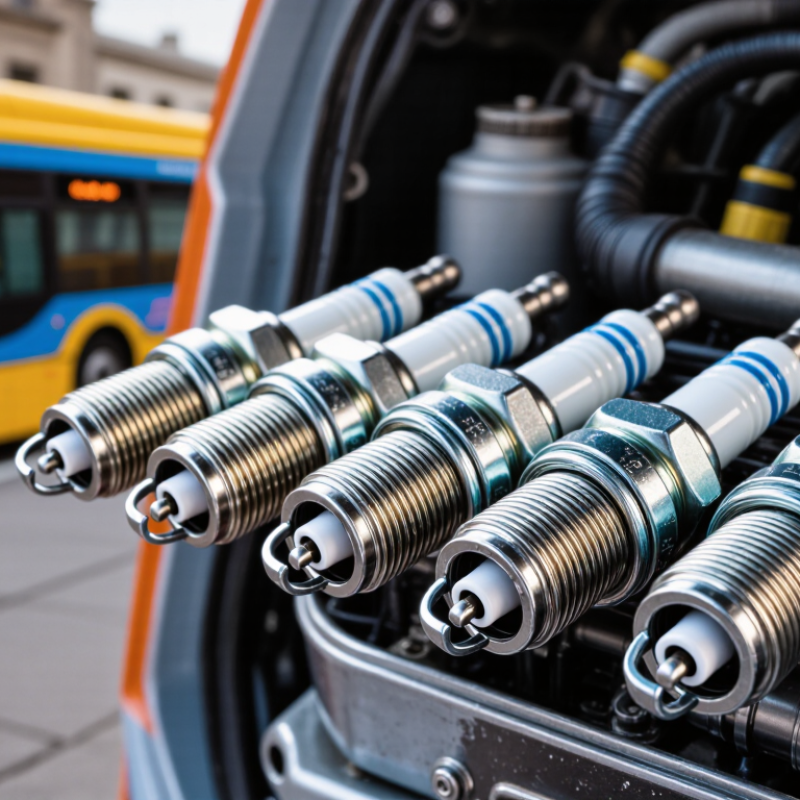
How to Choose the Best CNG Bus Spark Plugs in 2026

Understanding CNG Bus Spark Plugs and Their Operating Requirements

A CNG bus uses a spark-ignition engine, but its plugs work under demanding, repeated cycles. The U.S. Department of Energy’s Alternative Fuels Data Center reports natural gas octane ratings typically around 120–130. That figure describes knock resistance, not the correct plug heat range or gap. Do not choose a plug by octane alone. The engine maker’s service specification remains the starting point.

CNG is stored onboard at roughly 3,000–3,600 psi, according to the same DOE resource. That tank pressure is not cylinder pressure, but it highlights the bus’s specialized fuel system. Inside the running engine, cylinder pressure, mixture strength, temperature, and electrode wear all affect spark formation. A worn electrode or an oversized gap can demand more ignition voltage, especially under load. Small details matter. Check the specified gap, heat range, and replacement interval, then inspect removed plugs for uneven deposits or erosion. A pale insulator may be normal in some conditions; it is not a diagnosis by itself. I would avoid treating any single plug color as proof of a fault. Tie inspection findings to misfire data, operating history, and the engine’s manual.

How to Choose the Best CNG Bus Spark Plugs in 2026 — Understanding CNG Bus Spark Plugs and Their Operating Requirements

What this means: CNG is primarily methane, whose flammable range in air is approximately 5–15% by volume. These fuel properties help explain why reliable ignition matters, but they do not determine spark-plug gap or heat range. For a CNG bus, select plugs and set the gap according to the engine manufacturer’s specifications.

Approximate flammability limits in air: methane, 5–15% by volume; gasoline vapor, 1.4–7.6% by volume. Gasoline-vapor limits vary with fuel composition and test conditions. Reference: NIOSH Pocket Guide to Chemical Hazards.

Identifying the Correct Plug Type for Your Bus Engine

Choosing the correct CNG bus spark plug starts with the engine, not the fuel label. Match the plug to the engine code and service specification. Check thread diameter, reach, seat type, resistor design, heat range, and electrode style. A plug that reaches too far can contact the piston; one with the wrong heat range may foul or overheat. Small differences matter.

The U.S. Department of Energy’s Alternative Fuels Data Center reports that CNG is commonly stored at up to 3,600 psi and has an octane rating of about 120–130. These figures describe the fuel, not a universal plug gap or heat range. That distinction is easy to miss. Use the bus engine’s service manual for the specified gap, then verify it against the ignition system and operating conditions. High mileage, long idling, and repeated cold starts can change what technicians find during inspection. If the manual is unavailable, identify the exact engine and cylinder-head configuration before ordering. Guessing from another CNG bus is risky; similar engines can require different plugs. A quick visual check is not enough.

How to Choose the Best CNG Bus Spark Plugs in 2026 - Identifying the Correct Plug Type for Your Bus Engine
Selection Dimension What to Check CNG Bus Guidance
Engine and ignition system Engine code, model year, cylinder head, and ignition-system specification Start with the engine manufacturer’s parts catalog or service manual. Plug fit and operating requirements are engine-specific, even among engines using CNG.
Plug type Required plug construction and application approval Use a plug type explicitly specified or approved for the engine. A gasoline-engine plug is not automatically suitable for a CNG conversion or a dedicated natural-gas engine.
Thread diameter and pitch Exact thread dimensions Match the specified diameter and pitch precisely. An incorrect thread can damage the cylinder-head threads or prevent proper installation.
Reach and seat Thread reach and gasket-seat or taper-seat design Match both dimensions and seat style to the cylinder head. A plug that is too long can protrude into the combustion chamber; one that is too short can impair combustion and heat transfer.
Heat range Engine-approved heat range for the duty cycle Choose the specified range rather than assuming that CNG always requires a hotter or colder plug. The correct range depends on engine design, load, combustion temperature, and operating conditions.
Spark gap Specified gap and whether adjustment is permitted Set or retain the gap stated for the engine and ignition system. Do not apply a universal CNG gap value; excessive gap can increase the voltage demand on the ignition system.
Electrode material and design Approved electrode material, tip shape, and construction Fine-wire precious-metal designs can support a smaller, concentrated spark area and may offer longer electrode life in applications that approve them. Select by engine specification, not material alone.
Resistor specification Whether a resistor plug is required and its specified resistance Follow the engine and vehicle electrical-system requirements. Resistor plugs help limit radio-frequency interference, but the required design must remain compatible with the ignition system.
Ignition-system condition Coils, leads, connectors, and insulation condition CNG mixtures can place substantial voltage demand on the ignition system. Inspect the complete ignition system if there is misfiring, hard starting, or power loss; a new plug may not resolve an underlying fault.
Operating duty Route profile, idle time, load, and start frequency Consider the bus’s actual service conditions when following inspection and replacement schedules. Severe-duty operation may require more frequent checks if the engine manufacturer specifies them.
Service interval Manufacturer’s inspection and replacement schedule Use the interval specified for the exact engine and approved plug. Do not assume one universal replacement interval for all CNG buses or plug materials.
Installation and maintenance Specified torque, clean threads, and correct installation procedure Install into a clean cylinder-head seat and use the specified torque. Incorrect torque can affect heat transfer, sealing, or thread integrity; follow the engine service procedure.
Final fitment verification Part number cross-reference and dimensional match Before installation, verify the replacement against the engine manufacturer’s specification for thread, reach, seat, heat range, gap, and resistor requirement.

Comparing Spark Plug Materials, Designs, and Heat Ranges

How to Choose the Best CNG Bus Spark Plugs in 2026

Comparing Spark Plug Materials, Designs, and Heat Ranges

CNG bus engines place steady demands on ignition parts, especially during long routes and frequent stops. Material choice affects wear, heat transfer, and service intervals. A copper-core plug conducts heat effectively, while its nickel-alloy electrode generally wears faster than precious-metal alternatives. Fine-wire iridium or platinum electrodes need less voltage to create a spark, but their value depends on the engine specification and maintenance schedule. More expensive is not always better.

Design matters at the electrode tip. A fine center electrode can support reliable ignition, while the ground-electrode shape influences flame exposure and durability. Check the specified gap rather than assuming a tighter gap improves performance. Small details matter. In a maintenance bay, uneven deposits or rounded electrode edges can point to wear, but they do not identify the cause by themselves.

Heat range is equally important. A plug that runs too cold may accumulate deposits during extended idling; one that runs too hot can increase the risk of damaging combustion conditions. Heat-range numbering varies across manufacturers, so compare specifications carefully instead of matching numbers directly. Bus duty cycles differ, too: a route with steep grades may impose a different load from a mostly level urban circuit. Confirm the engine maker’s recommendation, then track plug condition and service history. The choice is sometimes less tidy than a chart suggests.

Checking Compatibility, Service Life, and Maintenance Needs

Choosing spark plugs for a CNG bus starts with the engine, not the fuel label. Check the engine code and service manual for thread size, reach, seat type, heat range, electrode design, and specified gap. A plug that threads in may still sit too deep or transfer heat poorly. Small mismatch, big risk. CNG systems can place greater demands on ignition, so confirm the plug specification for that exact engine and ignition setup.

Service life depends on more than mileage. Frequent starts, long idling periods, heavy loads, and worn ignition components can change how quickly plugs erode or foul. Follow the bus maker’s inspection interval, then record removals and misfire reports by vehicle. A clean-looking plug is not proof of healthy combustion. There is no single replacement interval that fits every fleet, and records can be imperfect.

During maintenance, let the engine cool and use the specified torque with a calibrated wrench. Check the insulator for cracks and the electrodes for rounded edges, deposits, or uneven wear. Measure the gap only as directed; some fine-wire electrodes can be damaged by careless adjustment. If one plug looks unusual, inspect the matching cylinder’s ignition lead and combustion condition before replacing parts blindly. That extra check takes time, but can prevent a repeat visit.

Evaluating Quality, Cost, and Supplier Reliability in 2026

For CNG bus spark plugs, the lowest unit price can become expensive if plugs foul early or arrive late. Compare the specified heat range, electrode material, gap tolerance, and tested service interval against the engine maker’s requirements. A polished datasheet is not proof of fit. Ask for traceable batch records and test documentation.

Cost needs a duty-cycle view. The U.S. Department of Energy’s Alternative Fuels Data Center uses 5.66 pounds of CNG as one gasoline-gallon equivalent, a useful basis for comparing fuel costs. It does not predict plug life. NREL’s Fleet DNA work highlights why commercial-vehicle operating data matters: route, idle time, and load shape performance. Track plug replacement frequency and labor hours across comparable buses, then calculate cost per operating hour. Small details matter.

Supplier reliability is measurable, not just reassuring. Check lead times, stock availability, defect handling, and whether replacement lots match approved specifications. Request recent quality records and a clear process for investigating misfires or premature wear. I would still question a very long claimed service interval unless your own maintenance logs support it. Keep records. A short trial across similar routes can expose problems before a fleet-wide purchase.