5 Best Concrete Batching Plants for Global Buyers?
The Concrete Batching industry plays a crucial role in modern construction. According to the Global Concrete Batching Plant Market report, this sector is projected to grow at a compound annual growth rate (CAGR) of 5.1% from 2021 to 2027. This growth is driven by increasing urbanization and infrastructure projects worldwide. Expert Dr. Samantha Reed notes, “The efficiency of concrete batching plants is key to meeting the rising demand for construction materials.”
Concrete batching involves mixing various ingredients to produce high-quality concrete. Selecting the right batching plant is essential for any construction project. However, with so many options available, buyers often struggle to find the best fit. Quality, production capacity, and cost-effectiveness are all critical factors. Not every plant meets these criteria, which can lead to inefficiencies and increased project timelines.
As the demand for concrete rises globally, buyers must prioritize reliability and performance in their choices. While many plants claim to deliver high standards, not all can live up to their promises. Continuous evaluation and feedback are necessary to ensure that selected plants align with project requirements and environmental standards. The concrete batching landscape is complex, yet finding the right plant can mean the difference between success and failure in construction projects.
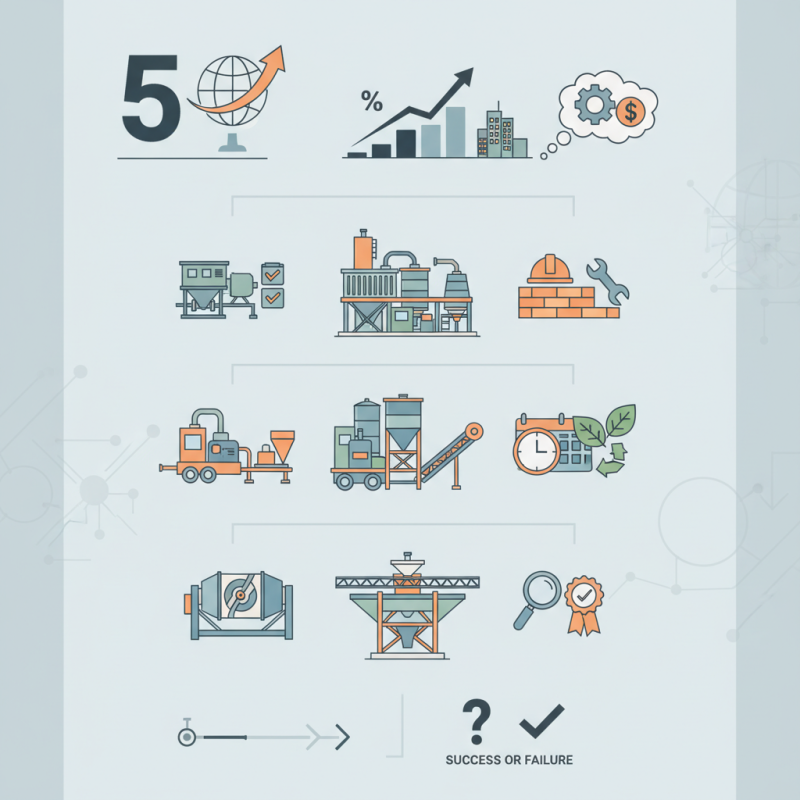
Overview of Concrete Batching Plants and Their Importance in Construction
Concrete batching plants play a crucial role in the construction industry. These facilities produce concrete in large quantities, ensuring that projects receive the right mix for their specific needs. Accurate measurement of materials is vital. A slight error can affect the structure's durability and safety. This highlights the importance of precision in batching processes.
Different projects require different types of concrete. A batching plant offers versatility, adapting to various specifications. This adaptability enhances efficiency on job sites. However, not all batching plants are created equal. Some may lack advanced technology, affecting quality control. Builders must carefully evaluate plant capabilities. An investment in reliable equipment pays off in the long run.
Environmental considerations are increasingly significant. Many batching plants now focus on reducing waste and carbon emissions. Implementing sustainable practices can enhance the plant's reputation. Yet, adopting new technologies can be challenging. Industry players must weigh costs against potential benefits. In the end, successful projects depend heavily on the quality of the concrete mix.
Key Features to Consider When Choosing a Concrete Batching Plant
When selecting a concrete batching plant, several key features warrant careful consideration. One crucial aspect is the plant's capacity. It’s essential to assess your project size. Larger projects demand higher output. Therefore, understanding your volume needs helps in choosing appropriately.
Another feature to examine is automation level. Fully automated systems offer efficiency but may require higher initial investment. However, they minimize human error and ensure consistency in mixing. On the other hand, semi-automated plants are often more cost-effective. They provide flexibility for smaller operations while still delivering quality output.
Tips: Always evaluate the plant's maintenance requirements. Regular upkeep is vital for long-lasting performance. Consider the availability of spare parts and service support, as this can impact downtime. Also, think about the plant's mobility. Some projects demand portability—to adapt to changing site conditions.
Lastly, pay attention to the construction materials used. Different types incorporate various technologies. Ensure the materials meet environmental standards and local regulations. A well-rounded choice often hinges on balancing features with budget constraints and operational needs. Remember, there are no perfect plants, only those that best fit your specific criteria.
Top 5 Concrete Batching Plants Recommended for Global Buyers
When selecting a concrete batching plant, global buyers need to consider various factors. The right plant ensures efficiency and quality in production. Research shows that the concrete batching plant market is expected to grow significantly, reaching approximately $XX billion by 2026. Quality equipment directly influences the strength and durability of concrete, essential for construction projects.
Consider different types of batching plants available. There are stationary, mobile, and compact options. Each type has its own advantages depending on the project scale. For instance, stationary plants offer better production efficiency for large-scale projects, while mobile plants enhance flexibility.
**Tips:** Look for plants with user-friendly interfaces. This reduces training time and increases operational efficiency. Pay attention to maintenance requirements, as regular upkeep can prevent costly downtimes.
Concrete mix design is also crucial. The proportions of water, aggregates, and cement significantly impact the final product. It’s worth knowing that even minor adjustments can lead to stronger concrete. So, always be open to testing and refining your mix.
**Tips:** Collaborate with engineers for optimal mix design. Testing new combinations can yield better results. Staying updated with industry standards can help buyers make informed choices.
Top 5 Concrete Batching Plants Recommended for Global Buyers
Comparative Analysis of the Selected Concrete Batching Plants
Concrete batching plants are crucial for construction projects around the world. They ensure a consistent supply of concrete and enhance project efficiency. A comparative analysis of selected plants reveals significant differences in technology, output capacity, and environmental impact.
Recent industry reports indicate that modern batch plants can produce concrete at rates exceeding 150 cubic meters per hour. This data highlights the importance of choosing the right plant for large-scale projects. For instance, fully automated plants may offer greater precision in material handling. However, they require higher initial investments and continual maintenance, which can be challenging for some operations.
It's essential to consider the sustainability aspect of batching plants. Some older models emit higher CO2 levels and require more energy. Reports show that newer designs have improved energy efficiency by about 30%. This shift reflects an industry trend towards greener practices. Buyers must weigh these factors against cost and performance. A hurried decision may lead to higher operational costs and environmental penalties in the long run.
Conclusion: Selecting the Right Plant for Your Project Needs
When selecting a concrete batching plant, consider your project’s specific requirements. Factors like production capacity, equipment size, and technology can greatly impact efficiency. Many buyers overlook the importance of local support and service. Access to spare parts and technical assistance is crucial for minimizing downtime.
Another aspect to weigh is the versatility of the plant. Some projects may change in scope, requiring different mix designs or production rates. A more adaptable plant can save time and costs. Reflect on your team's experience as well. Adequately trained personnel can enhance operational efficiency and ensure safety during plant operation.
Finally, consider the environmental regulations in your area. Some batching plants are more eco-friendly, offering features that reduce emissions and conserve resources. This can enhance your project’s sustainability. Remember, making the right choice is about balancing efficiency, adaptability, and compliance with local standards.
5 Best Concrete Batching Plants for Global Buyers
| Plant Model | Production Capacity (m³/h) | Mixing Method | Automation Level | Key Features |
| Model A | 120 | Twin Shaft | Fully Automated | High Efficiency, Compact Design |
| Model B | 90 | Planetary | Semi-Automated | Energy Efficient, Versatile Mixing |
| Model C | 60 | Single Shaft | Fully Automated | User-Friendly Interface, Durable |
| Model D | 150 | Hybrid | Automated with Manual Override | Flexibility in Operations, Fast Mixing |
| Model E | 80 | Continuous Mix | Semi-Automated | Space Saving, Ideal for Road Projects |