Best Forklift Pedestrian Detection System for Safe Operations?
In the bustling environment of warehouses and manufacturing floors, safety remains a top priority. Forklift operations often intersect with pedestrian zones, creating potential hazards. To mitigate these risks, the implementation of a robust Forklift Pedestrian Detection System is essential. According to industry expert John Smith, "An effective detection system can save lives by preventing accidents before they occur." This underscores the urgency of prioritizing technology that ensures safe interactions between forklifts and workers.
Recent advancements in Forklift Pedestrian Detection Systems have transformed safety protocols. These systems utilize sensors and cameras to detect pedestrians in real time. They provide timely alerts to forklift operators, significantly reducing the likelihood of accidents. However, it's important to acknowledge that no system is foolproof. Human behavior and unexpected variables may still pose challenges. Continuous training and awareness are crucial to complement these technologies effectively.
Despite the innovations, the industry often faces implementation hurdles. Many companies struggle to install and maintain these systems. Budget constraints and lack of expertise can limit their effectiveness. Reflecting on these challenges is necessary to enhance safety measures further. Embracing technological solutions, like Forklift Pedestrian Detection Systems, while addressing practical hurdles can create a safer working environment for everyone involved.
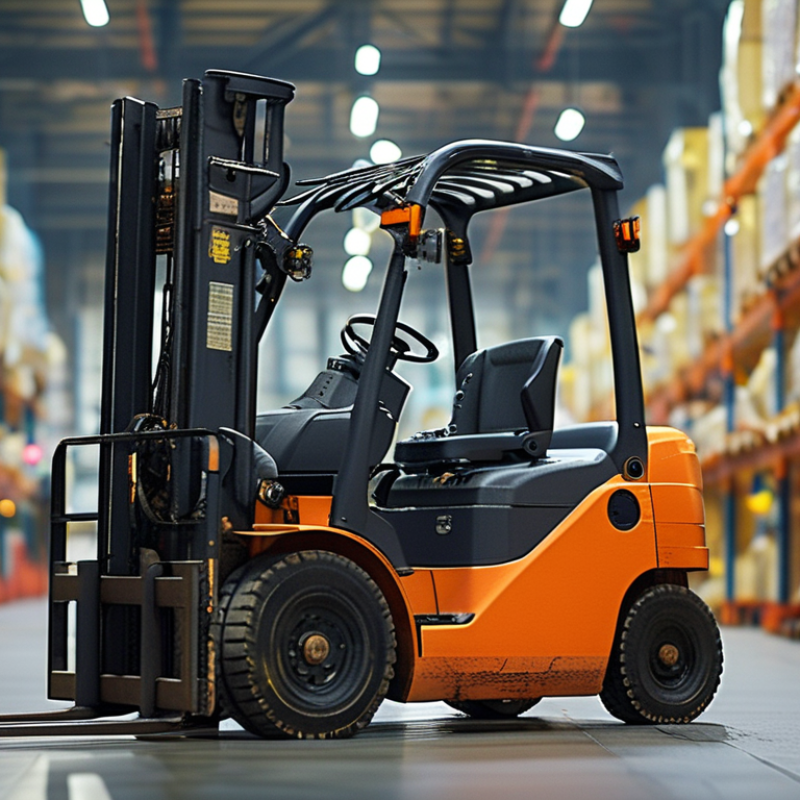
Overview of Forklift Pedestrian Detection Systems
Forklift pedestrian detection systems are essential for enhancing safety in warehouses and industrial environments. According to the National Institute for Occupational Safety and Health (NIOSH), injuries related to forklifts account for approximately 34,000 incidents every year. This data highlights the urgent need for effective detection systems that can prevent accidents involving pedestrians and forklifts.
Modern detection systems utilize advanced technologies such as LiDAR and ultrasonic sensors. These systems can accurately detect the presence of pedestrians within the operational zones of a forklift. A study published in the Journal of Safety Research found that implementing these systems can reduce the likelihood of pedestrian incidents by up to 60%. This significant reduction underscores their importance in creating safer work environments.
A few practical considerations can enhance safety. Ensure that systems are regularly maintained and calibrated for optimal performance. Encourage periodic training sessions for forklift operators on the limitations of detection systems. Education helps prevent over-reliance and fosters a culture of safety.
At the same time, it’s important not to ignore human factors. In certain situations, detection systems may fail to recognize a pedestrian due to obstructions or environmental conditions. Regular drills can help workers stay vigilant and aware of their surroundings, mitigating risks even when technology is at play. Balancing technology with human awareness remains vital in maintaining safety in forklift operations.
Forklift Pedestrian Detection Systems Effectiveness
Importance of Safety in Forklift Operations
Safety is paramount in forklift operations. Every year, numerous accidents occur in warehouses due to pedestrian and forklift interactions. These incidents often result in severe injuries or even fatalities. Therefore, creating a safe environment is essential for both operators and pedestrians.
Workplaces need to implement effective pedestrian detection systems. These systems warn forklift operators of nearby pedestrians, allowing for better awareness and reaction times. Acoustic alerts and visual signals can serve as valuable tools. It is critical to regularly assess these systems for effectiveness and adapt them based on changing workplace dynamics.
Moreover, fostering a safety culture is vital. Training programs should educate employees about safe practices. Employees must feel empowered to speak up about unsafe conditions. Regular safety drills can reinforce important protocols. This proactive approach can change the perception of safety from being a checklist to a shared responsibility.
Best Forklift Pedestrian Detection System for Safe Operations
| Feature | Description | Impact on Safety | Common Technologies |
| Real-Time Detection | Continuous monitoring of pedestrian presence around forklifts. | Reduces accidents by providing immediate alerts to operators. | Lidar, Cameras, Ultrasonic Sensors |
| Zone Control | Establishes safe zones for pedestrians in the operational area. | Prevents unauthorized access during operations, enhancing safety. | Geofencing, Proximity Sensors |
| Alert Systems | Audible and visual warnings when pedestrians are nearby. | Increases awareness and prevents accidents before they occur. | Buzzers, LED Lights, Signal Systems |
| Integration with Forklift Controls | Automatically modifies forklift behavior based on pedestrian presence. | Reduces speed or stops the forklift to avoid collisions. | Automatic Braking Systems, Speed Limiting Technology |
| Training and Compliance | Educates workers on safety protocols and system usage. | Enhances overall safety culture and compliance with safety regulations. | Training Programs, Simulation Systems |
Key Technologies Used in Pedestrian Detection Systems
Pedestrian detection systems are essential for forklift safety. These systems use advanced technologies to identify individuals near forklifts. One crucial technology is proximity sensors. These sensors detect the presence of pedestrians within a specific range. They can trigger alarms or alerts to operators when someone is nearby. This reaction time can be the difference between safety and accidents.
Another key technology is video analytics. Cameras equipped with artificial intelligence analyze the footage in real-time. They can distinguish between pedestrians and other objects. This helps forklift operators make better decisions. However, the effectiveness of video systems can be influenced by lighting conditions and camera placement. Poor visibility may lead to missed detections, highlighting the need for careful installation and regular maintenance.
Laser detection systems also play a vital role. They create a virtual safety zone around forklifts. If a pedestrian enters this zone, the system activates a warning signal. This proactive approach enhances awareness. Still, reliance on technology alone is not enough. Operator training and awareness campaigns are critical components of a holistic safety strategy. Evaluation and improvement of these systems are necessary to ensure ongoing effectiveness.
Features to Look for in a Good Detection System
When selecting a pedestrian detection system for forklifts, certain features are essential for enhancing safety in busy environments. One key feature is the system's ability to detect movement accurately. According to a recent report from the Occupational Safety and Health Administration (OSHA), nearly 70% of forklift accidents involve pedestrians. A reliable detection system should utilize advanced sensors and cameras to identify individuals within close proximity, even in low-light conditions.
Another vital aspect is the speed of response. Systems must quickly alert operators to the presence of pedestrians to prevent accidents. A study by the National Institute for Occupational Safety and Health (NIOSH) noted that a delayed response of just one second can increase the risk of collisions significantly. Moreover, the system should be equipped with audible and visual alerts to ensure immediate awareness for both the forklift operator and nearby pedestrians.
User-friendliness is also critical. Systems should be easy to operate and require minimal training. Complexity can lead to improper usage, diminishing their effectiveness. Continuous improvement and regular maintenance of the equipment should not be overlooked. Ensuring that detection systems are functional and updated can significantly impact workplace safety. It's essential to reflect on how well these systems perform and address potential shortcomings.
Best Practices for Implementing Detection Systems in the Workplace
Implementing pedestrian detection systems in the workplace is essential for enhancing safety. According to the National Institute for Occupational Safety and Health, approximately 20% of forklift fatalities involve pedestrians. Recognizing this alarming statistic highlights the need for effective detection systems. These systems can identify the presence of pedestrians and trigger warning alerts, mitigating potential accidents.
When implementing a detection system, consider the layout of your workspace. Ensure that sensors have clear lines of sight and are not obstructed by equipment or storage. Regular maintenance is crucial for these systems to function correctly. Research indicates that neglecting maintenance can reduce system effectiveness by up to 40%. It’s also important to conduct training sessions for employees. A well-trained workforce can significantly enhance the system's efficiency and overall safety.
Despite advancements, challenges remain. Detection systems may produce false alarms due to environmental factors or excessive background noise. Continuous monitoring and adjustments are necessary for optimal performance. The investment in technology must also be balanced with employee training to maximize effectiveness and efficiency. Safety should never become an afterthought in operational procedures; it requires constant attention and improvement.