What are the Best Solutions for Automation to Streamline Your Business Processes
In today's fast-paced business environment, companies are constantly seeking methods to enhance efficiency and productivity. Businesses are increasingly turning to automation as a vital strategy for streamlining processes. The implementation of solutions for automation not only reduces the time and effort required for routine tasks but also minimizes the possibility of human error, allowing organizations to refocus their resources on more strategic activities.
As we explore the best solutions for automation, it becomes clear that the right tools and technologies can significantly transform operational workflows. From automating repetitive administrative tasks to integrating sophisticated systems that connect various departments, businesses can achieve a higher level of synergy and cohesiveness in their operations. The benefits of these solutions extend beyond immediate efficiency gains, fostering an environment of continual improvement and innovation.
In the following sections, we will delve deeper into the most effective automation strategies that can cater to diverse business needs, ensuring that organizations not only keep pace with market demands but also position themselves for future growth. Embrace the power of automation and discover how it can serve as a catalyst for your business’s success.

Understanding Business Process Automation and Its Importance
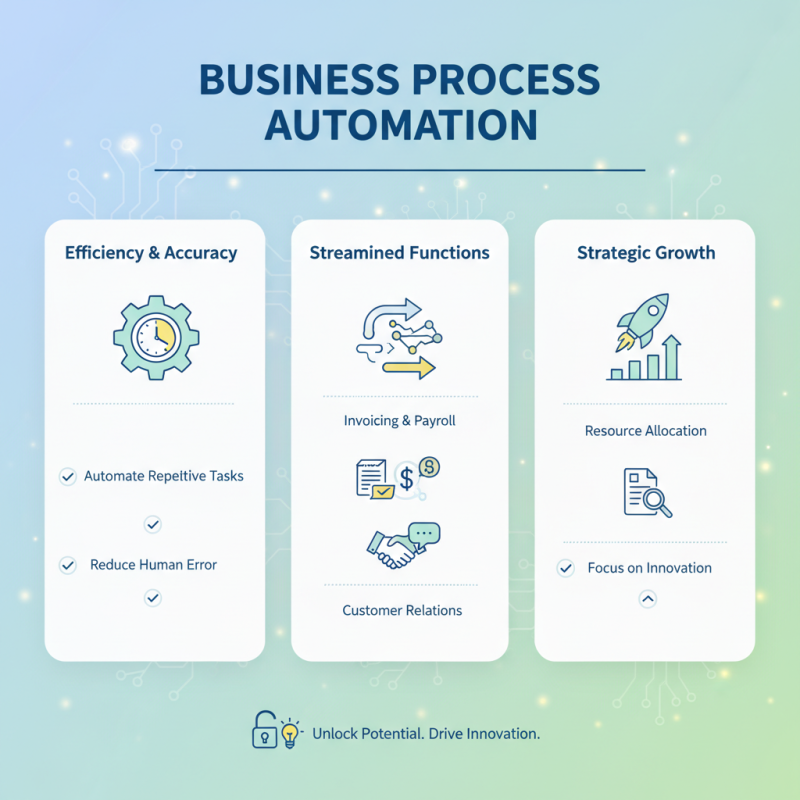
Business Process Automation (BPA) is a transformative approach that helps organizations enhance efficiency and reduce human error by automating repetitive tasks. Understanding the significance of BPA lies in recognizing how it can streamline various functions across a business—from invoicing and payroll to customer relationship management. By implementing automation, businesses can allocate resources more effectively, allowing employees to focus on strategic activities that drive growth and innovation.
The importance of BPA is further underscored by its ability to improve accuracy and speed. Automating mundane tasks minimizes the chances of manual mistakes and accelerates processes that once required significant time and effort. Additionally, BPA provides valuable data and insights, enabling companies to analyze performance and optimize workflows continuously. As businesses seek to adapt to an increasingly competitive landscape, embracing automation is essential for staying relevant and achieving operational excellence.
Identifying Key Areas for Automation in Your Business
Identifying key areas for automation in your business is crucial for enhancing efficiency and reducing operational costs. Start by analyzing repetitive tasks that consume valuable time and resources. For instance, administrative duties such as data entry, invoice processing, and report generation are often labor-intensive yet can be automated using suitable software tools. By implementing automation in these areas, you allow your employees to focus on more strategic initiatives that drive growth.
Another significant area to consider is customer service. Automating responses to frequently asked questions through chatbots or automated email replies can greatly enhance customer satisfaction while significantly cutting down response times. Additionally, inventory management can benefit from automation by tracking stock levels in real-time and reordering supplies automatically when thresholds are met. By pinpointing these areas for automation, businesses can streamline processes, allocate resources more effectively, and ultimately improve their overall performance.
Top Automation Tools and Technologies for Different Needs
In today's fast-paced business environment, automation tools and technologies play a vital role in enhancing efficiency and productivity. For small businesses, customer relationship management (CRM) systems can automate sales processes, manage client interactions, and streamline communication. This allows teams to focus their efforts on building relationships rather than handling mundane tasks. Additionally, project management tools equipped with automation features help in scheduling, resource allocation, and task assignments, thus ensuring that projects stay on track.
For larger enterprises, enterprise resource planning (ERP) systems offer comprehensive solutions that integrate various business functions, from finance to supply chain management. Automation within these systems can reduce manual entry errors, improve data accuracy, and expedite reporting processes. Furthermore, marketing automation platforms allow for personalized customer engagement through automated email campaigns, social media scheduling, and data analytics, tailoring strategies to meet specific audience needs while maximizing ROI. Choosing the right tools based on the unique demands of the business is essential for achieving optimal results.
Implementing and Integrating Automation Solutions Effectively
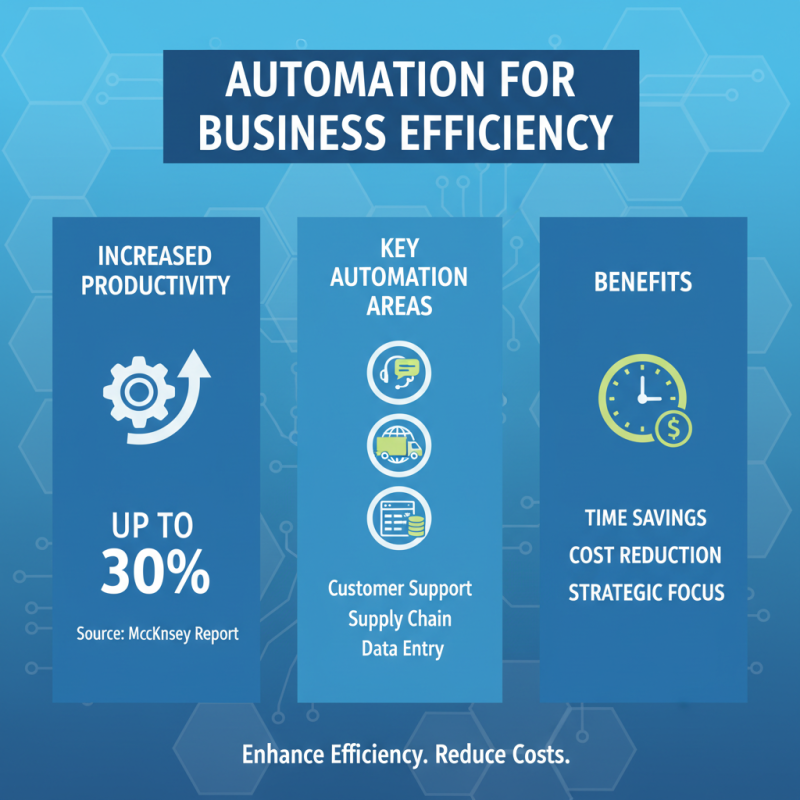
Implementing and integrating automation solutions effectively is crucial for businesses aiming to enhance efficiency and reduce operational costs. According to a report by McKinsey, organizations that implement automation can increase productivity by up to 30%. This underscores the importance of selecting the right automation tools that align with your business processes. Prioritizing automation in areas such as customer support, supply chain management, and data entry can yield significant time savings, enabling teams to focus on more strategic initiatives.
To ensure successful integration of automation solutions, it’s essential to prioritize employee training and change management. A study by Deloitte found that companies effectively managing employee transition during automation implementation reported 30% fewer issues with new technologies. Providing adequate resources, training sessions, and continuous support increases employee buy-in and proficiency with new tools, fostering a smooth transition.
**Tip:** Start small by automating repetitive tasks within one department, then gradually expand to other areas. This pilot approach allows for the identification of challenges and adjustments before a wider rollout.
Investing time in selecting the right automation platforms, backed by thorough data analysis and stakeholder feedback, can lead to optimized workflows. Remember, any successful automation strategy begins with a clear understanding of your current processes and future goals.
**Tip:** Regularly review and refine your automation systems to keep up with evolving business needs and technological advancements. This adaptability will ensure that your automation efforts continue to enhance efficiency and support overall business growth.
Measuring Success: Evaluating the Impact of Automation on Your Business
In today's rapidly evolving business landscape, automation has become a pivotal strategy for enhancing efficiency and driving growth. Evaluating the impact of automation on your business involves a careful analysis of key performance indicators (KPIs) such as increased productivity, reduced operational costs, and improved customer satisfaction. According to a study by McKinsey, companies that embrace automation can boost their productivity by up to 50%, leading to significant cost savings and competitive advantages in their respective markets.
One effective approach to measuring success is through the implementation of automation metrics. Track metrics such as process cycle time, error rates, and employee output before and after automation. For instance, a report from Deloitte reveals that organizations that adopt a comprehensive set of metrics can achieve a 20-30% improvement in process efficiency within the first year. By systematically evaluating these metrics, businesses can identify areas of improvement and make informed adjustments to their automation strategies.
**Tip:** Start small with automation by selecting low-risk processes that have the potential for quick wins. This allows you to measure the impact effectively without overwhelming your team.
Analyzing user feedback can also provide valuable insights into the effectiveness of automation. Gathering data through surveys or customer interactions can illuminate how automation affects customer experience and satisfaction levels. A study by Forrester highlights that businesses that regularly monitor customer feedback in relation to automated processes can enhance their service delivery, resulting in a 10-20% increase in customer retention rates.
**Tip:** Regularly review and adapt your automation strategies based on user feedback to ensure that they align with customer needs and enhance overall business performance.
What are the Best Solutions for Automation to Streamline Your Business Processes - Measuring Success: Evaluating the Impact of Automation on Your Business
| Automation Solution |
Impact on Efficiency (%) |
Cost Reduction (%) |
Time Savings (Hours/Week) |
Employee Satisfaction (%) |
| Robotic Process Automation |
30% |
20% |
15 |
85% |
| Artificial Intelligence Customer Support |
25% |
15% |
20 |
90% |
| Project Management Software |
20% |
10% |
10 |
80% |
| Document Management System |
15% |
12% |
8 |
75% |
| Email Automation Tool |
22% |
18% |
12 |
88% |