2026 Best Technology Automation Trends to Watch Out For?
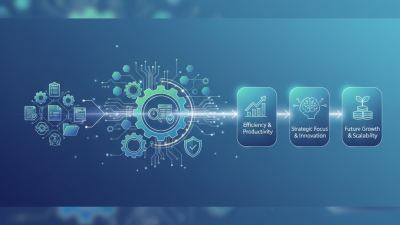
In the rapidly evolving landscape of technology automation, 2026 promises to unveil remarkable trends that will reshape industries. Businesses are increasingly adopting technology automation solutions to enhance productivity and efficiency. This shift is not merely a trend; it represents a fundamental change in how companies operate.
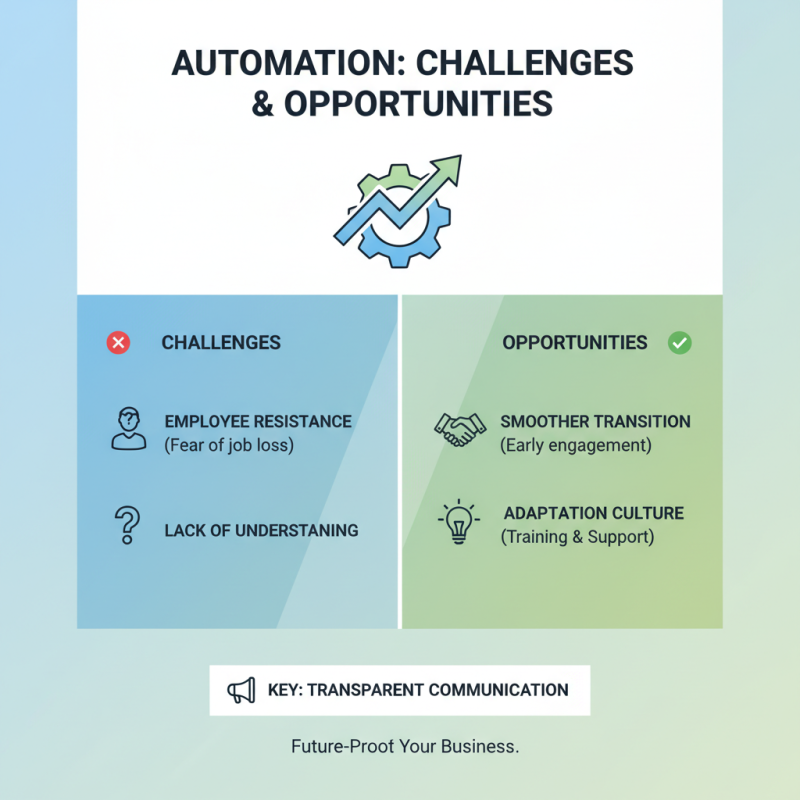
One notable trend is the integration of artificial intelligence in automation processes. This can significantly reduce human error but also raises concerns about job displacement. As organizations embrace automation, they must address these challenges responsibly. Additionally, advancements in robotics are paving new pathways. The role of robots in manufacturing and logistics is expanding, yet this integration requires careful implementation.
As we venture into 2026, staying informed about technology automation trends is crucial. Organizations will need to adapt strategically. It's essential to reflect on how these innovations impact workforce dynamics and overall business goals. Balancing efficiency with ethical considerations will define successful transitions in the realm of technology automation.
Key Automation Technologies Gaining Traction in 2026
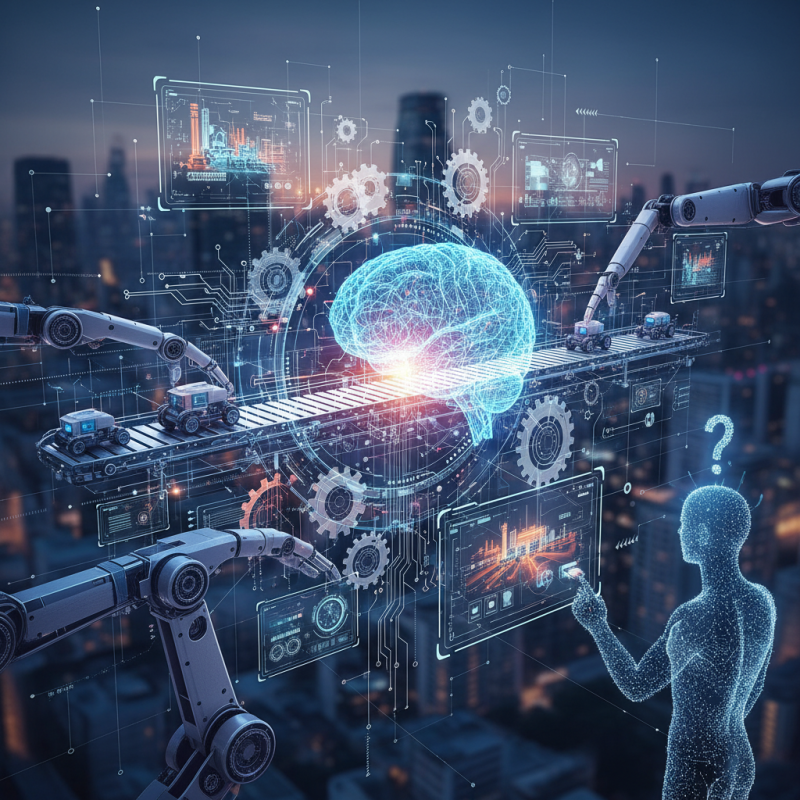
In 2026, automation technologies are rapidly evolving. Businesses are embracing artificial intelligence more than ever. AI-powered tools streamline processes and improve efficiency. From customer service chatbots to predictive analytics, the use of AI is vast. These tools help companies analyze data and make informed decisions quickly. However, reliance on AI comes with challenges. Ensuring data privacy and avoiding bias in algorithms is critical.
Robotic process automation (RPA) is also gaining traction. Organizations use RPA to automate repetitive tasks. Tasks like invoice processing and data entry can be handled with ease. This increases productivity while freeing employees to focus on strategic work. Yet, some employees express concerns about job security. Balancing automation with workforce needs is necessary for success.
Another notable trend is the rise of cloud-based automation solutions. These platforms allow for scalable automation, adapting to changing business demands. Teams can work collaboratively, regardless of location. However, not all companies are ready to transition to the cloud. Understanding the complexity of integration is vital. Organizations need to reflect on their readiness to adopt these new tools.
2026 Best Technology Automation Trends to Watch Out For
| Trend |
Description |
Impact Area |
Adoption Rate (%) |
| AI-Powered Automation |
Integration of AI for smarter decision-making and automating complex processes. |
Manufacturing, Customer Service |
70% |
| Robotic Process Automation (RPA) |
Usage of software robots to handle high-volume repetitive tasks. |
Finance, HR |
65% |
| IoT Automation |
Connecting devices to automate data collection and operations. |
Smart Homes, Supply Chain |
60% |
| Low-Code/No-Code Platforms |
Platforms enabling users to create applications with minimal coding. |
Software Development, Business Operations |
55% |
| Edge Computing Automation |
Processing data closer to the source, reducing latency for faster automation. |
Telecommunications, Industrial IoT |
50% |
Impact of AI and Machine Learning on Automation Trends
The impact of AI and machine learning on automation trends is profound and evolving. These technologies are reshaping industries and redefining efficiency.
Automation is no longer just about speed; it’s about smart decision-making. Companies are integrating AI to analyze vast amounts of data. This leads to better insights and more informed choices.
However, there are challenges. Organizations often struggle with the implementation of these advanced systems. The technology can be complex, and employee training may lag behind. Many workers feel uncertain about their roles in automated environments. It raises questions about job displacement and skill relevance.
Furthermore, ethical considerations in AI usage complicate automation efforts. As machines make decisions, biases can emerge if not carefully monitored. Transparency in AI operations is crucial, yet remains an ongoing debate. While AI and machine learning promise great advancements, stakeholders must address these imperfections as they move forward.
Integration of IoT in Automation Solutions
The integration of IoT in automation solutions is a game changer. It enables devices to communicate seamlessly. This interaction provides real-time data for better decision-making. Companies can monitor equipment remotely and predict failures before they happen. This level of insight can prevent costly downtime.
Tips: Always assess the compatibility of your IoT devices. Not every device works well with existing systems. Make sure to test connections. Poor integration can lead to data silos, which undermine the benefits of automation.
Another consideration is security. With more devices connected, risks increase. Protecting sensitive data should be a priority. Regular updates and proper network configurations can mitigate vulnerabilities. Reflect on these aspects to ensure a robust automation framework. It’s essential to stay vigilant.
2026 Best Technology Automation Trends: Integration of IoT in Automation Solutions
This chart illustrates the projected growth of key technology automation trends influenced by the integration of IoT from 2023 to 2026. The data reflects the percentage increase in adoption of various automation solutions in the context of IoT enhancements.
Emergence of Hyperautomation and Its Implications
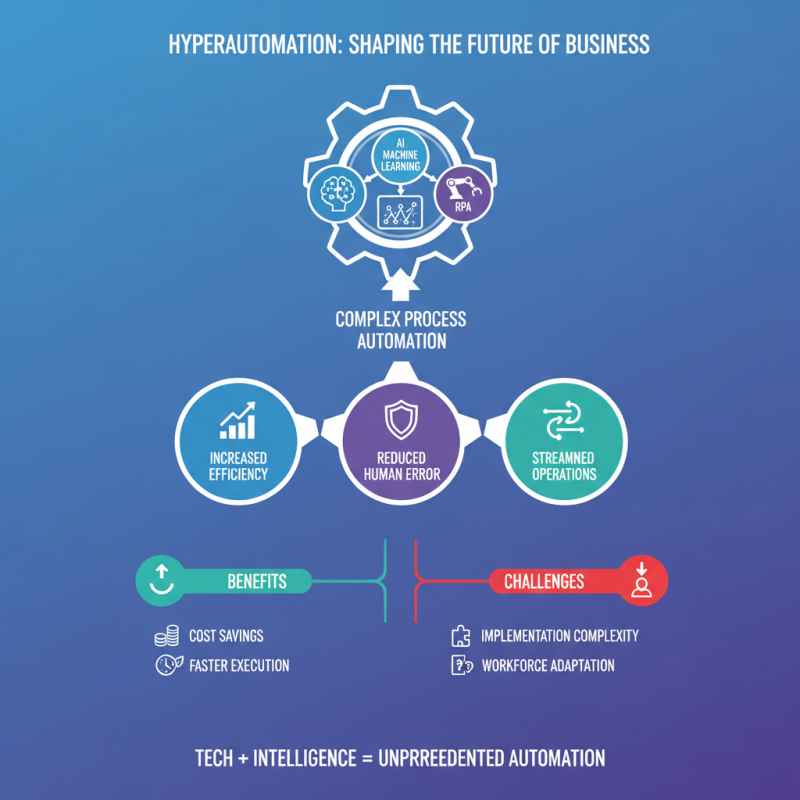
Hyperautomation is taking center stage in technology automation. It combines advanced tools like AI, machine learning, and RPA (Robotic Process Automation) to automate complex business processes. This trend is reshaping industries by increasing efficiency and reducing human error. Companies can streamline operations, allowing tech to handle repetitive tasks. However, this transformation comes with challenges.
The implementation of hyperautomation can create dependency on technology. As processes become automated, employees may feel displaced. The shift requires workforce reskilling, as traditional roles evolve. There's also the risk of over-relying on automated systems. If not monitored, they can lead to operational blind spots. Companies need to ensure a balance between automation and human oversight to mitigate such risks.
Data privacy is another concern. With increased automation, sensitive information is often processed by algorithms. This raises questions about security and ethical use. Organizations must navigate these issues carefully. It's essential to create clear policies around data handling and automation processes. A thoughtful approach to hyperautomation can lead to significant gains but requires reflection on its broader implications.