How to Boost Your Productivity Using Automation in Everyday Tasks
In today's fast-paced world, the pursuit of productivity is more critical than ever. As we juggle various responsibilities in our personal and professional lives, finding efficient ways to manage our time becomes paramount. One of the most effective strategies to enhance productivity is by adopting modern techniques, particularly using automation. By automating routine tasks, individuals can redirect their focus towards more strategic activities that require critical thinking and creativity.
The integration of automation into everyday tasks not only streamlines workflows but also minimizes the potential for human error, thereby increasing overall efficiency. From scheduling meetings to sending reminders and managing email correspondence, the applications of automation are versatile and extensive. By leveraging these technological advancements, we can reclaim precious hours in our day and ultimately achieve a better work-life balance.
As we explore the various methods of using automation to boost productivity, it becomes clear that this approach is not merely a trend but a necessity. Embracing automation allows individuals to prioritize meaningful work, foster innovation, and enhance their overall quality of life. In this guide, we will delve into practical strategies for incorporating automation into your daily routine, ensuring that you can maximize your productivity and achieve your goals more effectively.
Understanding Automation: A Key to Enhanced Productivity
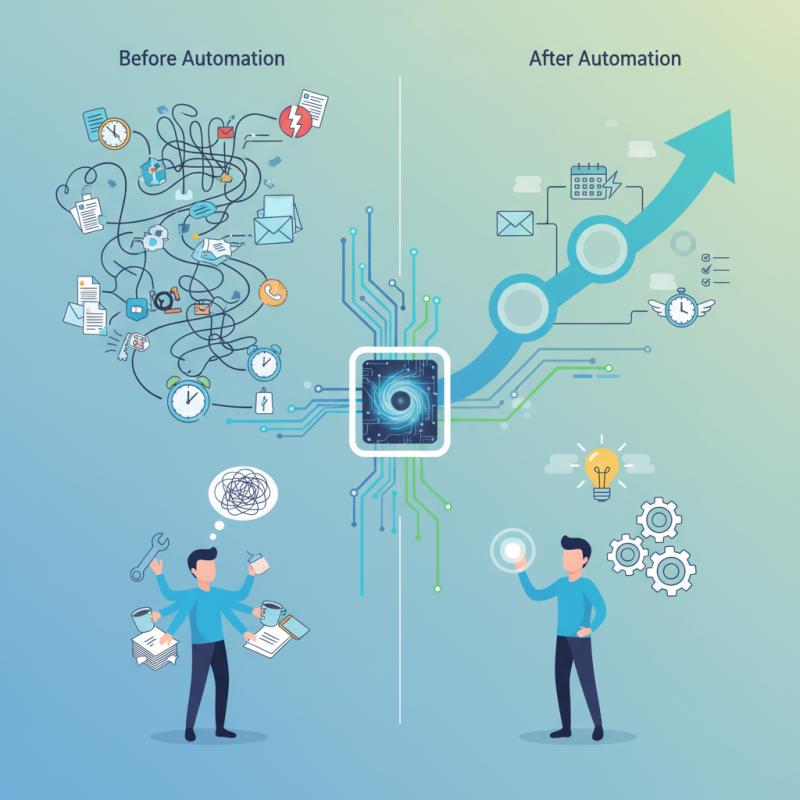
Automation has become an integral part of enhancing productivity in our daily lives. By understanding automation, individuals can identify routine tasks that consume valuable time and energy.
Automation tools can streamline processes, whether it’s managing emails, scheduling appointments, or even household chores. This not only frees up time for more strategic activities but also reduces the mental load associated with repetitive tasks, allowing for clearer focus and creativity.
Embracing automation means leveraging technology to handle the mundane. For instance, setting up automated reminders can help prevent missed deadlines, while workflow automation can ensure that tasks flow seamlessly from one stage to the next without manual intervention. As individuals engage with these tools, they often discover that automation not only enhances efficiency but also fosters a sense of control, enabling them to allocate their time towards more impactful and fulfilling pursuits.
By integrating automation into everyday life, one can cultivate a more productive mindset and achieve a better work-life balance.
Identifying Everyday Tasks Suitable for Automation
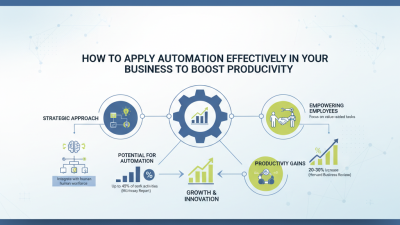
Identifying everyday tasks suitable for automation is essential for enhancing productivity. According to a report from McKinsey, approximately 60% of all occupations have at least 30% of their activities that can be automated using existing technologies. This indicates a significant opportunity for individuals and businesses to streamline processes and reduce time spent on mundane tasks. Common tasks ripe for automation include scheduling meetings, managing emails, and data entry, all of which are time-consuming and contribute little value to overall productivity.
In addition to administrative tasks, automation can also be effectively applied in financial processes. A study by the Association for Financial Professionals highlighted that more than 80% of financial professionals consider automation critical for improving efficiency in tasks such as invoicing and expense management. By automating these processes, organizations can reduce human error and free up valuable time for employees to focus on higher-level strategic initiatives. Furthermore, implementing automation tools for customer support, such as chatbots, can also handle repetitive inquiries, allowing human staff to concentrate on more complex customer needs. This shift not only enhances operational efficiency but also improves overall customer satisfaction.
Productivity Boost Through Automation
Choosing the Right Tools and Software for Automation
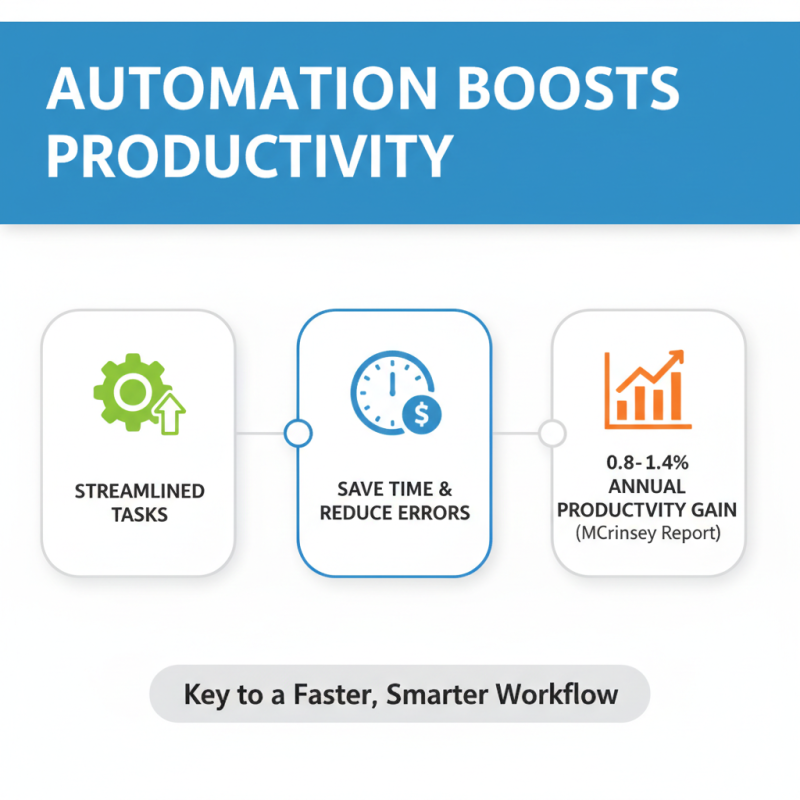
In today's fast-paced work environment, automation is a crucial factor in enhancing productivity. Choosing the right tools and software for automation can significantly streamline everyday tasks, saving time and reducing manual errors. According to a report by McKinsey, automation could raise productivity by 0.8 to 1.4 percent annually, underscoring the importance of integrating the right solutions into your workflow.
When selecting automation tools, it is essential to evaluate your specific needs and objectives. Tools like workflow automation software can help manage repetitive tasks, while customer relationship management systems (CRMs) can automate client interactions, thereby enhancing communication and engagement. A survey by the World Economic Forum revealed that 72% of businesses plan to implement automated technologies to improve efficiency in the next few years, highlighting a significant shift toward embracing automation across various sectors.
Tips: Start by identifying the most time-consuming tasks in your daily operations. Consider utilizing automation tools that integrate seamlessly with your existing systems. Additionally, invest time in training your team to ensure they fully understand how to leverage these tools for maximum efficiency. Embracing automation not only simplifies workflows but also fosters a culture of continuous improvement within your organization.
Implementing Automation: Step-by-Step Guide
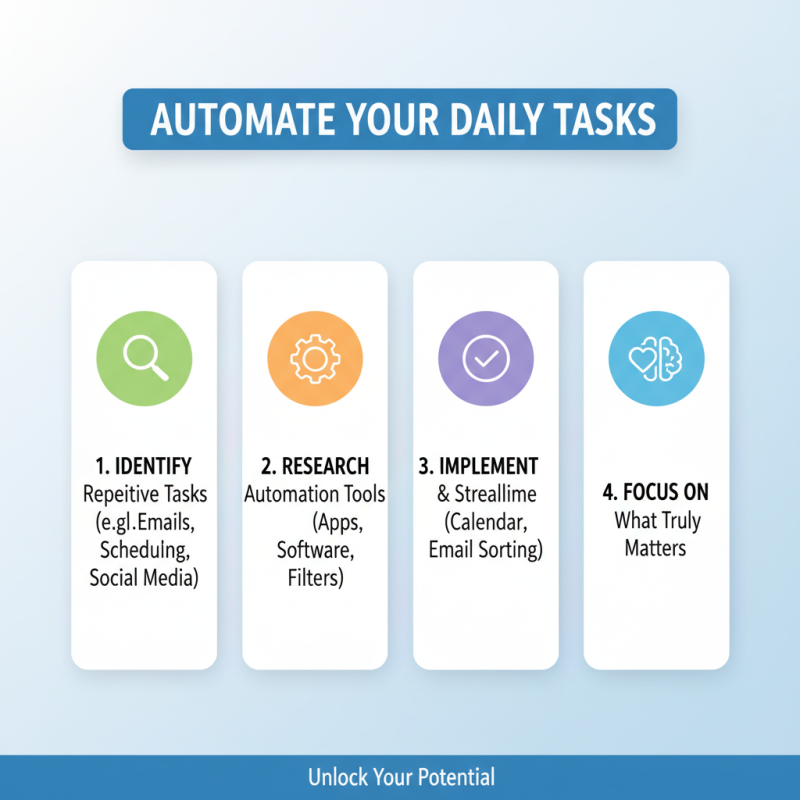
Automation can revolutionize the way we manage our daily responsibilities, enabling us to focus on what truly matters. To implement automation in your everyday tasks, begin by identifying repetitive activities that consume a significant amount of your time. These could include scheduling appointments, responding to emails, or managing social media posts. Once you’ve pinpointed these tasks, research tools or software that can help streamline these processes. For example, using scheduling apps can help automate your calendar management, while email filters can sort messages based on priority.
The next step is to create a structured plan for integrating these automated solutions into your workflow. Start small by automating one or two tasks at a time to avoid feeling overwhelmed. Gradually expand your use of automation as you become comfortable. Monitor the effectiveness of these changes by assessing time saved and reduced stress levels. It’s essential to stay flexible; tweaks might be necessary to optimize the automated systems to work seamlessly with your established routines. By taking these steps, you can significantly enhance your productivity, allowing for greater focus on creative and strategic endeavors.
Measuring the Impact of Automation on Your Productivity
Automation has become a cornerstone of productivity in the modern workplace, providing measurable benefits in efficiency and time management. According to a report by McKinsey, automation can increase productivity by up to 40% in certain tasks, allowing employees to focus on more strategic activities. When routine tasks are automated, such as data entry, scheduling, or email responses, the time saved can be significant. For instance, a study conducted by Zapier found that 74% of workers believe automation saves them at least 10 hours a week, which translates to nearly two full workdays. This extra time can be redirected towards innovation, problem-solving, and increasing overall workplace morale.
Furthermore, the impact of automation on productivity extends beyond just time savings. A report from Forrester indicates that companies that implement automation technologies experience a marked improvement in team collaboration and output quality. By minimizing repetitive tasks, employees report higher job satisfaction and engagement levels. In fact, organizations that prioritize automation have seen their employee productivity rates improve by up to 30%. These metrics underscore the idea that automation not only streamlines processes but also enhances the overall effectiveness and well-being of the workforce. As organizations continue to evaluate their productivity strategies, integrating automation into everyday tasks presents a compelling case for sustainable growth and innovation.