Skip to content

Top 10 Ways China is Using Automation for Global Buyers?

In recent years, China's adoption of automation technologies has reshaped global buying patterns. According to a report by McKinsey & Company, automation could drive a whopping $2.7 trillion in additional economic value for China by 2030. This significant shift is influencing how global buyers engage with products and services from China.

Leading expert in automation, Dr. Mei Chen, states, "Using automation not only enhances efficiency but also redefines supply chain dynamics." Her insights reflect a critical change in how buyers view the importance of speed and reliability. Automation allows Chinese manufacturers to produce higher-quality products at a faster rate, catering to international demand robustly.

However, challenges remain. While automation increases efficiency, it raises questions about job displacement and the need for reskilling workers. Furthermore, the rapid pace of change can lead to disparities in technology adoption across different sectors. In navigating this landscape, global buyers must be aware of the implications of using automation in supply chains, recognizing both its benefits and potential pitfalls.
Top 10 Ways China is Using Automation for Global Buyers?

China's Investment in Robotics for Enhanced Manufacturing Efficiency

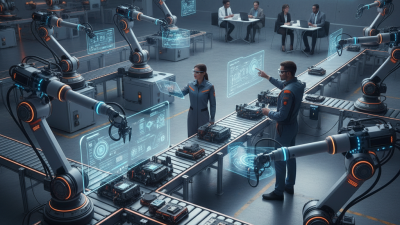
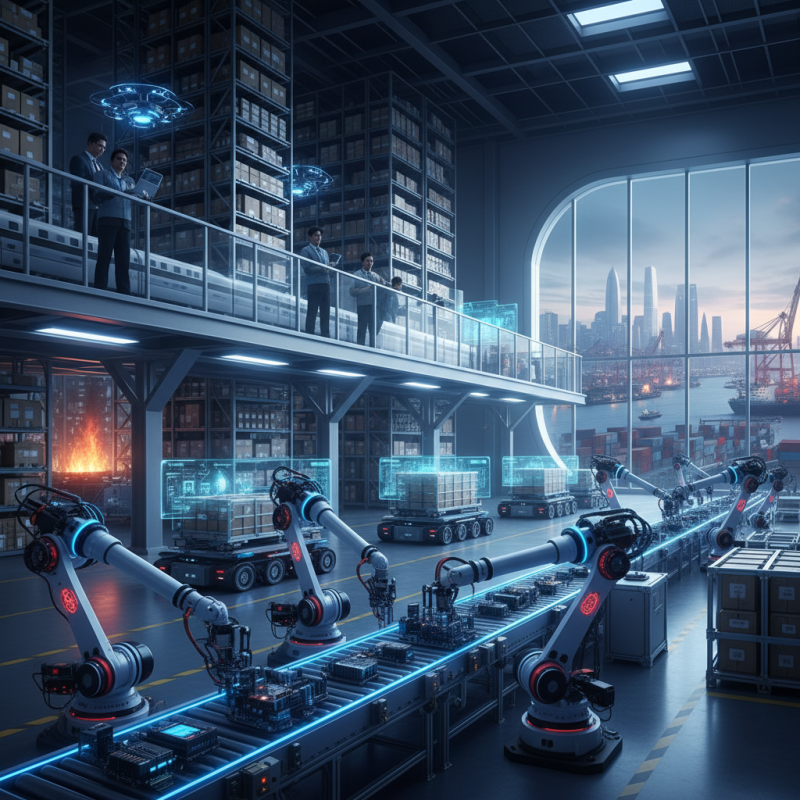
China's investment in robotics has profoundly impacted its manufacturing sector. Factories across the country increasingly utilize automation to enhance production efficiency. This shift is evident in the widespread use of robotic arms for assembly tasks. These machines operate tirelessly, improving output and minimizing human error. The integration of AI allows robots to learn and adapt, streamlining processes.

Despite these advancements, there are challenges. Some workers face job displacement, leading to social concerns. The rapid pace of automation can overwhelm workers lacking technical skills. Additionally, the initial costs associated with implementing robotics are significant. Companies must balance immediate expenses against long-term benefits. While many factories embrace technology, others remain hesitant. This reluctance highlights the need for ongoing training and support.

China's quest for enhanced manufacturing efficiency underscores its ambition on the global stage. Robotics not only drive productivity but also signify a shift toward advanced manufacturing. However, the journey is complex. Striking a balance between innovation and human employment is crucial for sustainable growth.

Top 10 Ways China is Using Automation for Global Buyers

Automation Technologies Driving Supply Chain Optimization in China

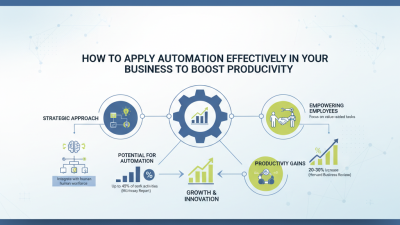
China is at the forefront of automation, transforming its supply chain landscape. Automation technologies play a crucial role in optimizing operations. According to a McKinsey report, companies implementing automation can boost efficiency by up to 30%. This substantial increase helps global buyers reduce costs and meet demand more effectively.

One notable technology is robotics. Factories increasingly rely on robots for repetitive tasks. This not only speeds up production but also minimizes human error. A study from Statista reveals that the use of industrial robots in China is expected to grow by 20% annually. This growth reflects a shift towards smarter manufacturing processes.

However, automation isn't without its challenges. Many businesses face issues in integrating new technologies. Insufficient training for workers can affect productivity. It’s essential for companies to address these human factors alongside technological advancements. Understanding customer needs remains critical, as automation alone does not guarantee success. Balancing innovation with workforce development is a key consideration for companies aiming to thrive in this evolving landscape.

The Role of AI in Improving Quality Control for Global Buyers

Top 10 Ways China is Using Automation for Global Buyers?

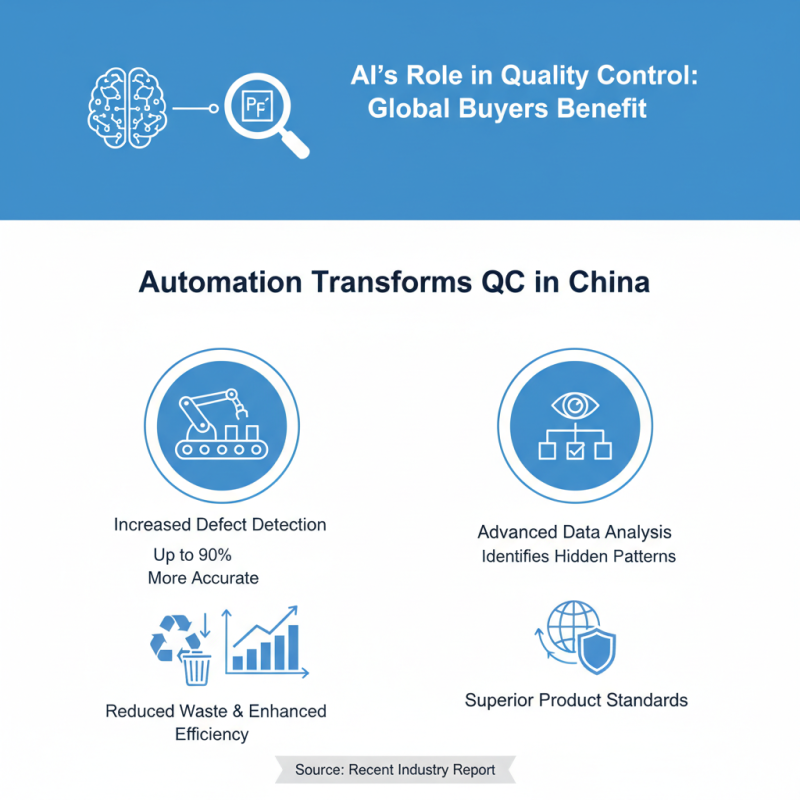
Automation is transforming quality control in China. The integration of AI technologies plays a crucial role in ensuring superior product standards. According to a recent industry report, automated systems can increase defect detection rates by up to 90%. This leads to reduced waste and enhanced efficiency. Moreover, AI can analyze large data sets, identifying patterns that human inspectors might miss.

However, the reliance on automation does not come without challenges. While AI improves consistency, it can overlook nuances in quality that require human judgment. Reports indicate that automated systems can produce false positives, labeling good products as defective. This can lead to unnecessary disruptions in production and increased costs.

Furthermore, as automation becomes more prevalent, upskilling the workforce is essential. Employees must adapt to new technologies and processes. A study showed that companies investing in employee training alongside automation experienced 30% higher quality improvements. Balancing automation with human insight is vital for the best results.

E-commerce Automation: Streamlining Order Fulfillment in China

E-commerce has seen transformative changes in recent years, especially in China. Automation is becoming the backbone of order fulfillment processes. By integrating advanced technologies, companies improve efficiency, reducing processing times for orders.

Automation streamlines inventory management. Smart systems can track stock levels in real-time. This helps prevent overstocking or stockouts. For global buyers, it means timely delivery of products. However, dependency on technology raises questions. What happens during system failures? There’s always a risk of disruptions that need addressing.

Another significant aspect is customer service. Automated chatbots handle inquiries instantly. They can provide product information or address concerns. But, while they are efficient, they might miss the human touch. Balancing tech use with personal interaction is crucial. Automation creates speed but raises important considerations for quality and customer satisfaction.

Data Analytics and Automation: Empowering Smarter Business Decisions in China

China's push toward automation is revolutionizing how businesses analyze data. A recent industry report highlights that 73% of companies in China have integrated data analytics systems into their operations. These systems empower decision-makers to understand market trends more accurately. They can process vast amounts of data, offering insights that were previously difficult to obtain.

Automation in inventory management is particularly noteworthy. Businesses now rely on real-time data to optimize stock levels. This helps reduce waste. For instance, an analysis revealed that using automated inventory systems cut costs by nearly 30% for many firms. Such advancements promote efficiency but raise concerns about data privacy and security.

However, challenges remain. The reliance on automation can lead to overconfidence in data, resulting in poor decisions. A study found that 60% of executives believe they misinterpret data at least once a month. This suggests a need for improved data literacy among professionals. Embracing automation should go hand in hand with education, ensuring that businesses leverage data responsibly and effectively.

Top 10 Ways China is Using Automation for Global Buyers

Method Description Benefits
Robotic Process Automation (RPA) Using software robots to automate repetitive tasks. Increased efficiency and reduced operational costs.
AI-driven Analytics Leveraging artificial intelligence to process and analyze vast amounts of data. Enhanced decision-making capabilities based on data insights.
Supply Chain Automation Integrating automation tools in supply chain management. Improved inventory management and faster delivery times.
Predictive Maintenance Using sensors and analytics to predict equipment failures. Reduced downtime and maintenance costs.
E-commerce Automation Automating order processing and customer interactions. Enhanced customer experience and improved sales performance.
Chatbots for Customer Service Implementing AI chatbots to handle customer service inquiries. 24/7 support and reduced wait times for customers.
Automated Quality Control Using automation tools to ensure product quality during production. Higher product consistency and lower defect rates.
Data Entry Automation Automating data input tasks to eliminate human error. Increased accuracy and savings on labor costs.
Digital Payment Automation Streamlining payment processes through automation. Faster transactions and reduced transaction fees.
Business Intelligence Tools Using automated tools to gather, analyze, and visualize business data. Better insights for strategic planning and forecasting.