China Top Laser Automation Solutions for Global Buyers?
In the rapidly evolving landscape of manufacturing, "laser automation" stands out as a transformative technology. According to a recent report by Mordor Intelligence, the global laser automation market is projected to reach approximately $6 billion by 2026, growing at a CAGR of over 10%. This growth reflects the increasing demand for precision and efficiency in production processes.
China has emerged as a key player in this sector, offering innovative solutions that cater to global buyers. The country’s investment in laser technology has led to advancements in both materials processing and automation systems. For instance, Chinese manufacturers have developed specialized laser cutting machines that enhance speed and accuracy, vital for sectors like automotive and electronics.
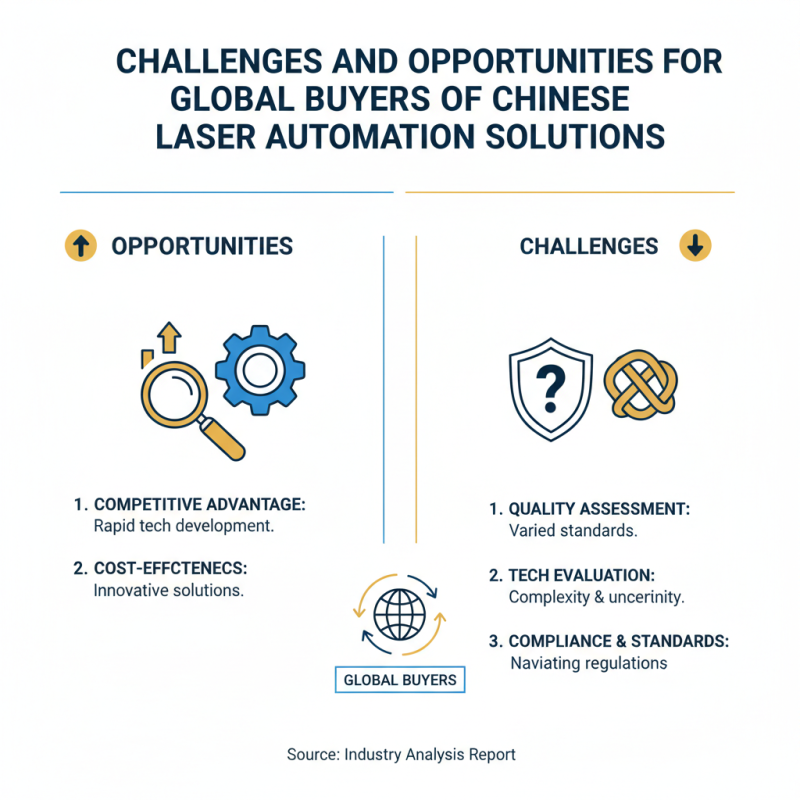
However, the laser automation industry faces challenges. Quality control remains a critical issue, often leading to inconsistencies in production. Moreover, the rapid pace of technological advancement necessitates continuous learning and adaptation from industry professionals. Recognizing these imperfections can lead to improvements and drive further growth in the sector. Thus, while China’s laser automation solutions show great promise, stakeholders must remain vigilant in addressing shortcomings and fostering innovation.
China's Leading Laser Automation Technologies Explained
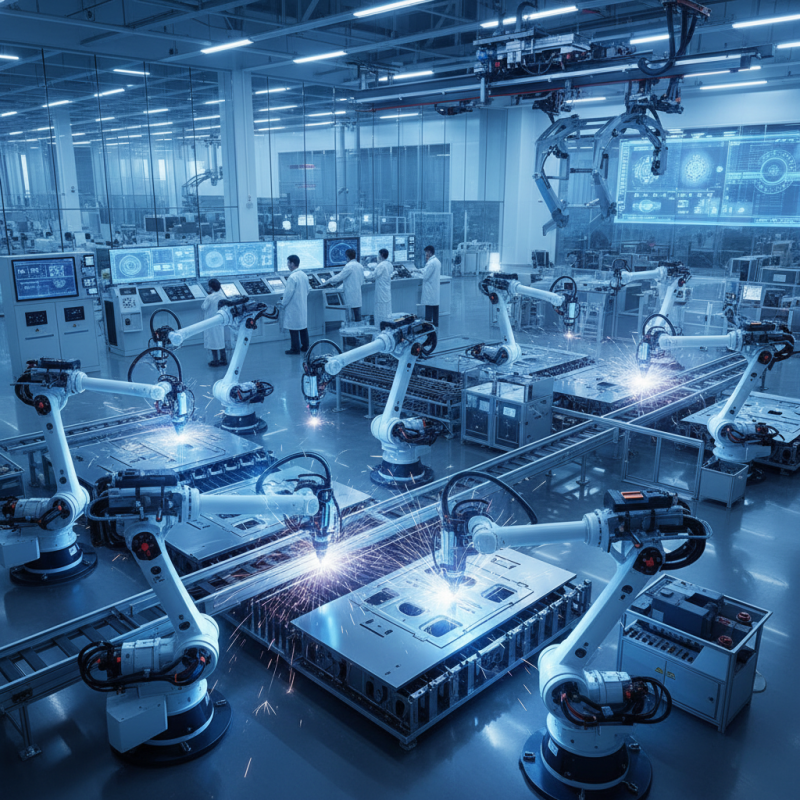
China has become a powerhouse in laser automation technology. The flexibility of laser systems has transformed various industries, from manufacturing to healthcare. Key advantages include precision and speed. Such qualities are crucial for businesses aiming to enhance productivity.
Leading innovations often focus on cutting-edge applications. For example, laser welding has gained prominence for its ability to join complex materials. Similarly, laser engraving provides detailed customization options. These techniques reduce waste and increase efficiency, which many global buyers seek.
However, challenges persist. While innovation is rapid, quality control could be inconsistent across different providers. Moreover, scalability remains a concern for smaller enterprises looking to adopt these technologies.
Addressing such issues will be vital for the future of laser automation in a global context.
Key Players in China's Laser Automation Industry
China's laser automation industry has seen significant growth. This sector is marked by innovative solutions tailored to various fields. Cutting-edge technology is increasingly integral to manufacturing and processing industries. Notably, many companies in this space focus on enhancing efficiency and reducing labor costs.
Key players in this market prioritize quality and precision. They invest in research and development to stay competitive. Partnerships within the industry have also fostered advancements. Some companies collaborate with universities to explore new applications for laser technology. However, challenges remain, such as navigating regulatory landscapes and rising competition.
While the potential is evident, some enterprises still struggle with adoption. Many face hurdles in integrating new systems into existing workflows. This can lead to production delays and increased costs. Reflecting on these challenges reveals the complex nature of implementing laser automation. The future of this industry relies on continuous improvement and adaptation to changing market demands.
Innovative Applications of Laser Automation in Global Markets
Laser automation is transforming industries worldwide. Its applications range from manufacturing to healthcare, showcasing its versatility. In manufacturing, laser cutting technology offers precision. This leads to reduced material waste and improved efficiency. Companies are adopting these solutions to remain competitive. Automation in this sector streamlines operations, allowing for quick adjustments to meet demand.
In healthcare, laser technology plays a crucial role. It assists in surgeries and diagnostics, improving patient outcomes. The accuracy of lasers minimizes recovery time. However, the reliance on technology raises important questions. Not all healthcare facilities have access to these advanced tools. This can create disparities in patient care.
Global markets must address these challenges. Encouraging collaboration between companies and industries can foster innovation. Sharing knowledge can lead to better solutions for everyone. As laser automation continues to evolve, its potential must be harnessed responsibly. The future holds promise, but we must remain vigilant about equitable access.
China Top Laser Automation Solutions for Global Buyers
| Application Area |
Technology Type |
Global Market Demand |
Growth Rate (%) |
Key Benefits |
| Metal Cutting |
Fiber Lasers |
High |
12% |
Precision and Speed |
| Welding |
CO2 Lasers |
Medium |
8% |
Strong Joints and Reduced Heat Affected Zone |
| Engraving |
Diode Lasers |
Low |
6% |
Versatile and Cost-Effective |
| 3D Printing |
Laser Sintering |
High |
15% |
Complex Structures and Material Efficiency |
Future Trends in China's Laser Automation Solutions
China is rapidly advancing in the field of laser automation solutions. The demand for precision and efficiency is driving technological innovation. Manufacturers are focusing on creating systems that integrate seamlessly into production lines. This shift enables businesses to enhance productivity and reduce costs simultaneously.
The future trends in this sector highlight significant advancements. Companies are exploring artificial intelligence to optimize operational efficiency. This technology allows for real-time data analysis and improved decision-making. Additionally, there is a growing emphasis on customization. Tailored solutions can meet specific client needs more effectively, promoting greater satisfaction.
However, challenges remain. The speed of technological change can make it difficult for some businesses to adapt. Investing in training and development is essential for workforce readiness. Moreover, maintaining quality while scaling production processes poses a complex dilemma. Balancing innovation with reliability will be crucial for sustainable growth in China’s laser automation landscape.