China has become a major production center for Led Display Module systems used in retail, transport, stadiums, and corporate spaces. Its advantage is not limited to factory volume. It includes dense supplier networks, automated testing, rapid customization, and strong component integration. Buyers can often compare cabinet structures, pixel pitches, refresh rates, and protection grades within one sourcing region.
Grand View Research valued the global LED display market at approximately USD 7.1 billion in 2023. Its report also projects continued growth through 2030, driven by fine-pitch displays, outdoor advertising, and immersive commercial experiences. TrendForce’s LED industry analysis points to growing demand for direct-view LED, especially where seamless images and large viewing areas matter. Yet market figures vary. Definitions differ between display panels, modules, and complete systems. That detail deserves attention.
The right Led Display Module manufacturer should provide more than an attractive quotation. Buyers need traceable LED chips, stable calibration, clear test records, and realistic brightness specifications. A bright screen can still perform poorly under direct sunlight if thermal design is weak. Small gaps may also appear after repeated installation.
Bob Raikes, founder of Meko, has expressed a useful purchasing principle: “The application should determine the display technology.” It sounds simple. It is often ignored.
This guide examines leading China-based manufacturers for global buyers. It considers product consistency, engineering experience, customization capacity, certifications, after-sales support, and export reliability. No supplier is perfect. Careful verification remains essential.
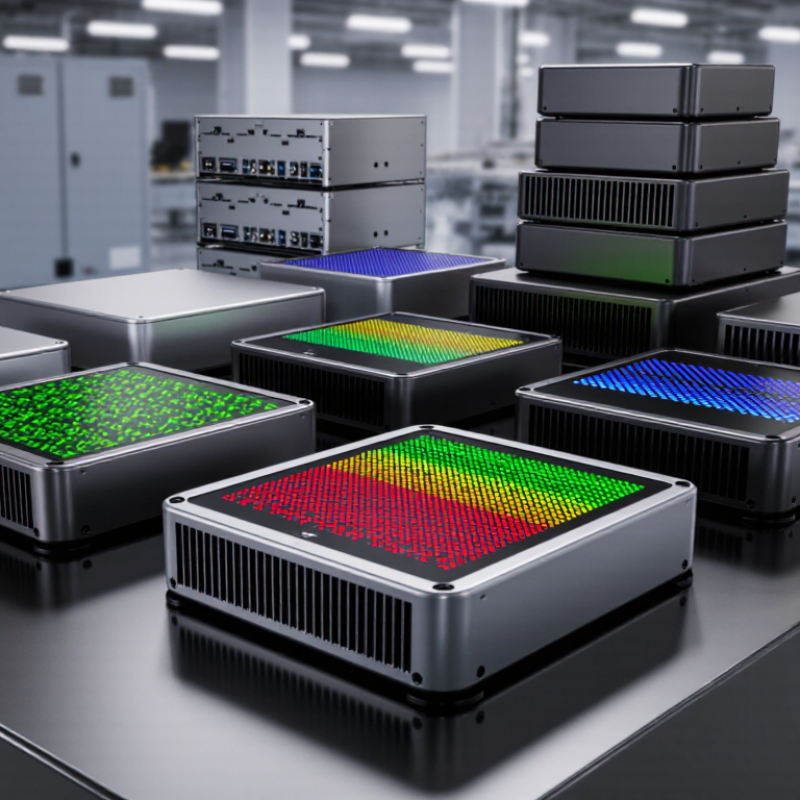
An LED display module is the working unit behind a large digital screen. It combines light-emitting diodes, a circuit board, driver chips, and protective materials. Modules connect inside cabinets, allowing technicians to replace damaged sections without rebuilding the entire display.
For global buyers, the application determines the correct module design. Fine-pitch modules suit indoor control rooms, retail walls, and meeting spaces. Outdoor advertising and stadium screens need higher brightness, stronger sealing, and reliable heat management. Pixel pitch affects viewing distance. Refresh rate matters for cameras and live broadcasts. In humid regions, surface protection and drainage deserve close attention. A lower price can become expensive when spare modules are unavailable.
Tips: Ask for module samples before approving a large order. Check brightness, color consistency, power use, viewing angle, and front or rear service access. Request test reports, clear warranty terms, and replacement-part guidance. Confirm packaging quality for long-distance shipping. Also, verify electrical ratings and installation requirements with qualified local professionals. Small details matter.
Good manufacturers explain these limits instead of promising perfect performance. Real installations are rarely perfect. A screen may show slight color variation after long use, especially without regular calibration. Buyers should compare technical data with actual viewing conditions, climate, maintenance skills, and content needs. This practical review supports safer decisions and more dependable global applications.
| Module Category | Typical Pixel Pitch | Common Module Size | Approximate Pixel Density | Typical Viewing Distance | Indoor / Outdoor Use | Common Applications | Important Buying Considerations |
|---|---|---|---|---|---|---|---|
| Fine-Pitch Indoor Module | P0.9–P1.5 | Commonly 250 × 250 mm or similar cabinet-compatible formats | Approximately 444,000–1,235,000 pixels/m² | About 1–3 m | Primarily indoor | Control rooms, broadcast studios, premium meeting rooms, museums and high-end retail | Check low-brightness uniformity, gray-scale performance, front-service access, cabinet flatness and camera-friendly refresh performance. |
| Standard Indoor Module | P1.8–P2.5 | Commonly 320 × 160 mm or 250 × 250 mm | Approximately 160,000–309,000 pixels/m² | About 2–5 m | Indoor | Corporate lobbies, conference rooms, shopping centers, education facilities and indoor advertising | Evaluate color consistency, viewing angle, noise level, power efficiency and spare-module compatibility. |
| Indoor Rental Module | P2.6–P3.9 | Commonly 250 × 250 mm or 500 × 500 mm cabinet systems | Approximately 65,000–148,000 pixels/m² | About 3–8 m | Indoor; selected products support semi-outdoor use | Concerts, exhibitions, conferences, product launches and temporary event stages | Prioritize lightweight cabinets, quick-lock systems, corner protection, fast assembly and front or rear maintenance options. |
| Outdoor Advertising Module | P4–P6.7 | Commonly 320 × 160 mm | Approximately 22,500–62,500 pixels/m² | About 5–15 m | Outdoor | Building facades, roadside billboards, shopping districts, public plazas and transport advertising | Confirm high-brightness output, outdoor sealing, UV-resistant materials, surge protection, heat dissipation and wind-load design. |
| Outdoor Fixed-Installation Module | P6.7–P10 | Commonly 320 × 160 mm or project-specific formats | Approximately 10,000–22,500 pixels/m² | About 8–25 m | Outdoor | Large building signs, stadium perimeters, highways, airports and long-distance public information displays | Review cabinet drainage, corrosion resistance, IP protection, brightness control, maintenance access and structural certification. |
| Transparent LED Module | Typically P3.9–P10 | Varies by transparent panel and project design | Varies according to pixel pitch and transparency ratio | About 4–20 m | Indoor or outdoor, depending on enclosure design | Glass curtain walls, retail windows, airports, stage backdrops and architectural media façades | Compare transparency, brightness through glass, wind resistance, installation method, rear maintenance and visual impact on the building. |
| Flexible LED Module | Typically P1.8–P4.0 | Flexible formats; often based on magnetic or bendable structures | Approximately 62,500–309,000 pixels/m² | About 2–8 m | Usually indoor; outdoor use requires suitable protection | Curved columns, creative installations, museums, stage designs and irregular architectural surfaces | Check minimum bending radius, module recovery after installation, magnetic strength, heat management and long-term mechanical stability. |
| Perimeter Sports Module | Typically P6–P10 | Often 960 × 960 mm or cabinet-based systems | Approximately 10,000–27,800 pixels/m² | About 8–25 m | Outdoor | Football, basketball, cricket and other stadium advertising or scoring environments | Look for soft masks, impact protection, adjustable tilt, high refresh rate, waterproof construction and safe maintenance procedures. |
| High-Brightness Outdoor Module | Typically P5–P10 | Commonly 320 × 160 mm | Approximately 10,000–40,000 pixels/m² | About 6–25 m | Outdoor | Direct-sunlight signage, transportation hubs, public information systems and large commercial displays | Verify calibrated brightness, automatic light-sensor control, thermal performance, energy consumption and compliance with local electrical regulations. |
| Service and Replacement Module | Must match the existing display pitch | Must match the installed module dimensions and mounting system | Must match the original pixel configuration | Determined by the existing display | Indoor or outdoor | Display repairs, phased upgrades, maintenance inventories and emergency replacement programs | Match pixel pitch, scan mode, driver IC, connector layout, voltage, polarity, cabinet dimensions and calibration data before ordering. |
Technical values are representative industry ranges. Actual specifications vary by LED package, driver IC, scan mode, cabinet design, operating environment and project configuration. Pixel density is calculated from pixel pitch and may differ slightly from the finished display system.