How to Choose the Best Waterproof Micro Switch for Your Needs?
When selecting a Waterproof Micro Switch, it’s crucial to consider various factors. Industry expert Dr. Emily Carter states, "A well-chosen waterproof micro switch can enhance device longevity." Her insight highlights the significance of choosing the right switch for specific applications.
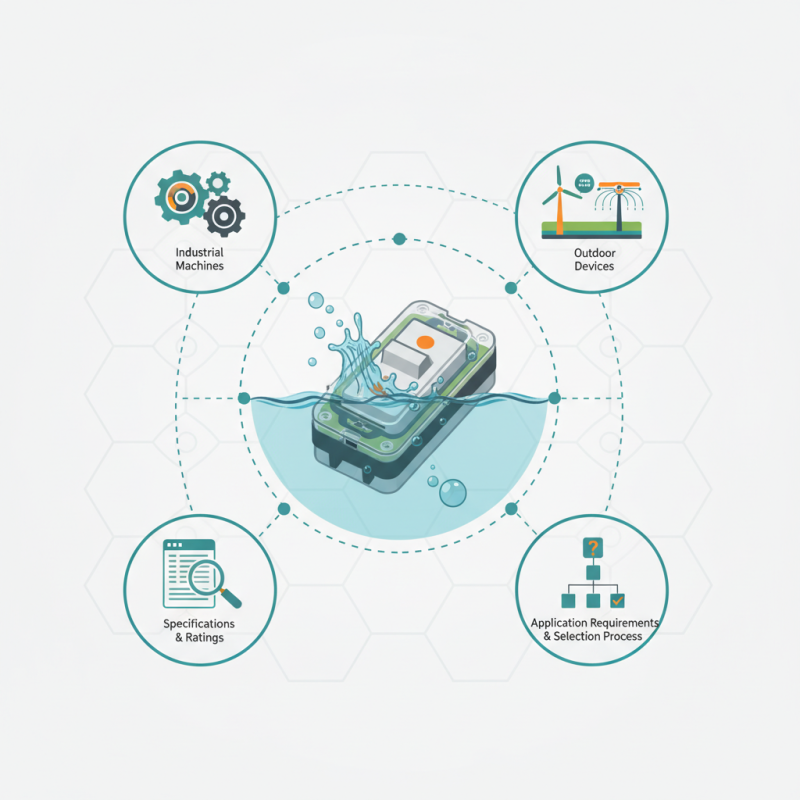
Waterproof Micro Switches are vital in environments exposed to moisture or debris. Whether used in industrial machines or outdoor devices, a reliable switch ensures optimal performance. The right choice impacts not only durability but also overall functionality.
However, the market is flooded with options. Not all switches are created equal. Users often face challenges in making informed decisions. Understanding the specifications and ratings is essential. Choosing based on recommendation alone may not suffice. It is essential to assess the unique requirements of each application before making a purchase.
Understanding the Basics of Waterproof Micro Switches
Waterproof micro switches are essential for various applications. They protect against moisture, dust, and other elements. Understanding their basics helps in making informed choices. These switches often have sealed housings and specific ratings for water resistance. Some may withstand splashes while others endure full submersion. Knowing your requirements is crucial.
Material choice matters. Many switches use plastic or metal for durability. Corrosion resistance is essential in humid environments. Look for switches with reliable seals to ensure longevity. Testing specifications against real-world scenarios can help find the right fit. Sometimes, a switch may seem perfect but fails under extreme conditions. Be cautious about the ratings provided.
Size and actuation force are other factors. Smaller switches are ideal for compact devices. However, they may require delicate handling. Actuation force affects usability; too much force can lead to user fatigue. Balancing these considerations can be challenging, but it's necessary for functionality. Always reflect on the specific needs for each application.
Identifying Your Specific Application Requirements
When selecting a waterproof micro switch, understanding your application requirements is crucial. Think about where you will use it. Different environments demand different levels of protection and durability. For instance, if it’s for outdoor use, look for a switch with a high IP rating. A rating of IP67 might be necessary for complete dust and water resistance.
Consider the specific functions you need. Does your application require momentary or toggle action? Will it be subjected to frequent use? The switch’s rate of operation can influence its lifespan. It’s also essential to think about the electrical load the switch will handle. Choosing a switch without rated specifications can lead to premature failure.
Don’t forget the integration aspect. Measurement variations between components can lead to installation challenges. This might affect the switch's response time or functionality. Take time to visualize how the switch fits within your setup. A poorly integrated switch could hinder your whole project. Pay attention to these details to avoid setbacks.
Evaluating Different Waterproof Ratings and Standards
Choosing the right waterproof micro switch involves understanding various waterproof ratings and standards. These ratings determine how well a switch can withstand exposure to moisture, dust, and other environmental factors. The Ingress Protection (IP) rating is critical in this evaluation. It consists of two digits. The first digit measures protection against solid objects, while the second digit indicates resistance to water.
For example, an IP67 rating means complete dust protection and immersion in water up to one meter. However, not all applications require such robust features. It’s essential to consider the environment where the switch will be used. Will it face heavy rain, splashes, or only occasional moisture? Often, a lower rating might suffice, saving costs without sacrificing functionality.
Additionally, reviewing operational standards is crucial. Some switches may be rated for specific temperatures or chemical exposure. Ignoring this can lead to premature failure. Take time to reflect on your needs and the conditions your switch will endure. By evaluating these factors, you can choose a waterproof micro switch that genuinely fits your requirements without overspending or under-preparing.
How to Choose the Best Waterproof Micro Switch for Your Needs?
Evaluating Different Waterproof Ratings and Standards
| Rating Standard | Waterproof Rating | Typical Applications | Test Method |
| IP67 | Protected against immersion in water up to 1 meter for 30 minutes | Outdoor electronics, industrial equipment | Submersion Test |
| IP65 | Protected against water jets | Outdoor lighting, automotive applications | Water Jet Test |
| IP54 | Protected against limited dust ingress and splashing water | Home appliances, light industrial use | Splash Test |
| NEMA 4 | Protection against splashing or hose-directed water | Washdown applications, food processing | Hose Test |
Comparing Materials and Durability Features
When selecting a waterproof micro switch, materials and durability are key factors. A switch made from high-quality plastics can resist moisture and temperature fluctuations. Stainless steel components can offer excellent corrosion resistance, ideal for harsh environments. Each material has its strengths, but also some weaknesses to consider.
For example, nylon is lightweight and resistant to water but can degrade under UV exposure. Similarly, metal switches provide durability but may rust if not properly coated. Consider the operating conditions. If the switch will be exposed to chemicals, ensure it’s compatible with those substances.
Testing the switch under real-world conditions can reveal unknown weaknesses. Sometimes, the specifications on paper do not reflect actual performance. Factors like humidity, pressure, and contaminants can impact functionality. Feedback from prior users can also provide insights. Always remember, even the best materials may fail if improperly installed.
Comparison of Waterproof Micro Switch Materials and Durability Features
Assessing Size, Mounting Options, and Wiring Needs
When selecting a waterproof micro switch, size plays a critical role. The dimensions need to fit within your design specifications. Micro switches vary in size, often measured in millimeters. For example, a commonly used size is 12mm x 12mm. However, ensure you consider available space in your application. A switch that is too large may lead to an awkward fit, while one that is too small might not offer the durability required.
Mounting options are another essential factor. Different micro switches provide various mounting styles—through-hole, surface mount, or panel mount. Reports suggest that nearly 30% of installation failures are linked to incorrect mounting choices. Taking the time to choose the right style can enhance reliability. Additionally, ensure the mounting hardware is capable of withstanding environmental stresses, especially in high-humidity situations.
Wiring needs must not be overlooked. Look into the switch’s terminal type—screw, solder, or quick-connect. A 2021 industry survey indicated that improper wiring leads to a significant percentage of malfunctions. Evaluate your setup and preferences. A well-planned wiring configuration can prevent operational mishaps. Remember that even small mistakes in wiring can result in significant issues later on. Be diligent and don’t rush this part of the process.