Why Choose Coiled Steel Tubing for Your Next Project?
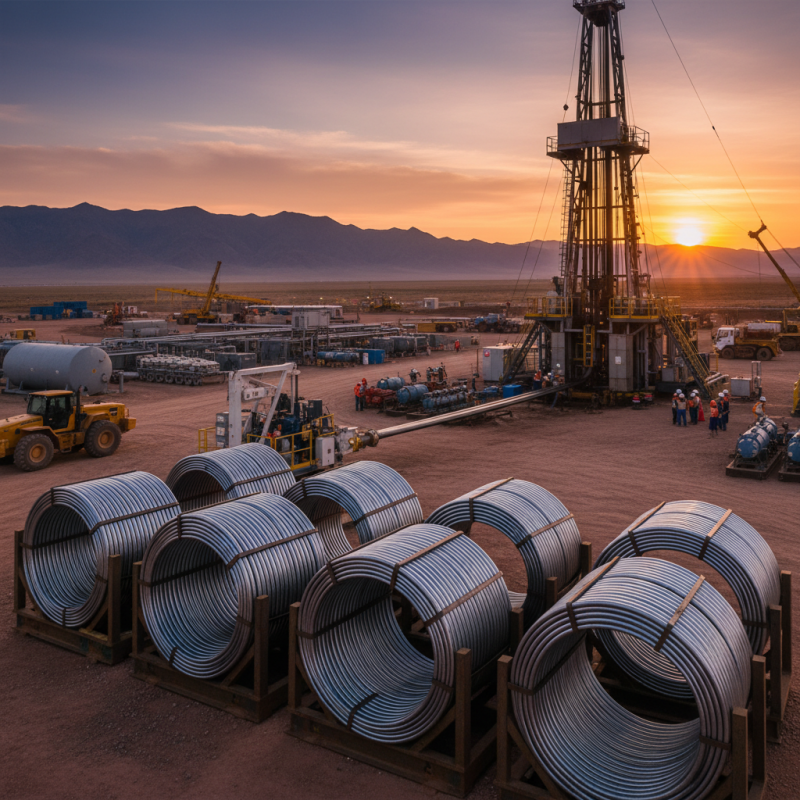
Coiled Steel Tubing has emerged as a pivotal choice in various industries, especially in oil and gas exploration. According to a recent report by the American Petroleum Institute, the demand for coiled steel tubing is expected to grow by 15% over the next five years. This material offers remarkable flexibility and efficiency, making it ideal for complex drilling projects.
The inherent strength of Coiled Steel Tubing allows for a reduction in the number of joints, which can enhance safety and decrease the risk of failure. Moreover, its lighter weight compared to conventional steel tubing can lead to significant savings in transportation costs. Yet, some professionals argue that the initial investment for coiled tubing equipment can be considerable.
Despite these challenges, many experts emphasize its long-term benefits in operational efficiency. A well-cited study found that companies using Coiled Steel Tubing reported a 25% decrease in operational delays. These statistics highlight the value of selecting coiled tubing, especially in competitive markets where time and quality are paramount.
Benefits of Coiled Steel Tubing in Various Industries
Coiled steel tubing has gained traction in many industries due to its versatility and efficiency. In the oil and gas sector, it plays a crucial role. It facilitates the efficient transport of fluids and gases. This reduces risks involved in drilling and extraction processes. Coiled tubing systems can be spooled off a reel, allowing for quick deployment and retrieval. The adaptability of this material can enhance production efficiency.
In the construction industry, coiled steel tubing is valued for its strength and lightweight characteristics. It is used in structural applications and as reinforcement in concrete. The coiled design helps in reducing the need for joints, creating a more continuous structure. This can lead to more durable buildings with fewer weak points. However, its higher upfront cost compared to traditional methods may make some hesitant. Balancing cost and benefits is essential for project planners.
Manufacturing sectors have also found creative uses for coiled steel tubing. It can be used in creating complex shapes and designs due to its flexibility. This offers engineers the chance to innovate. Yet, not all applications may suit its properties perfectly. Some might face challenges in forming intricate designs. Continuous evaluation and adaptation are key to maximizing its benefits in these contexts.
Why Choose Coiled Steel Tubing for Your Next Project? - Benefits of Coiled Steel Tubing in Various Industries
| Industry | Benefits of Coiled Steel Tubing | Applications |
| Oil and Gas | High resistance to pressure and corrosion, able to handle harsh environments | Downhole tubing, flowlines |
| Construction | Lightweight, easy to install, reductions in site time | Structural support, scaffolding |
| Automotive | Flexible design options, improved durability | Chassis components, fuel lines |
| Manufacturing | Consistency in dimensions, reduced waste | Piping systems, hydraulic lines |
| Aerospace | High strength-to-weight ratio, resistance to fatigue | Fuel tanks, landing gear components |
Key Properties of Coiled Steel Tubing for Project Efficiency
Coiled steel tubing offers unique advantages for various projects. Its lightweight nature reduces transport costs. The ability to quickly and easily deploy it makes it a favorite among many industries. According to a recent industry report, coiled steel tubing can increase project efficiency by up to 30%. This efficiency is crucial when time is money.
One key property of coiled steel tubing is its resistance to corrosion. This is especially important in environments where moisture is prevalent. Studies show that projects utilizing corrosion-resistant materials can see a 50% decrease in maintenance costs over time. However, it is essential to consider environmental impacts, as improper disposal can still pose risks.
Flexibility is another significant feature of coiled steel tubing. It can be bent and maneuvered to fit different project needs. Yet, this flexibility can also lead to installation challenges. Careful planning is necessary to avoid costly errors. Overall, while coiled steel tubing has clear benefits, awareness of its limitations is vital for successful project execution.
Comparative Analysis: Coiled Steel Tubing vs. Traditional Steel Tubing
Coiled steel tubing offers distinct advantages over traditional tubing for various projects. It is lighter and easier to handle, which can reduce labor costs. Coiled steel also minimizes the number of joints required in piping systems, leading to less potential for leaks. This is particularly important in projects demanding high reliability and efficiency.
Tip: Always assess the specific needs of your project. Consider the environment, pressure requirements, and length of runs. The flexibility of coiled tubing can accommodate tight spaces and complex layouts. However, it may require specialized machinery for installation. This can be a challenge for teams accustomed to traditional methods.
Another factor to ponder is the cost. Coiled steel tubing can sometimes be more expensive upfront. However, its benefits often yield long-term savings. For example, lower maintenance costs can offset those initial investments. But it's crucial to do your math before deciding which option aligns with your budget.
Tip: Evaluate your team's expertise with both types of tubing. Training may be necessary for coiled steel applications. A knowledgeable workforce is essential for maximizing the benefits it offers. Keep in mind that the shift in methodology can bring growing pains.
Application Scenarios Where Coiled Steel Tubing Excels
Coiled steel tubing offers unique advantages in various applications. Its flexibility makes it suitable for projects requiring extensive reach, such as in oil and gas drilling. According to recent industry reports, coiled tubing can reduce rig time significantly, sometimes by up to 30%. This efficiency can lead to substantial cost savings for energy companies. Moreover, its lighter weight allows for easier transportation and handling on-site.
In hydraulic fracturing, coiled steel tubing excels due to its ability to navigate complex wellbore paths. This adaptability enables operators to deliver fluids or gases effectively. A study by the Society of Petroleum Engineers demonstrates that using coiled tubing can enhance the stimulation of oil and gas reservoirs, improving overall recovery rates.
Tip: Always consider the environment in which the tubing will be used. Factors like temperature and pressure can affect its performance. Additionally, while coiled steel tubing has many advantages, improper handling can lead to kinks or damage. Regular inspection and maintenance are essential.
Cost-Effectiveness of Using Coiled Steel Tubing for Projects
Coiled steel tubing stands out for its cost-effectiveness in various projects. The manufacturing process is efficient, allowing for reduced material waste. This translates to substantial savings for businesses aiming to optimize expenses. Coiled tubing can be produced in long lengths, minimizing the need for joints and connections. Fewer joints mean fewer potential points of failure, enhancing reliability while keeping costs in check.
Another cost-saving aspect is the ease of transportation. The coiled design allows for compact storage and easier handling, reducing logistics costs. Projects can benefit from faster deployment times due to simpler setups. Additionally, the durability of coiled steel tubing ensures lower maintenance expenses over time. Contractors may need to reflect on their material choices. They might overlook the long-term savings coiled tubing offers compared to traditional piping.
However, it's essential to assess specific project needs before choosing coiled steel tubing. While it has many advantages, some applications might require alternative materials. Evaluation of the project scope and conditions can help determine the best approach. Not all projects will benefit equally from coiled tubing, and careful consideration can avoid potential pitfalls.
Cost-Effectiveness of Coiled Steel Tubing