Skip to content

How to Choose a Road Marking Machine in 2026?

Choosing a Road Marking Machine in 2026 requires more than comparing prices and engine power. Pavement projects now demand accurate lines, faster curing, lower material waste, and dependable operation in changing weather. A machine that performs well on a dry airport apron may struggle on rough urban asphalt. That difference matters.

Road-marking equipment consultant Daniel Weber explains, “The best machine is not the strongest one; it is the one that stays consistent when conditions change.” His view reflects a practical truth. Buyers should examine application method, line width control, pressure stability, bead distribution, and cleaning access. Airless sprayers may suit sharp edges and high production rates. Thermoplastic machines can support durable markings but require careful heating control. Smaller walk-behind units may offer better maneuverability around intersections, symbols, and narrow lanes.

Small details decide results.

The selection process should also consider crew experience, daily marking distance, fuel or battery access, spare parts, and local climate. A sophisticated Road Marking Machine can still underperform when operators lack training or replacement parts arrive slowly. Surface moisture, dust, and uneven pavement can affect adhesion and appearance. These limits are easy to underestimate. They deserve honest attention.

This guide compares essential machine types, technical specifications, operating costs, and maintenance demands. It also examines real jobsite conditions rather than relying only on catalog figures. No machine is perfect. A field trial may reveal weaknesses that a brochure hides. The safest choice combines measurable performance, supplier support, and realistic project needs.
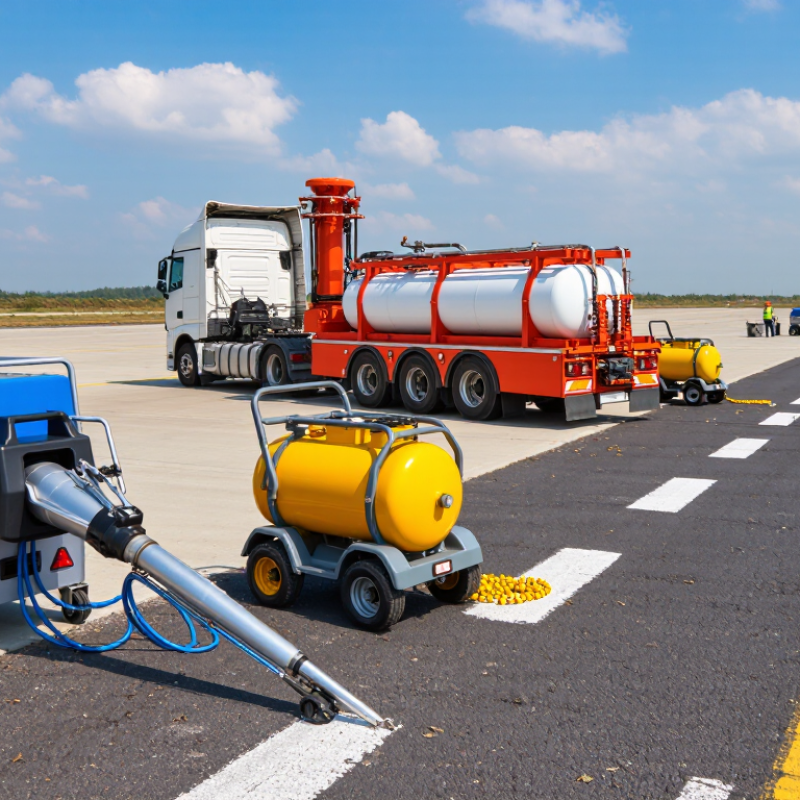
How to Choose a Road Marking Machine in 2026?

Define the Road Marking Project and Operating Requirements

How to Choose a Road Marking Machine in 2026?

Define the Road Marking Project and Operating Requirements

Choosing a road marking machine starts with defining the project, not comparing machine specifications. Measure road length, marking width, line pattern, surface type, and daily output. A two-kilometre urban repair differs greatly from a long, uninterrupted highway job. Record curves, intersections, slopes, patchwork, and access limits before selecting equipment. Fresh asphalt, aged concrete, and dusty shoulders demand different preparation and application control. Also identify the material: water-based paint, thermoplastic, or another approved pavement marking compound. Each option affects heating, pressure, cleaning, drying time, and operator training.

Small details matter.

Operating requirements turn this survey into practical machine criteria. For narrow streets, choose a compact unit with accurate steering and simple controls. For extended routes, prioritize tank capacity, refill access, fuel efficiency, and consistent line output. Check whether one operator can manage speed, spray pressure, glass bead delivery, and emergency stopping safely.

Measure the power source, transport method, storage space, and cleaning facilities at the work site. Ask how quickly the machine can change line widths without creating uneven edges. A test section of 20 to 30 metres can expose vibration, overspray, or poor adhesion.

Do not trust a brochure alone. Weather may change the plan. Wind, humidity, and surface temperature can disrupt an otherwise careful application.

A sensible specification leaves room for correction, because the first estimate is rarely perfect.

Compare Road Marking Machine Types and Application Methods

Choosing a road marking machine in 2026 requires more than comparing engine power. The marking material and application method matter just as much. Airless spray machines apply paint quickly and create clean, narrow lines. They suit highways, parking areas, and large maintenance projects. However, wind can affect spray control, and overspray may waste material.

Thermoplastic machines use heat to melt durable marking material before application. Screed or extrusion methods produce thick lines that resist heavy traffic. They work well for intersections, pedestrian crossings, and busy roads. Cold paint machines are easier to operate and maintain. Two-component systems offer strong adhesion, but they demand careful mixing and accurate timing. A walk-behind unit improves control on small sites, while a ride-on machine reduces fatigue on long routes. I have seen operators choose speed over surface preparation. That decision often creates weak edges and early peeling.

Tips: Match the machine to line width, material, traffic, and weather. Check nozzle size before spraying. Keep the surface dry, clean, and free from loose dust. Use glass beads only when the system supports them. Test a short section first. Small tests prevent expensive mistakes. Do not ignore operator training; even a reliable machine produces poor markings when pressure, speed, or heating is inconsistent. Record temperature, material use, and drying time during each project. These notes reveal problems that appearance alone may hide.

How to Choose a Road Marking Machine in 2026?

Compare road marking machine types and application methods by their typical operating speed. Higher-speed systems are generally better suited to long roads and highways, while compact machines offer better control for urban streets, repairs, and small projects.

The speeds shown are indicative field operating ranges for common road-marking applications. Actual productivity depends on line width, paint or thermoplastic curing time, surface condition, traffic management, operator skill, and the number of spray guns or screed outlets.

Evaluate Key Machine Features, Accuracy, and Productivity

How to Choose a Road Marking Machine in 2026?

Accuracy should lead the buying decision, not advertised spraying speed. A two-millimeter offset can weaken lane guidance across a long road section. Check the machine’s line-width control, bead distribution, pressure stability, and automatic spacing system. The FHWA’s 11th edition MUTCD, published in 2023, emphasizes consistent pavement-marking patterns, colors, and visibility management. Choose equipment that records application settings, material usage, and operator adjustments.

Productivity still matters. Measure usable output, not the brochure’s maximum speed. A machine with a 200-liter tank may reduce refilling, but extra weight can slow turning and transport. Compare gallons per hour, cleaning time, setup time, and daily completed lane miles. The U.S. National Highway Traffic Safety Administration reported 40,901 roadway deaths in 2023. The figure does not prove that machines caused those outcomes, but it shows why reliable markings deserve careful investment.

Test before committing. Ask operators to stripe curves, intersections, patched pavement, and narrow lanes. Watch the first ten minutes closely. Does the line start cleanly? Does pressure remain stable when the tank level falls? I would also inspect the gun assembly after several hours, because small leaks can distort width and waste material. The World Health Organization recorded about 1.19 million annual road traffic deaths worldwide in its 2023 global report. A faster machine is not automatically better. Sometimes, the quieter and more controllable machine produces the safer working result.

How to Choose a Road Marking Machine in 2026? - Evaluate Key Machine Features, Accuracy, and Productivity

Practical comparison of common road marking machine categories using typical operating ranges and selection criteria.

Road Marking Machine Selection Matrix — Typical Specifications and Field Considerations
Machine category Best application Typical material Typical operating speed Typical output Line-width control Accuracy considerations Productivity rating
Hand-push airless sprayer Small repairs, parking lots, symbols, and short edge lines Water-based or solvent-based traffic paint 3–8 km/h Approximately 100–400 m of line per hour, depending on width and layout Usually adjustable from about 50–300 mm Operator walking path, surface condition, tip wear, and pressure stability Basic
Self-propelled airless machine Municipal roads, medium-size parking areas, and regular maintenance work Traffic paint, waterborne coatings, and selected low-viscosity materials 5–12 km/h Approximately 300–900 m of line per hour under normal site conditions Commonly 50–450 mm with interchangeable spray tips Constant travel speed and electronic or mechanical pressure control improve consistency Good
Ride-on airless striper Large parking facilities, airports, highways, and high-volume line marking Traffic paint and compatible waterborne or solvent-based coatings 6–16 km/h Approximately 800–2,000 m of line per hour, depending on configuration Single or multiple guns; typically 50–600 mm per line Straight-line guidance, automatic gun triggering, and stable chassis alignment are important Very good
Thermoplastic screed machine Durable highway markings, crosswalks, arrows, legends, and thick-profile lines Hot-applied thermoplastic 3–10 km/h Approximately 150–700 m of line per hour, depending on thickness and design Often 100–600 mm; bead application may be integrated Material temperature, screed height, pavement profile, and bead distribution affect uniformity Good
Two-component cold-plastic machine High-durability markings, textured lines, symbols, and heavy-traffic locations Two-component cold plastic, MMA, or similar reactive material 3–12 km/h Approximately 200–900 m of line per hour, depending on pattern and curing system Commonly 50–600 mm with spray, extrusion, or structured application options Accurate component ratio, mixing quality, nozzle condition, and material temperature are critical Very good
Preformed marking applicator Logos, directional arrows, legends, patches, and detailed road symbols Preformed thermoplastic or similar factory-produced marking material 1–5 km/h Approximately 20–150 m² per hour, depending on design and installation method Determined mainly by the supplied marking dimensions Placement accuracy, substrate cleanliness, heating consistency, and alignment control determine results Specialized
Accuracy checklist
Look for adjustable line width, stable pressure, consistent travel speed, gun-height control, and a reliable line-guidance system.
Productivity checklist
Compare usable output rather than maximum speed. Include setup, refilling, cleaning, curing time, and repositioning between work areas.
Material compatibility
Confirm pump, hose, gun, heating, mixing, and cleaning-system compatibility with the exact marking material required for the project.

Note: Operating speeds and output figures are typical planning ranges, not guaranteed production rates. Actual performance varies with pavement condition, line layout, material properties, weather, operator skill, and required marking thickness.

Check Power Systems, Mobility, Maintenance, and Safety

How to Choose a Road Marking Machine in 2026?

Power affects more than operating speed. Electric systems suit quieter urban projects and enclosed storage areas. Engine-powered systems may support longer shifts, but fuel handling and ventilation require attention. Check battery capacity, charging time, motor response, and performance under load. A machine that slows during thick application can create uneven lines and wasted material. Test it cold. Do not trust the brochure alone.

Mobility matters on real roads. Choose wheels that roll steadily across rough asphalt, ramps, and shallow edges. Adjustable handles can reduce wrist strain during long markings. Confirm the turning radius before working near curbs or parked vehicles. In practical field checks, operators often underestimate machine width. That mistake makes narrow sections frustrating. Keep it simple. A clear control panel also reduces training time and operating errors.

Maintenance should be visible and practical. Inspect access points, filters, hoses, spray tips, and cleaning steps before purchase. Parts should be easy to identify and replace without unusual tools. Safety features deserve equal attention. Look for stable brakes, guarded hot surfaces, emergency stopping controls, and clear visibility around the nozzle. Wear suitable protective equipment and follow the machine’s instructions. One detail is easy to miss: test cleaning after a full work cycle, not only when the unit is new. Reliability is proven through repeated use, careful records, and honest feedback from operators.

Assess Total Cost, Supplier Support, and Long-Term Value

How to Choose a Road Marking Machine in 2026?

Assess Total Cost, Supplier Support, and Long-Term Value

Choosing a road marking machine in 2026 requires more than comparing purchase prices. A low-cost unit may consume extra paint, wear nozzles quickly, or need frequent calibration. Ask for a full cost model covering equipment, transport, training, spare parts, labor, and downtime. Real figures matter. Measure paint use on a typical 1,000-meter route before approving the purchase.

Supplier support can protect productivity when conditions change. Request response times, technician availability, parts inventory, and clear warranty terms. A useful supplier should explain pressure settings, cleaning routines, and safe storage without hiding limitations. Test this relationship before signing. Ask for a demonstration on rough asphalt, tight curves, and damp morning surfaces. If support exists only by email, your crew may lose a full shift waiting.

Long-term value depends on consistency, repairability, and operator confidence. Choose controls that workers can learn quickly and inspect without specialized tools. Record line width, bead coverage, fuel or battery use, and repair frequency during the first season. The first estimate may be wrong. Weather, traffic, and inexperienced operators can expose assumptions that looked sensible in a spreadsheet. Leave room for feedback, replacement parts, and gradual process improvements. A reliable maintenance record often reveals more than a polished sales quotation.