How to Choose the Best Garden Lamps for Your Outdoor Space?
Choosing the right Garden Lamps can transform your outdoor space significantly. Recent studies show that well-lit gardens can increase property value by up to 20%. Effective lighting enhances safety and extends usability, allowing homeowners to enjoy their gardens long after sunset.
Understanding the different types of garden lamps is essential. Solar-powered options are environmentally friendly and low-maintenance. However, they may not always provide sufficient illumination. LED garden lamps offer energy efficiency and durability but often come at a higher initial cost. Knowing the pros and cons of each type will guide your decision.
Moreover, the choice of garden lamps should reflect personal style and functionality. A mismatch between style and lighting can detract from the overall appeal. Consider how the lamps will complement your existing landscape. While finding the perfect solution can be challenging, thoughtful choices yield rewarding results. Selecting the best garden lamps requires reflection on your unique needs and preferences.
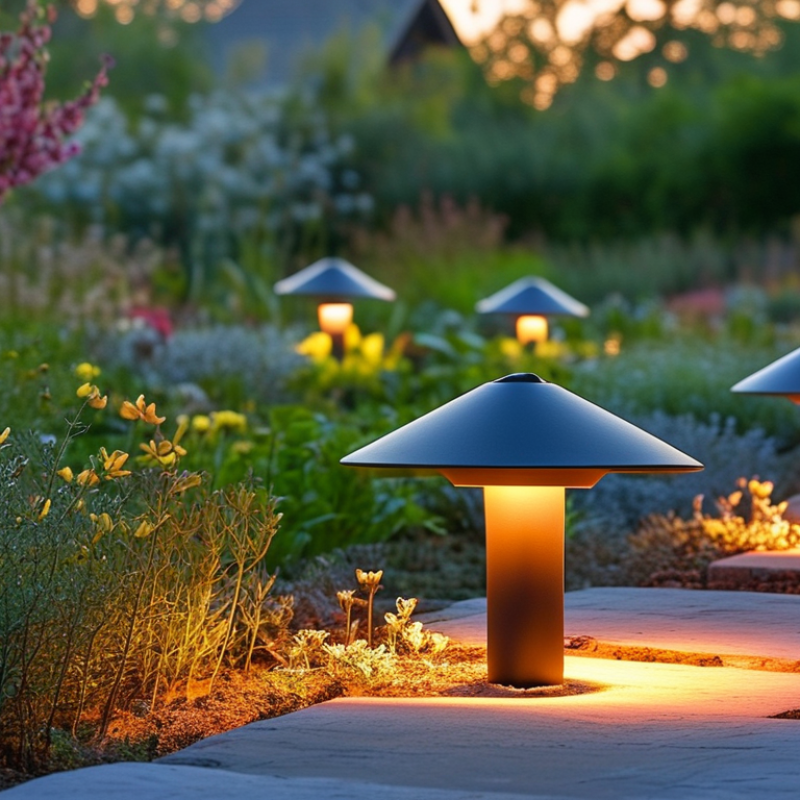
Understanding the Different Types of Garden Lamps Available
When choosing garden lamps, understanding the types available is crucial. Solar lamps are popular for their eco-friendliness. They absorb sunlight during the day and illuminate your garden at night. However, their brightness can vary based on the location and hours of sunshine received.
Another option is LED lamps. They are energy-efficient and long-lasting. LED lights offer plenty of brightness and come in various styles. You can find sleek modern designs or more traditional looks. A challenge with them is that they often require an electrical source, which may limit placement.
Pathway lights are excellent for guiding guests through your garden. They enhance safety and aesthetic appeal. However, not all pathway lights are waterproof. Consider materials carefully to prevent potential damage from the elements. Lastly, think about lanterns, which can add charm. They also create a cozy ambiance but may require constant maintenance. Balancing aesthetics and practicality is essential for any outdoor space.
Evaluating the Brightness and Light Color for Your Garden Needs
Choosing the right garden lamps involves understanding brightness and light color. Brightness is measured in lumens. Higher lumens mean brighter light. But too much brightness can be harsh, affecting evening relaxation. Balancing brightness can create a peaceful ambiance.
Light color is equally important. Warm white light creates a cozy atmosphere. It’s ideal for relaxation areas. Cool white light is better for task-oriented spaces. Think about where the lamps will be placed. This helps in deciding the right color temperature to set the mood.
Tips: Consider using dimmable lights for flexibility. This allows you to adjust the brightness as needed. Combine different types of lighting for depth. Use spotlights for focal points and ambient lights for coverage. Always test a few options before committing. This trial-and-error approach can lead to unexpected discoveries in your outdoor space.
Considering the Power Source: Solar, Electric, or Battery-Powered Options
Choosing the right power source for your garden lamps can significantly impact their functionality and appearance. Solar lamps harness sunlight during the day. They provide energy-efficient lighting at night. However, they may not perform well in shady areas. Battery-powered options are versatile. They can be placed anywhere, but battery life can be a concern. Electric lamps offer continuous power. They can illuminate large areas but require wiring and a power source.
When selecting lamps, consider your lifestyle and location. Solar lamps are ideal if you want a low-maintenance option. They require less installation effort. Battery-powered lamps can be practical for occasional use. They often come in decorative designs. Electric lights work well for high-traffic areas and consistent use.
Tips: Assess the daily sunlight in your garden. Before purchasing solar lamps, ensure adequate exposure. Test battery-powered lamps in different locations. Check their brightness and run time. Electric options may need professional installation. Plan for potential wiring hazards. Reflect on how you use your outdoor space. Make sure your choice aligns with your needs.
Assessing the Design and Style for Aesthetic Coherence
When choosing garden lamps, aesthetics play a crucial role. Consider the overall design of your outdoor space. The goal is to create coherence between your lamps and existing elements. For instance, select fixtures that match your garden's style, whether modern, rustic, or traditional.
Tips: Examine materials carefully. Metal finishes may suit contemporary gardens, while wood or stained glass might enhance a vintage feel. Color consistency is vital. Ensure that the lamp colors complement your plants or other garden features. Disjointed color choices can disrupt visual harmony.
Don't forget about lamp shape and height. A mix of lanterns, sconces, and string lights can add depth. Avoid overwhelming your space with different styles. Simple lamps may blend better in chaotic environments, while intricate designs can stand out beautifully in minimalist gardens. It’s essential to reflect on how each choice aligns with your vision.
Choosing the Right Size and Placement for Optimal Illumination
Choosing the right size and placement of garden lamps is crucial for achieving the desired ambiance. A well-placed lamp can enhance the beauty of your garden and ensure safety. According to the American Lighting Association, outdoor lighting should provide illumination of around 70-100 lumens per square foot. This means that for a 200 square foot patio, you would need between 14,000 to 20,000 lumens in total.
When it comes to size, consider the scale of your space. Larger gardens benefit from taller lamps that can cast light over wider areas. Conversely, smaller gardens may require compact fixtures to avoid overwhelming the space. A report by the Lighting Research Center suggests a minimum mounting height of 7 to 8 feet for path lights. This height ensures that light spreads effectively while minimizing glare.
Placement is equally important. Avoid clustering lights too closely, as this can create dark spots. Instead, distribute them evenly throughout your garden. A study indicated that strategically placed lighting can reduce accidents by up to 30%. Experimenting with the height and angle of your lamps can create dynamic effects, but be mindful of potential light pollution. Balancing illumination with darkness can highlight your garden's unique features while maintaining a natural feel.