How to Choose the Best Rail Welding Moulds for Your Needs?
Choosing the right Rail Welding Moulds can greatly impact the efficiency and quality of your welding projects. Expert Ian Morrison, a renowned specialist in the rail manufacturing sector, emphasizes, "The right mould can make all the difference in achieving consistent weld integrity." This statement highlights the significance of selecting the appropriate moulds tailored to your specific needs.
The rail welding industry demands precision and reliability. Various factors like material type, mould design, and compatibility with equipment need careful consideration. It is crucial to assess your project's requirements thoroughly. A mould that works perfectly for one application may not be suitable for another. Manufacturers offer diverse options, making choice sometimes overwhelming.
However, relying solely on specifications may lead to pitfalls. Real-world performance can differ from theoretical efficiency. Gathering feedback from previous users can provide valuable insights. Consider the intricacies of your welding tasks. Make informed decisions. Selecting the best Rail Welding Moulds is an essential step. It ensures your projects meet safety standards and achieve desired results efficiently.
Understanding Rail Welding Moulds: Types and Applications
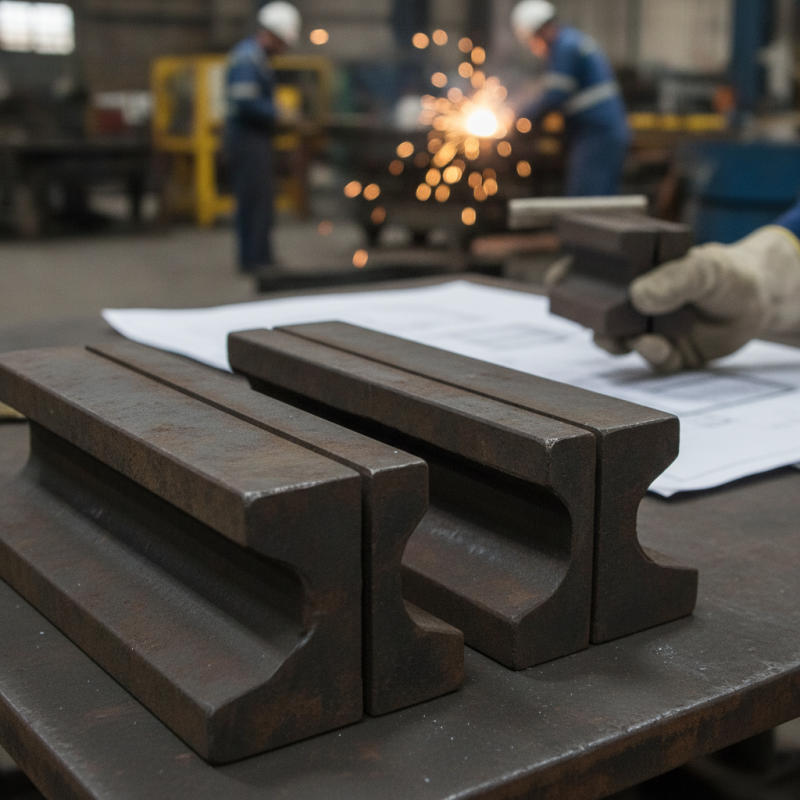
Rail welding moulds play a crucial role in ensuring the quality and durability of welded rail joints. There are several types available, each suited for specific applications. The key types include straight moulds, which are used for standard rail sections, and curved moulds, essential for creating bends in track layouts. Understanding the type of rail and the environment of application is vital.
The choice of moulds can greatly affect the efficiency of the welding process. Quality moulds are designed with precision to maintain the integrity of the rail. It's important to consider factors such as temperature resistance and ease of handling. These factors can impact the speed and quality of the welds produced. However, not all moulds are created equal, and users might encounter issues like misalignment or wear over time.
Many users find themselves reflecting on their decisions after using certain moulds. The costs can vary widely, and it's easy to opt for cheaper options that may not last. Investing in the right mould pays off in the long run, ensuring a smooth and reliable welding experience. Making informed choices based on specific needs fosters better results and enhances overall project quality.
Key Factors to Consider When Choosing Rail Welding Moulds
When selecting rail welding moulds, understanding your specific needs is crucial. Consider the material that suits your welding projects. Different materials can affect the strength and durability of the welds. Opt for moulds that have proven to perform well in your required conditions. These can impact both safety and efficiency during the welding process.
Another important aspect is compatibility. Ensure the mould you choose aligns with your existing welding equipment. This might seem straightforward, but mismatches can lead to subpar results. Many users overlook this factor, resulting in wasted time and resources.
Tips: Always test the moulds in controlled conditions before full-scale use. It helps mitigate risks associated with unforeseen issues. Additionally, gather feedback from professionals who have used various moulds. Their insights can guide your decision-making process. Don't hesitate to revisit your choices after initial tests. Improvement is part of the learning curve.
Assessing Material Compatibility for Effective Welding
Choosing the right rail welding moulds hinges significantly on material compatibility. Effective welding begins with understanding the attributes of metals involved in the process. Different materials require specific welding techniques. Misalignment in material types can lead to weakness in welds, often causing structural failures.
The American Welding Society indicates that over 30% of weld failures stem from inadequate material compatibility. Factors like thermal expansion, conductivity, and chemical properties across materials can result in poor weld integrity. For instance, mixing steel and aluminum in welding processes might not yield a durable product. Helical welding moulds can identify these mismatches beforehand.
In practical terms, consider the moulds' design for the materials’ properties. Some moulds are optimized for lighter alloys while others cater to heavier, sturdier metals. Using the wrong mould can negatively affect the overall strength of the weld. The choice becomes crucial when dealing with high-stress applications, where material failure is not an option. Understanding these dynamics can significantly influence the efficacy of your welding operations.
Evaluating Design Features for Optimal Performance
Choosing the right rail welding moulds requires an understanding of design features that enhance performance. Key factors include material selection, weight distribution, and heat conductivity. Reports indicate that moulds made from high-grade steel offer better durability, with up to 30% longer service life compared to lower-grade alternatives. Properly designed moulds can reduce warping by 25%, which is essential for maintaining weld integrity.
It's essential to assess the ease of handling and setup as well. Moulds that are excessively heavy can lead to operator fatigue. Conversely, lightweight designs contribute to improved efficiency. However, they must still maintain structural integrity under high heat. Industry experts recommend testing moulds with different weight configurations to find the optimal balance for your application.
Moreover, consider customization options. Many manufacturers provide bespoke solutions tailored to specific welding processes. This can enhance performance significantly. Yet, it's crucial to weigh the benefits against potential costs. Data from recent studies show a 15% increase in production time when using generic moulds instead of tailored ones. This underscores the importance of investing in quality design features for your welding needs.
How to Choose the Best Rail Welding Moulds for Your Needs?
| Mould Type | Material | Temperature Resistance (°C) | Weight (kg) | Ideal for |
| Standard Rail Mould | Steel | 800 | 15 | General Welding |
| Heavy-Duty Rail Mould | Alloy | 900 | 20 | High-Strength Applications |
| Lightweight Rail Mould | Aluminium | 600 | 10 | Portable Applications |
| Custom Rail Mould | Carbon Steel | 850 | 18 | Special Projects |
Cost Considerations and Budgeting for Rail Welding Moulds
When budgeting for rail welding moulds, it's important to assess your specific needs. Each project may require different types of moulds. Consider the scale of your operations and the frequency of use. A more expensive mould might offer better durability and efficiency. However, it’s essential to ensure that these advantages align with your actual production volume.
Assessing the cost also involves understanding materials and craftsmanship. High-quality materials lead to increased longevity, saving money in the long run. However, these premium moulds often have higher upfront costs. Look for potential trade-offs. Can a more affordable option still meet your standards?
Evaluate past projects to guide future purchases. Reflections on previous experiences can reveal budget pitfalls. Did you overspend on features you never used? Was a simpler design more effective? Make a list of must-haves versus nice-to-haves. This ensures you stay within budget while still meeting essential functional requirements.
Cost Considerations for Rail Welding Moulds