Why Choose a Fiber Laser Cutting Machine for Your Business?
In the rapidly evolving manufacturing landscape, the "Fiber Laser Cutting Machine" stands out as a game-changer. Experts like Dr. Emily Chen, an authority in industrial laser technologies, emphasize its significance: “Fiber laser technology offers unparalleled precision and efficiency in metal cutting.” As industries strive for innovative solutions, understanding the advantages of these machines becomes critical.
A Fiber Laser Cutting Machine provides speed and accuracy that traditional methods cannot achieve. They deliver exceptional quality in cutting intricate designs and shapes. Their operational costs are lower compared to CO2 lasers, making them an attractive investment. However, businesses must consider the learning curve and initial setup costs. Many companies underestimate the maintenance aspects that follow.
Investing in this technology requires careful thought. While the machine offers many benefits, companies should assess their specific needs. Each industry has unique challenges, and a one-size-fits-all solution rarely applies. A well-informed decision based on expertise and industry requirements will lead to long-term success with Fiber Laser Cutting Machines.
Advantages of Fiber Laser Cutting Technology in Manufacturing
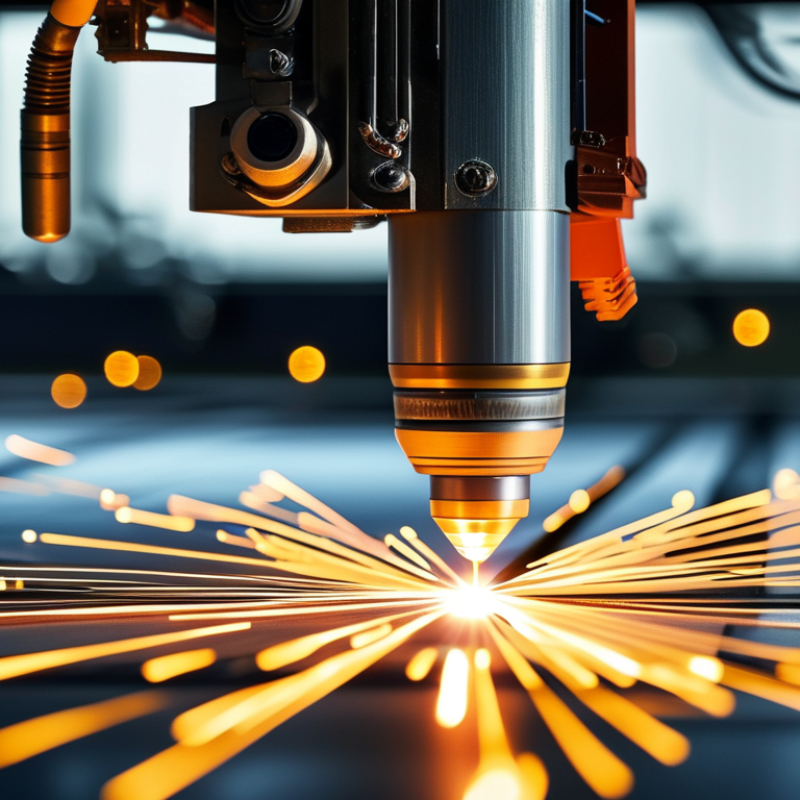
Fiber laser cutting technology is revolutionizing manufacturing processes. Its precision and speed make it an excellent choice for modern businesses. The technology uses focused light to cut materials with incredible accuracy. This results in clean edges and minimal material wastage. Additionally, fiber lasers can work with various materials, including metals and plastics, broadening their application.
One major advantage is reduced operation costs. Fiber lasers consume less energy compared to traditional cutting methods. This efficiency contributes to lower overall expenses for businesses. Moreover, the maintenance needs are minimal, promising long-term reliability. However, it's essential to invest time in training operators. Proper training ensures they can handle the equipment effectively.
Tips for getting started include evaluating your production needs and choosing the right machine. Consider factors such as material thickness and cutting speed. Review vendor specifications carefully to ensure they align with your needs. Understand that the initial investment may be significant. However, the return in efficiency can be substantial. Implementing fiber lasers could lead to improved product quality and faster turnaround times.
Cost Efficiency of Fiber Laser Cutting Machines for Businesses
Fiber laser cutting machines offer significant cost efficiency for businesses. Their operational costs are lower than traditional cutting methods. This is mainly due to their energy efficiency. Fiber laser technology consumes less power, which translates to reduced electricity bills for manufacturers.
Maintenance costs are another crucial factor. Fiber laser systems generally require less frequent maintenance, saving time and resources. They are designed for durability, which helps prevent unexpected breakdowns. Over time, this reliability contributes to a healthier bottom line. However, initial investment costs can be a barrier. Businesses should assess long-term savings versus upfront expenses carefully.
Employee training is essential but can add costs. Operators need to understand the technology to exploit its full potential. The learning curve might deter some businesses, yet those who invest in training often notice improvements in efficiency. This technology creates opportunities for growth, despite these challenges. Adopting a fiber laser cutting machine can seem daunting, but the potential benefits outweigh the risks.
Versatility and Material Compatibility of Fiber Lasers
Fiber laser cutting machines offer exceptional versatility and material compatibility for various industries. Their ability to handle diverse materials is a significant advantage. From metals like steel and aluminum to non-metals such as acrylic and wood, fiber lasers excel across the board. This adaptability allows businesses to tackle multiple projects with one machine, streamlining operations and increasing productivity.
The precision achieved with fiber lasers is remarkable. Their focused wavelength provides clean cuts and intricate details, essential for complex designs. Users often find that fine adjustments can be made easily, enabling them to respond quickly to customer demands. However, some may struggle with the initial learning curve related to programming and setup. Continuous training and practice are required to maximize efficiency.
Moreover, fiber lasers can improve overall production efficiency. Faster cutting speeds mean shorter turnaround times. Yet, this efficiency can sometimes lead to oversights in quality checks. It’s crucial for businesses to balance speed with precision. Implementing regular quality assurance processes helps mitigate this risk, ensuring that the final product meets the desired standards.
Why Choose a Fiber Laser Cutting Machine for Your Business? - Versatility and Material Compatibility of Fiber Lasers
| Material Type | Cutting Thickness (mm) | Cutting Speed (m/min) | Application Areas |
| Mild Steel | 0.5 - 20 | 15 - 25 | Automotive, Construction |
| Stainless Steel | 0.5 - 15 | 8 - 20 | Aerospace, Fabrication |
| Aluminum | 0.5 - 10 | 20 - 30 | Electronics, Packaging |
| Copper | 0.5 - 8 | 5 - 15 | Electrical Components, Jewelry |
| Brass | 0.5 - 6 | 5 - 12 | Decorative, Automotive |
Precision and Speed: Benefits of Fiber Laser Cutting
Fiber laser cutting machines are transforming industries due to their precision and speed. These machines excel in delivering fine cuts, even with intricate designs. The technology uses focused laser beams to melt or vaporize materials. This approach reduces the risk of errors typical in traditional cutting methods.
Using fiber lasers, businesses can significantly increase their productivity. Processes that once took hours can now be completed in minutes. Additionally, fiber lasers generate minimal heat, which prevents warping of sensitive materials. This efficiency helps save time and money, allowing companies to take on more projects.
Tips for optimal use include regularly maintaining the machine's optics and checking for alignment. Always use the correct settings for different materials. Training operators to understand the technology is crucial. While fiber lasers are efficient, improper usage can lead to complications. Continuous learning and adaptation are key to maximizing their advantages. Investing in quality training can make a difference in productivity and cutting quality.
Maintenance and Longevity of Fiber Laser Cutting Systems
Fiber laser cutting machines are known for their efficiency, speed, and precision. However, their longevity significantly depends on regular maintenance practices. Proper care can maximize the lifespan of these systems. Regular inspections help identify potential issues before they escalate into serious problems. Simple checks can prevent costly downtime.
Cleaning the lenses and replacing filters are vital tasks. Dust accumulation can obstruct laser beams, affecting performance. Additionally, maintaining the cooling system is crucial. A well-functioning cooling system prevents overheating, which can damage internal components. Operators should develop a routine maintenance schedule to ensure all parts remain in optimal condition.
While fiber laser cutting systems offer many advantages, neglecting maintenance can lead to inefficiencies. Unaddressed wear and tear can compromise cutting quality. It’s essential to dedicate time for both preventive and corrective maintenance. Understanding the intricacies of these machines will enhance their reliability and performance. Regularly trained personnel can significantly contribute to the longevity of the fiber laser cutting systems used in production.