Choosing the right Cylindrical Gearbox can seem daunting. With various options available, making an informed decision is crucial. A cylindrical gearbox is essential in many mechanical systems, impacting efficiency and performance significantly.
When selecting a gearbox, consider factors like load capacity, output speed, and material durability. Each specification affects the overall functionality. For example, a gearbox with inadequate load capacity can lead to premature failure. You must also evaluate the installation space and maintenance requirements.
Understanding your application's unique needs is key. Many users overlook the significance of matching the gearbox to their system. This mistake can lead to inefficient operations or even damage to equipment. Take time to analyze all features and specifications. By doing this, you will find a cylindrical gearbox that meets your requirements effectively.
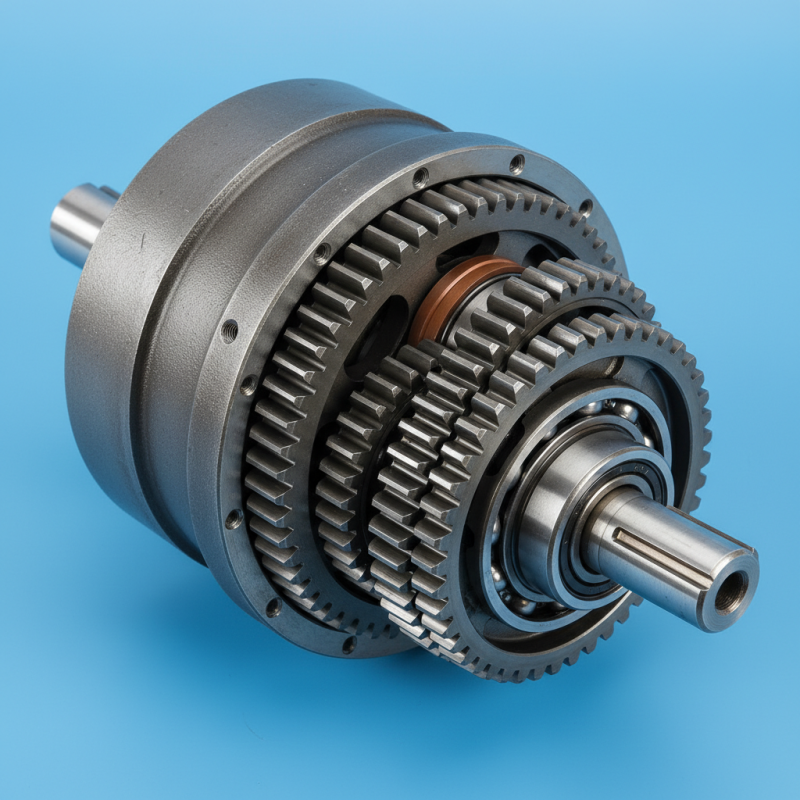
Cylindrical gearboxes are commonly used in various mechanical applications. They convert input torque into output torque effectively. Understanding their structure is crucial for making informed decisions. These gearboxes consist of cylindrical gears that align parallel to the shaft. This alignment helps in smoother power transmission. Precision in manufacturing affects performance significantly.
One common mistake is underestimating the impact of gear material. The choice of material can affect durability and wear resistance. Steel is widely used, but alternatives like aluminum or plastic have their applications too. However, these options may have limitations in strength. Users often overlook the importance of load capacity calculations. Misjudging this can lead to gear failure and costly repairs.
In some cases, gearboxes must operate in harsh environments. Factors like temperature and humidity play vital roles. It is essential to choose seals and lubricants that suit these conditions. Many users fail to consider maintenance needs. Regular checks can prevent unexpected downtimes. Ignoring this aspect could lead to significant operational losses.
When selecting a cylindrical gearbox, understanding load requirements is crucial. Load specifications directly impact the performance and longevity of the gearbox. According to a report by the American Gear Manufacturers Association, proper load calculations can improve efficiency by up to 15%.
It's important to evaluate both static and dynamic loads. Static loads are typically predictable and arise from stationary applications. Dynamic loads, however, vary with speed and can lead to unexpected failures if not accounted for. For instance, if the gear is used in machinery that experiences sudden starts, the dynamic load can spike significantly. Ignoring this factor can shorten the gearbox's lifespan.
Analyze the operational environment as well. Temperature fluctuations and humidity levels influence material properties and, consequently, load-bearing performance. An industry study indicated that gearboxes operated in higher temperature ranges can see a reduction in efficiency up to 10%. Choosing a gearbox that aligns with the expected load conditions ensures reliable performance. Always seek expert assessments in complex applications to avoid costly errors in selection.
Choosing the right cylindrical gearbox is critical for efficiency and reliability. The gearbox materials and construction quality significantly affect its performance. High-quality materials, like alloy steels, enhance durability. A report from the Gearbox Manufacturers Association indicates that gearboxes made from high-grade materials can last 30% longer than those made from standard materials.
Construction quality also plays a vital role in gearbox longevity. Precision machining ensures proper gear meshing and reduces friction. This aspect can lead to a 15% increase in energy efficiency. A study from the Industrial Gearbox Consortium highlights that poorly constructed gearboxes often result in higher failure rates, causing costly downtimes.
Choosing a gearbox made with top-notch materials and superb construction is not just about performance. It is about reliability in harsh conditions, too. However, not all manufacturers adhere to the same standards. Some may promise high quality and fail to deliver it. Carefully analyzing specifications can save you from future disappointments. Opting for a gearbox involves attention to detail and discernment of quality indicators.
When selecting a cylindrical gearbox, focusing on efficiency and performance metrics is crucial. Gearboxes vary significantly in their operational efficiency, which can greatly impact overall system performance. According to a report by the International Association of Machinery, gear efficiencies can range from 85% to over 95%. A small difference in efficiency translates to major energy savings over time. Thus, thorough analysis of these metrics is fundamental.
Consider the gear ratio and load capacity. A gearbox with a higher gear ratio often provides better torque but may sacrifice speed. Evaluate your specific operational needs. Understand the application environment, which may dictate certain performance requirements that standard metrics could overlook. This analysis empowers informed decisions.
Tip: Look for gearboxes with high load ratings and low backlash. These traits often indicate enhanced durability and translate into efficient operation. Additionally, be wary of noise levels, as they can signal inefficiencies in operation.
Before finalizing a choice, review efficiency curves. They reveal performance across different speeds and loads. Such scrutiny brings clarity to how a gearbox will function under your actual conditions. The best performance often comes from thorough evaluations and thoughtful adjustments.
Choosing the correct cylindrical gearbox involves multiple factors, especially maintenance needs and lifespan. The lifespan of a gearbox can vary significantly based on design and operating conditions. Typically, high-quality gearboxes can last from 10,000 to 20,000 hours of operation. However, many users overlook the importance of regular maintenance, which can greatly extend this lifespan.
Maintenance is crucial for performance optimization. Simple tasks, such as regular oil changes and monitoring for wear, can prevent major issues. Users must also check the alignment and mounting of the gearbox. An aligned gearbox runs smoother and experiences less wear. The cost of neglecting these maintenance steps often outweighs routine upkeep expenses. Without proper attention, minor issues can escalate into costly repairs or even complete gear failure.
Finally, consider the gear material when assessing longevity. Materials such as steel are commonly used, but they can wear down due to poor lubrication. Users often forget to check lubricant levels, leading to insufficient protection. It’s vital to remain vigilant and update maintenance schedules based on usage and environmental conditions. Balancing operating demands with proper care is key to achieving an optimal lifespan for gearboxes.
| Tip | Description | Maintenance Needs | Lifespan (Years) |
|---|---|---|---|
| 1. Load Capacity | Evaluate the maximum load your application requires. | Regular inspections for wear and tear. | 10-15 |
| 2. Efficiency | Choose gearboxes with high efficiency to reduce energy losses. | Annual lubrication and cleaning. | 15-20 |
| 3. Gear Ratio | Select a gear ratio that matches your torque and speed requirements. | Monitor performance regularly. | 10-15 |
| 4. Size and Weight | Ensure the gearbox fits the spatial constraints of your setup. | Check mounting regularly for stability. | 12-18 |
| 5. Material Durability | Choose materials that suit your working environment. | Inspect for corrosion and wear. | 15-25 |
| 6. Noise Level | Consider noise levels based on operational environment. | Regularly check for unusual sounds. | 10-15 |
| 7. Cooling Requirements | Assess if additional cooling is necessary for higher loads. | Maintain proper ventilation and check temperatures. | 8-12 |
| 8. Sealing Type | Select seals based on exposure to dust, moisture, or chemicals. | Inspect seals for breaks and leaks. | 10-20 |
| 9. Torque Requirements | Calculate the required torque to prevent gearbox failure. | Regular torque checks and alignments. | 10-15 |
| 10. Budget Constraints | Consider total cost of ownership, including maintenance. | Set aside budget for unexpected repairs. | Varies widely |