Why Should Global Buyers Apply Automation in Procurement?
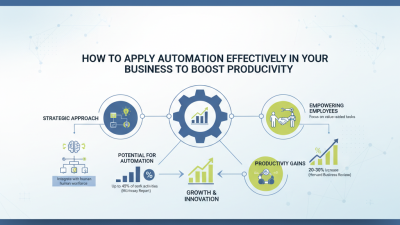
In today's fast-paced global market, procurement faces numerous challenges. Businesses are often under pressure to reduce costs while improving efficiency. To navigate this complex landscape, many global buyers are beginning to apply automation in procurement processes. By integrating automation, companies can streamline operations and eliminate repetitive tasks. This shift allows teams to focus on strategic sourcing and supplier relationships.
Applying automation can lead to significant benefits, but it is not without its challenges. Some organizations may resist change due to concerns about job loss or technological failure. It's essential to address these fears and demonstrate the value of automation. Clear communication can help staff understand how automation enhances their roles.
Moreover, successful implementation requires careful planning and consistent evaluation. Companies must be ready to adjust their strategies as they learn from initial automation experiences. Overall, while the journey of applying automation may have its hurdles, the potential rewards make it a worthy endeavor for global buyers looking to enhance procurement efficiency.

Benefits of Automation in Procurement Processes
Automation in procurement processes brings numerous benefits to global buyers. It can significantly enhance efficiency by reducing manual tasks. When automated, repetitive actions like order processing and invoice management require less time and effort. As a result, employees can focus on more strategic activities that drive value. This shift can lead to better decision-making and improved supplier relationships.
Cost reduction is another vital advantage. Automation reduces errors in data processing, which can lead to costly mistakes. By streamlining procurement workflows, companies often find they can negotiate better contracts and terms. This approach not only strengthens the financial health of the organization but also builds a foundation for long-term stability.
However, the journey toward automation is not without challenges. Adequate training is necessary to ensure staff adapt to the new technology. There can be initial resistance to change from teams accustomed to traditional methods. Companies must consider these barriers seriously, as overlooking them can hinder the effectiveness of implementation. Adopting automation is a significant move, full of potential yet demanding careful reflection and planning.
Why Should Global Buyers Apply Automation in Procurement? - Benefits of Automation in Procurement Processes
| Benefit |
Description |
Impact on Procurement Process |
| Cost Savings |
Automating procurement reduces administrative costs and improves supplier negotiation capabilities. |
Lower operational costs and improved financial performance. |
| Efficiency |
Streamlines the procurement workflow and speeds up processing times through automated purchase orders. |
Faster turnaround times and increased productivity. |
| Improved Compliance |
Automated systems adhere to relevant regulations and internal policies, reducing risks of non-compliance. |
Lower risk of penalties and enhanced accountability. |
| Data Accuracy |
Automation minimizes human errors, ensuring the accuracy of procurement data. |
More reliable data for decision-making and reporting. |
| Supplier Management |
Facilitates better supplier evaluation and communication through centralized information. |
Stronger supplier relationships and improved sourcing strategies. |
Enhancing Efficiency through Automated Procurement Solutions
Automation in procurement is revolutionizing the way global buyers operate. Automated solutions streamline processes, reducing time and effort spent on repetitive tasks. For instance, data entry and order processing can be performed in seconds rather than hours. This efficiency frees up procurement teams to focus on strategic decision-making. Instead of drowning in paperwork, they can analyze trends and build supplier relationships.
However, transitioning to automation is not always smooth. Many face challenges, such as employee resistance or lack of training. Some may find the systems too complex and lose valuable time on troubleshooting. It requires a shift in mindset and skillset. Organizations must invest in education and support to overcome these hurdles. Decisions on what to automate can also be tricky. Not all tasks are suited for automation, and missteps can lead to wasted resources.
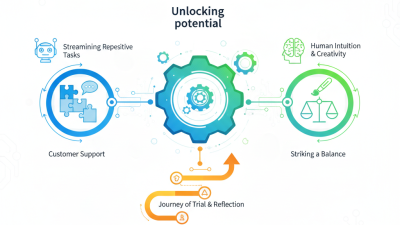
Finding the right balance is crucial. Automated procurement should enhance, not replace, human insight. Buyers need to ensure that automated solutions align with their goals. Regular evaluations and adjustments are necessary. Companies should be open to learning from both achievements and setbacks. Embracing automation can lead to significant gains, but it requires careful planning and reflection.
Cost Reduction Strategies with Automated Procurement Systems
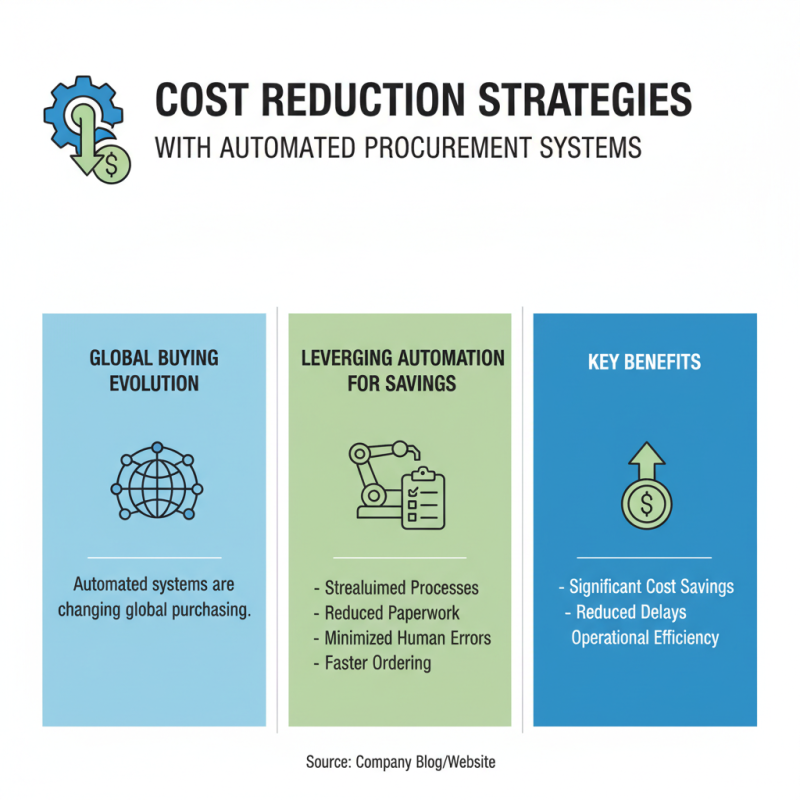
Automated procurement systems are changing the landscape of global buying. Companies are actively seeking cost reduction strategies. Leveraging automation can streamline processes, leading to significant savings. For instance, automated systems can reduce paperwork and human errors in ordering. This minimizes delays and enhances operational efficiency.
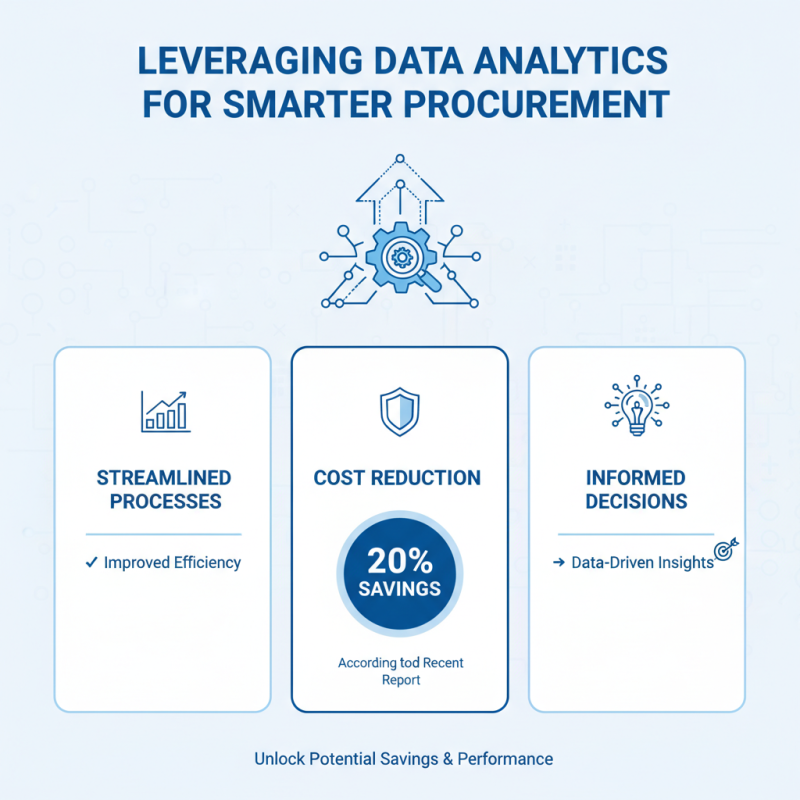
Many organizations still rely on traditional methods. They face challenges like manual data entry errors and longer lead times. These issues can lead to inflated costs. By embracing automation, companies can analyze spending patterns more effectively. Data-driven insights result in better supplier selection and negotiation strategies. Cost reduction becomes not just a goal, but a systematic result of improved practices.
It's important to recognize that implementing automation is not always seamless. Some employees may resist new technology. Training and change management are crucial to address these concerns. Moreover, companies need to continuously evaluate the effectiveness of their automated systems. Regularly assessing performance can uncover areas for further savings. Through thoughtful integration and ongoing improvement, automation can transform procurement into a robust cost-saving avenue.
Improving Supplier Relationship Management via Automation
In today’s fast-paced market, automation in procurement is essential. It can significantly enhance Supplier Relationship Management (SRM). Automation tools can streamline communication with suppliers. This leads to more efficient negotiations and quicker response times. With automated systems, data on supplier performance is easily accessible. Teams can analyze this data to make informed decisions.
However, the transition to automated systems is not without challenges. Some organizations struggle to integrate these new technologies. This can lead to disruptions and resistance from staff who prefer traditional methods. It’s crucial to invest time in training and support. Understanding how to maximize the benefits of automation is key. When done correctly, the right automation solutions can foster deeper collaboration with suppliers.
Building strong supplier relationships is not just about technology. Trust and open communication remain vital. Measuring the success of automation should not only focus on cost reduction. It also involves evaluating relationship quality. Regular feedback from suppliers can provide insights into areas needing improvement. Balancing automation with a personal touch can yield the best results in procurement.
Impact of Automation on Supplier Relationship Management