Skip to content

Top Hengchang Quilting Machine Models for Global Buyers

Global buyers comparing Top Hengchang Quilting Machine Models need more than a list of specifications. They need to know how each model handles their fabrics, production volumes, and daily workflow. A machine may look capable on paper. Its stitch consistency, frame stability, and service requirements matter on the factory floor.

Industry data can provide useful context, but it must be interpreted carefully. The International Textile Manufacturers Federation’s International Textile Machinery Shipment Statistics (ITMSS) reports on machinery shipments across textile sectors. It does not rank Hengchang quilting models or establish their performance. That distinction matters. Buyers should verify specifications against manufacturer documentation and, where possible, request a fabric trial using their own materials.

Small details matter. This guide compares Hengchang Quilting Machine options through practical criteria: quilting width, pattern capability, operating speed, controls, maintenance access, and support availability. A quoted expert view could strengthen this introduction, but no verifiable named Hengchang specialist quotation or source article was provided. It would be misleading to invent one. Buyers should seek a documented statement from Hengchang’s technical team and confirm model-specific claims directly. Real production conditions can expose gaps that a brochure does not show. The best choice is not automatically the fastest machine. It is the model that fits the buyer’s workload, operator skills, and service plan.
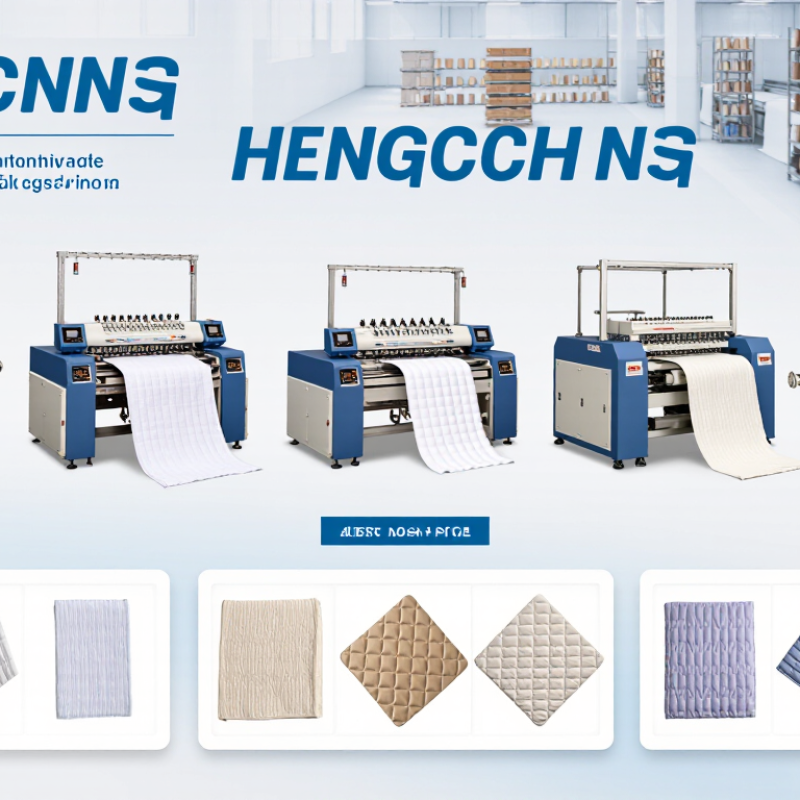
Top Hengchang Quilting Machine Models for Global Buyers

Hengchang Quilting Machines: Model Range and Applications

Quilting machines are usually selected by stitch pattern, working width, and daily output. A compact single-needle model suits small workshops making sample quilts or short custom runs. Multi-needle machines can stitch repeated patterns across bedding panels with fewer manual passes. Wider formats help process larger comforters and mattress covers, while computerized controls make pattern changes easier. The right range depends on fabric thickness, seam density, and the size of each panel. Fit matters.

Typical applications include quilts, bedspreads, mattress fabrics, and padded upholstery panels. A workshop producing lightweight cotton quilts may prioritize clean stitching and quick pattern changes. A bedding factory handling thick layered materials needs stable fabric feeding and enough clearance beneath the needle area. Check these details with actual material samples, not only product descriptions. Ask for a trial run and inspect stitch consistency near corners and across long seams. Small irregularities can be hard to notice at first. They still matter. Buyers should also consider operator training, maintenance access, and available floor space. A high-output machine may not be the best choice if changeovers are frequent or service support is limited. No single model fits every production line.

Common Mattress Widths for Quilting Applications

Standard mattress widths provide a useful reference when planning quilt patterns and fabric coverage. Actual dimensions can vary slightly by manufacturer.

How the Main Model Types Differ

Hengchang quilting machine models can differ in throat space, frame setup, and stitch control. A compact longarm suits smaller workshops or quilters with limited floor space. Its narrower working area may require more frequent fabric repositioning. Larger-frame models hold bigger quilts more steadily, but need a dedicated, level workspace. Measure the room and the largest quilt before comparing specifications.

Manual models give operators direct control over movement and stitch rhythm. They can be a practical fit for custom work, though consistent results depend on operator practice. Computerized models follow programmed patterns and can repeat designs across a quilt. They reduce some manual guiding, but setup still matters: check pattern scale, loading tension, and test stitches on a fabric scrap. Multi-needle configurations may support faster color changes, while adding setup complexity and cost. No model wins every job. That is worth remembering.

Tips: Ask for the throat depth, frame dimensions, and compatible quilting area in writing. Test a sample pattern at your intended speed. Watch for skipped stitches or uneven tension. Specs help, but real fabric can behave differently.

Quilting Machine Model Types for Global Buyers — How the Main Types Differ

Machine Type How It Works Typical Best Fit Main Advantages Key Considerations Check Before Buying
Single-Needle Longarm A single needle sews while the machine head or fabric moves across a large quilting surface. Small businesses, studios, and operators producing custom quilts or varied designs. Flexible for different patterns and quilt sizes; can support free-motion work. Output depends on operator skill and the chosen frame, workflow, and design method. Throat space, frame dimensions, stitch regulation, included accessories, and service support.
Computerized Longarm A computer-controlled system guides the quilting pattern, often using a digital design file. Shops seeking repeatable patterns and reduced hands-on guidance during stitching. Can reproduce programmed designs consistently and may offer pantograph or edge-to-edge workflows. Requires compatible software, design files, setup, and operator familiarity with the control system. Supported file formats, software licensing, design import process, updates, and training.
Multi-Needle Longarm Uses multiple needles, commonly with different thread colors, to reduce manual thread changes in suitable workflows. Production settings that frequently use multicolor designs or repeated jobs. Can streamline some color changes and support more complex thread-color arrangements. More needles do not automatically increase stitching speed; setup and design compatibility matter. Needle configuration, thread path, color-change workflow, maintenance requirements, and compatible designs.
Computerized Multi-Needle Longarm Combines computer-guided pattern movement with multiple needle positions for applicable multicolor work. Businesses producing programmed designs with recurring multicolor requirements. Brings together pattern repeatability and options for managing multiple thread colors. Higher system complexity can mean more setup, training, and compatibility checks. Control-system functions, needle selection process, software compatibility, and local technical support.
Frame-Based Longarm System Holds the quilt layers on a frame so the operator can work across the quilt without repeatedly repositioning it as on a domestic machine. Operators handling larger quilts or planning a dedicated quilting workspace. Provides an organized surface for managing quilt layers and moving across a larger work area. Requires adequate floor space, frame assembly, and a suitable layout for loading and quilting. Installed footprint, frame adjustment range, quilt loading method, delivery access, and assembly support.
Compact or Tabletop Quilting System Uses a smaller work area than a full-length frame system; quilt handling may involve more repositioning. Home studios, limited workspaces, or buyers prioritizing a smaller installation. Can fit spaces where a large frame is impractical and may be easier to integrate into an existing studio. The usable quilting area and quilt handling workflow may limit work on larger projects. Actual quilting area, table stability, workspace clearance, and handling method for large quilts.
Pantograph-Ready System Supports following a repeated pattern, often along the quilt length, using a physical guide or a compatible computerized setup. Quilt services and production workflows that use continuous or edge-to-edge designs. Useful for repeating a consistent pattern across a quilt with an established workflow. Pattern scale, alignment, and repeat placement need to suit the quilt and the selected system. Manual or computerized guidance, pattern compatibility, scaling options, and alignment features.

Buyer note: Machine names and configurations vary by supplier. Confirm the exact specifications, included components, electrical requirements, warranty terms, and local service availability for the specific model being quoted.

Core Features and Quilting Capabilities

Quilting machine models are best compared by their working area, stitch control, and intended workload. A longarm configuration offers generous throat space for bulky quilts and wide pantograph patterns. A mid-arm model takes up less room while still handling bed-sized projects with careful rolling. Small details matter. Check whether the frame stays stable when the carriage moves across dense batting.

Computerized models can repeat stored patterns and adjust stitch length as fabric speed changes. This helps keep stitches more even around curves and seams. Manual models give operators direct control over movement and are often easier to understand at a glance. Neither option removes the need for test stitching. A sample using the actual top, batting, and backing can reveal skipped stitches or tension problems before the quilt is loaded.

For frequent production, compare motor consistency, needle access, lighting, and how quickly settings can be changed. Multi-needle systems may reduce thread changes in detailed designs, but they also require more setup and maintenance. Frame width should suit the quilts you make most often, not only the largest one you might sew. There is a trade-off. A faster machine is not automatically the better choice if its controls feel awkward or its stitches vary at corners.

Choosing a Model for Your Production Needs

Choosing a quilting machine model starts with the work it must repeat, not the largest output figure on a brochure. List your common quilt sizes, fabric layers, and daily order volume. A shop making narrow mattress panels has different needs from one handling wide bed covers. Measure the largest frame clearance you actually use. Then test the thickest planned fabric stack, including seams and batting. Watch for skipped stitches, uneven tension, and fabric drag. Small flaws show quickly on a long seam.

It is easy to overbuy. A faster model may sit idle if operators need frequent setup changes or the work mix is unpredictable. Compare useful stitching area, speed controls, pattern options, and how easily settings can be adjusted. Ask for a sample run using your own materials, not just a demonstration fabric. Check cleaning access, routine maintenance points, and spare-part availability in your region. For international production, confirm that the machine’s power requirements match the workshop and that local technicians can support it. A modest model can be the better fit. Still, leave room for growth; replacing equipment too soon is costly.

Global Purchasing, Support, and After-Sales Considerations

For global buyers, machine selection is only half the purchase. Before comparing quotations, confirm usable quilting width, maximum material thickness, stitch-length range, electrical supply, and control-system language. Ask for a short test run using your actual fabric stack. Watch the needle path, frame movement, and thread tension. Small details matter.

Service arrangements deserve equal scrutiny. The World Bank’s 2023 Logistics Performance Index assessed 139 countries across six areas, including customs, infrastructure, tracking, and timeliness. That variation can affect delivery of a machine, replacement parts, and technician visits. Request a parts list with item codes, realistic dispatch times, remote troubleshooting hours, and training requirements. Get warranty exclusions in writing. A neat spreadsheet can still miss one awkward detail: who pays for a technician’s return trip?

Shipping plans need a buffer. UNCTAD’s Review of Maritime Transport 2024 reported that maritime trade grew 2.4% in 2023, while route disruptions added uncertainty to shipping schedules. Buyers should confirm packaging dimensions, insurance responsibility, port charges, and who handles installation after arrival. Ask whether common wear parts can be stocked locally. Keep the answer in writing. Even strong support plans can falter when responsibilities are vague; that is worth challenging before payment.