What is the impact of technology and automation on procurement?
In today’s fast-paced business environment, the impact of technology and automation on procurement is profound. Industry expert Dr. Lisa Williams, a leading voice in supply chain innovations, states, “Technology and automation are reshaping procurement, making it more efficient but also more complex.” This dual nature of change presents unique challenges and opportunities for organizations.
Technology and automation streamline processes. They reduce manual tasks, allowing teams to focus on strategic decisions. Yet, this shift also raises concerns. Employees may feel threatened by job displacement or struggle to adapt to new systems. Companies must provide adequate training to address this gap.
As we explore the influence of technology and automation, it’s crucial to reflect on its implications. While the benefits are clear, firms need to navigate the complexities carefully. Achieving a balance between innovation and human skills is essential for successful procurement transformation.
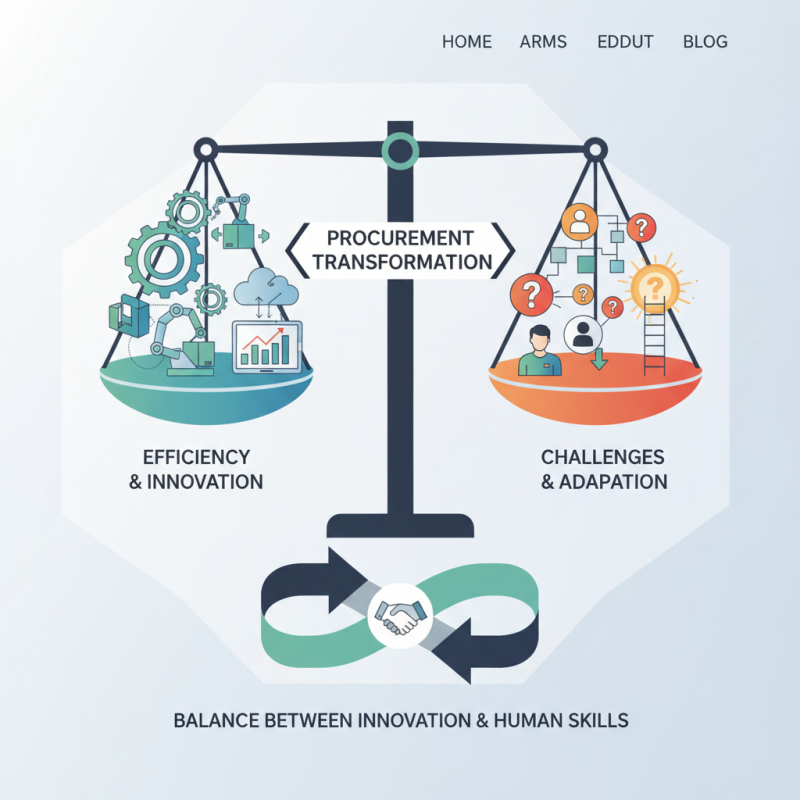
Impact of Technology on Procurement Processes
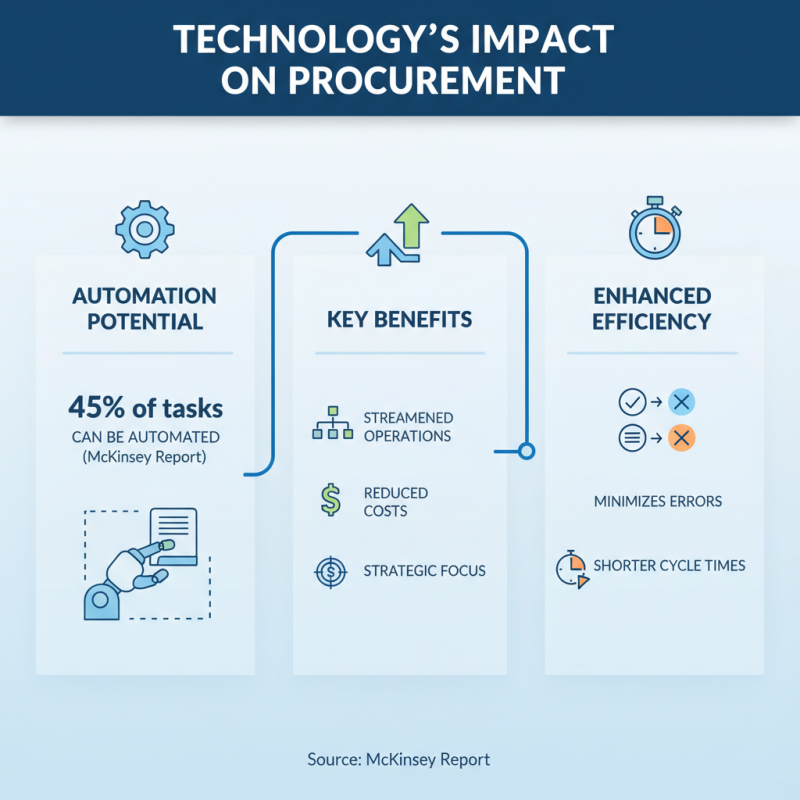
Technology is reshaping procurement processes in profound ways. A recent report by McKinsey highlights that 45% of procurement tasks can be automated. This shift allows organizations to streamline operations, reduce costs, and focus on strategic activities. Automation minimizes manual errors and shortens cycle times, which enhances overall efficiency.
Data analytics is also a key player in modern procurement. According to a study from Deloitte, companies utilizing advanced analytics can derive insights that improve supplier selection and risk management. For instance, 70% of firms leveraging data analytics report better decision-making capabilities. Yet, reliance on technology brings challenges. Over half of procurement teams express concerns about data privacy and system integration.
Furthermore, emerging technologies such as artificial intelligence and machine learning are starting to personalize procurement strategies. They enable businesses to predict market trends and optimize spending. However, these innovations are not foolproof. Some companies struggle with implementing these technologies effectively. The gap between potential and actual performance is a reflection of the need for ongoing training and adaptation.
Role of Automation in Supply Chain Management
Automation significantly enhances supply chain management by streamlining procurement processes. According to a report by McKinsey, companies that adopt automation can reduce procurement costs by up to 30%. Automation technologies, such as artificial intelligence and machine learning, facilitate real-time data analysis and decision-making.
These technologies help in forecasting demand accurately, thus minimizing overstocking or stockouts. A recent study from Deloitte indicated that 79% of companies using automated procurement solutions noticed improved efficiency. However, reliance on automation comes with challenges. Data privacy concerns and the potential for job displacement must be addressed to ensure a smooth transition.
Tips: Focus on integrating automation gradually. Evaluate which processes benefit most from technology. Ensuring staff are trained to work alongside automated systems can alleviate transition concerns. Regular audits of automated systems can identify inefficiencies and areas for improvement.
Moreover, while automation provides efficiency, the human touch in negotiation and relationship-building remains vital. Companies must balance technology and personal interaction. This blend will likely lead to optimal procurement outcomes, ensuring the long-term success of supply chains.
What is the impact of technology and automation on procurement?
| Dimension |
Impact |
Examples |
| Cost Reduction |
Streamlining processes leads to lower operational costs. |
Automating invoice processing saves personnel costs. |
| Efficiency |
Reduction in time required for procurement tasks. |
E-sourcing platforms speed up supplier selection. |
| Data Visibility |
Enhanced tracking and reporting of procurement activities. |
Real-time dashboards for monitoring spend analytics. |
| Supplier Management |
Improved collaboration and communication with suppliers. |
Automated performance reviews and feedback systems. |
| Risk Mitigation |
Identifying and managing supplier risks proactively. |
Digital monitoring of supplier compliance and risk factors. |
Benefits of Digital Tools in Procurement Efficiency
The impact of technology and automation on procurement is profound. Digital tools streamline procurement processes, enhancing efficiency and reducing costs. According to a study by McKinsey, organizations using digital procurement solutions can reduce procurement costs by 10-20%. Automation eliminates manual tasks, leading to faster order processing and better supplier management.
This shift toward digitalization also brings challenges. It's crucial to invest in training and change management. Employees may need time to adapt to new tools and processes. Gartner reports that 70% of procurement functions struggle with integrating new technologies effectively. The right approach includes continuous support and feedback loops to improve usage.
Tip: Regularly assess your digital tools' impact on your procurement process. Collect feedback from users to identify areas for improvement. Consider setting up training sessions to enhance user experience. Prioritize ease of use to encourage team engagement with digital tools.
Challenges Associated with Implementing Technology in Procurement
The integration of technology and automation in procurement presents various challenges. Many organizations face resistance to change from employees. Adopting new systems often requires training sessions, which can be time-consuming and costly. Employees may feel overwhelmed, leading to a drop in morale. It’s crucial to address these concerns early on.
Data security is another significant issue. With increasing automation, sensitive information is at greater risk. Cybersecurity threats can jeopardize procurement processes. Companies must implement robust security measures to safeguard their data. Additionally, reliance on technology can create vulnerabilities. If systems fail, procurement can come to a halt.
Tip: Foster a culture of open communication. Encourage feedback from employees regarding the new technology. Their insights can help identify potential pitfalls and improve the implementation process.
Compatibility with existing systems can also be problematic. New technologies may not integrate seamlessly, leading to disruptions. Companies should conduct thorough assessments before introducing new tools. Testing systems in a controlled environment can reveal unforeseen issues.
Tip: Prioritize ongoing training for your team. Regular sessions can help mitigate the initial shock of new processes. Make learning opportunities available to keep everyone comfortable and engaged.
Future Trends of Technology and Automation in Procurement
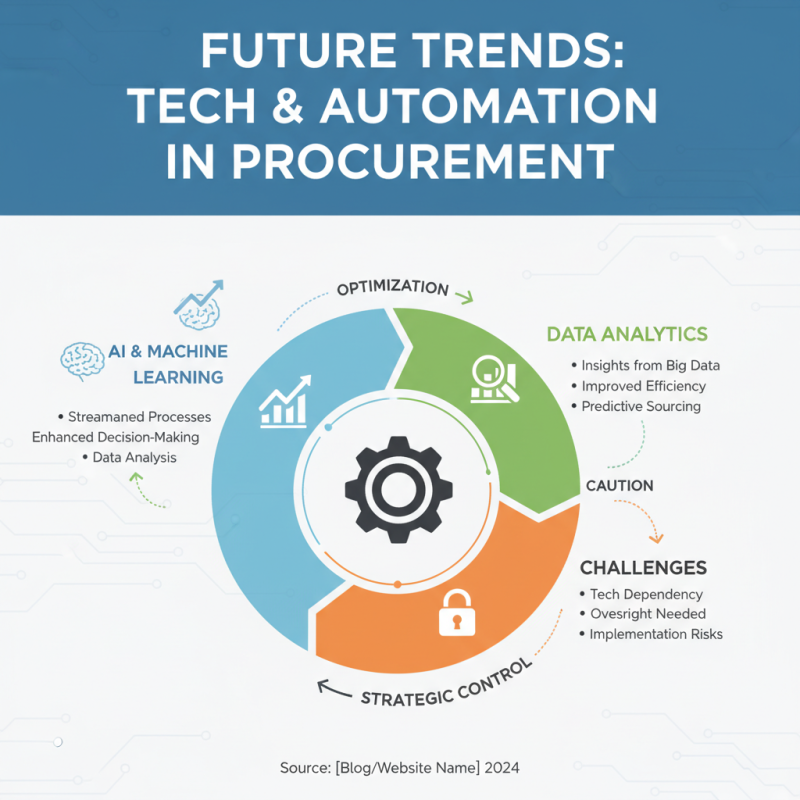
In the evolving landscape of procurement, technology and automation are reshaping how businesses operate. Organizations increasingly rely on AI, machine learning, and data analytics to streamline processes. These tools enhance decision-making and improve efficiency by analyzing vast amounts of data. However, firms must also navigate potential downsides. Not all automation leads to better outcomes; it can lead to dependency on technology without proper oversight.
Tip: Regularly evaluate your technology’s impact. Ask whether it solves real problems or complicates processes.
As companies embrace automation, the trend toward integrated platforms emerges. These systems provide unified solutions for procurement tasks, resulting in greater transparency. Yet, while automation boosts productivity, it can also create challenges in maintaining personalized vendor relationships. Over-reliance on automated systems might lead to less critical thinking.
Tip: Design a hybrid approach. Combine technology with human insight to maintain essential connections.
Future procurement strategies will likely focus on sustainability and ethical sourcing, driven by technological advancements. Data-driven insights can guide businesses in making eco-friendly choices. However, organizations must reflect on the implications of these decisions. Balancing innovation with ethical considerations remains an ongoing challenge in procurement.