What is Innovative Automation? Exploring Its Impact on Business Efficiency
In today's rapidly evolving business landscape, the term "innovative automation" has become increasingly significant, as companies strive to enhance their operational efficiency and remain competitive. According to Dr. Emily Thompson, a leading expert in automation technologies, "Innovative automation is not just about replacing manual tasks; it's about redefining the way businesses operate in an interconnected world." This perspective highlights the transformative potential of innovative automation, which transcends traditional automation approaches and integrates advanced technologies to streamline processes, reduce costs, and improve overall productivity.
As organizations embrace innovative automation, they are equipped to tackle the challenges of contemporary markets, characterized by constant change and heightened customer expectations. The integration of artificial intelligence, machine learning, and data analytics enables businesses to optimize workflows and make informed decisions. By harnessing these tools, companies can unlock new levels of efficiency, allowing them to focus on strategy and innovation rather than just operational maintenance. This introduction to the concept of innovative automation sets the stage for a deeper exploration of its impact on business efficiency and its role in shaping the future of work.
Definition and Key Components of Innovative Automation
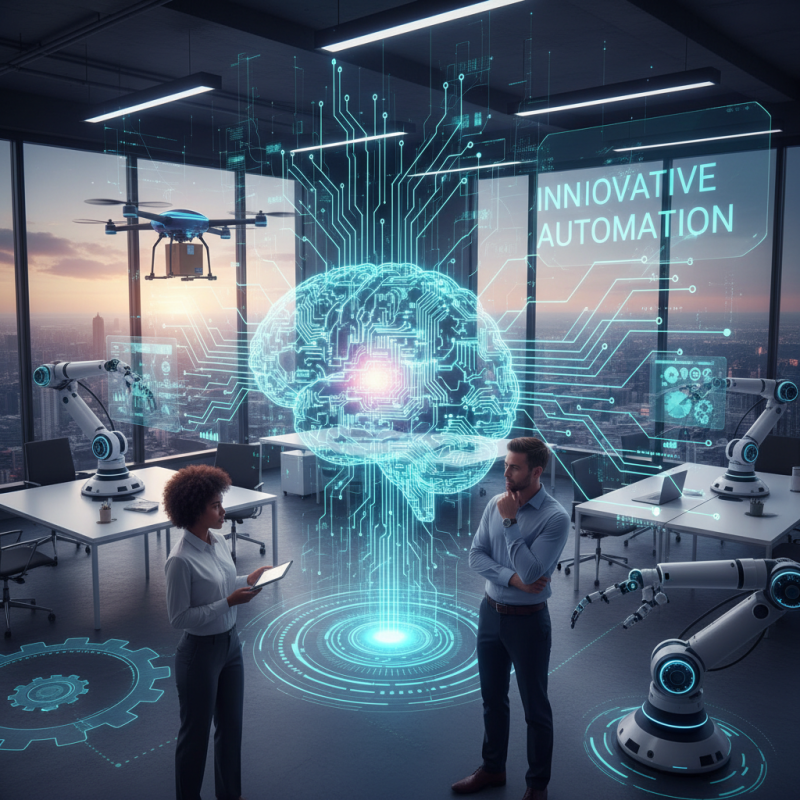
Innovative automation refers to the use of cutting-edge technologies, such as artificial intelligence, machine learning, and robotics, to enhance operational efficiency and optimize workflows in various industries. Unlike traditional automation, which typically focuses on repetitive tasks, innovative automation aims to improve decision-making processes and adapt to dynamic business environments. According to a report by McKinsey, more than 60% of occupations can be partially automated, highlighting the vast potential of innovative automation across sectors.
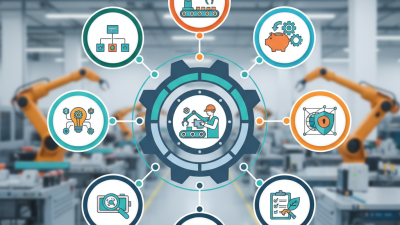
Key components of innovative automation include intelligent process automation (IPA), which combines robotic process automation (RPA) with AI capabilities to create adaptive systems that can learn and improve over time. Additionally, data analytics plays a crucial role in innovative automation, enabling organizations to gather insights from vast amounts of data and make informed decisions faster. According to a study by Deloitte, companies implementing innovative automation have reported a 20% to 30% increase in productivity and a significant reduction in operational costs, demonstrating the tangible benefits of these advanced technological solutions.
Historical Context: Evolution of Automation in Business
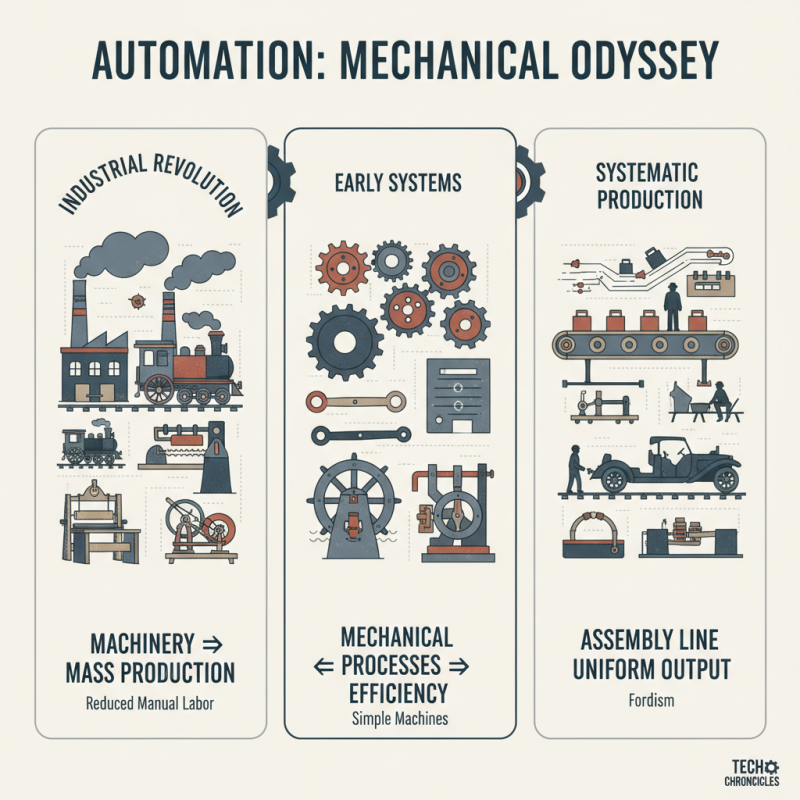
The evolution of automation in business has a rich history that dates back to the Industrial Revolution. During this period, the introduction of machinery transformed traditional manufacturing processes, allowing for mass production and increased efficiency. The early automation systems were largely mechanical, relying on simple machines and processes that greatly reduced manual labor. As industries grew and the demand for efficiency intensified, innovations such as the assembly line emerged, pioneered by a shift toward systematic production methods.
As technology advanced through the 20th century, automation began to integrate electronic systems, leading to the development of computer-controlled operations. This shift allowed for greater precision and flexibility in manufacturing and information processing. By the late 20th century, the rise of information technology heralded the era of digital automation, where businesses could automate tasks previously reliant on human input, such as data entry and inventory management. This not only streamlined operations but also paved the way for real-time analytics and decision-making processes.
In the 21st century, we witness an accelerated pace of automation driven by artificial intelligence, machine learning, and robotics. These technologies have not only enhanced productivity but also transformed the way businesses operate, enabling them to adapt quickly to market changes. The historical trajectory of automation showcases an ongoing commitment to improving efficiency, demonstrating that as technology evolves, so too does the potential for businesses to innovate and thrive in a competitive environment.
Influence of Innovative Automation on Operational Efficiency
Innovative automation refers to the integration of advanced technologies that enhance business processes, allowing for increased productivity and efficiency. The influence of such automation on operational efficiency is significant, as it streamlines workflows, reduces human error, and frees up valuable resources. Businesses can leverage innovative automation to manage repetitive tasks, optimize supply chains, and ensure timely decision-making, ultimately leading to a more agile and responsive organization.
Tips for implementing innovative automation in your operations include starting small with pilot projects to measure effectiveness before scaling up. It’s crucial to engage your team in the process to ensure a smooth transition and gather insights that could improve implementation. Additionally, continuous monitoring and data analysis are essential to adapt and tweak automated processes for maximum efficiency.
Moreover, consider investing in employee training programs to help staff adapt to new technologies. Empowering your workforce to embrace automation fosters a culture of innovation and ensures that everyone is aligned with the business’s efficiency goals. By thoughtfully integrating innovative automation, businesses can achieve a significant competitive advantage in today’s fast-paced marketplace.
Impact of Innovative Automation on Operational Efficiency
Case Studies: Successful Implementation of Innovative Automation
In recent years, businesses have begun to leverage innovative automation technologies to drastically improve efficiency and streamline operations. Case studies have demonstrated the transformative effects of these technologies across various sectors. For instance, a report by McKinsey & Company indicates that automation can increase global productivity by up to 1.4% annually. Companies such as XYZ manufacturing have successfully implemented robotic process automation (RPA) in their production lines, resulting in a 30% reduction in operational costs and a significant increase in production speed.
Another noteworthy example is a logistics firm that adopted AI-driven inventory management tools, which enabled them to reduce stock levels by 25% while meeting customer demands more effectively.
When considering the implementation of innovative automation, businesses should keep a few tips in mind. Firstly, beginning with a pilot project can help assess the technology's fit for specific needs without committing extensive resources upfront. Secondly, it’s crucial to ensure that employees are supported with training and resources to embrace new systems, as human expertise remains essential in monitoring and optimizing automated processes. Lastly, measuring outcomes through key performance indicators (KPIs) post-implementation can clarify the benefits and guide future automation strategies, ensuring continual improvement in business efficiency.
Future Trends: The Role of AI in Shaping Innovative Automation
Innovative automation represents a transformative shift in how businesses operate, integrating advanced technologies to streamline processes and enhance productivity. As organizations seek to remain competitive, the role of artificial intelligence (AI) in shaping innovative automation becomes increasingly critical. According to a recent report from McKinsey, companies that implement AI-driven automation can see productivity gains of up to 30% over five years. This trend not only augments existing workforce capabilities but also introduces entirely new operational paradigms.
Future trends indicate that the convergence of AI and automation will redefine business efficiency across various sectors. A study from the World Economic Forum predicts that by 2025, the integration of AI in automation tools is expected to generate an additional $13 trillion in global economic output. As businesses leverage machine learning and data analytics, they can improve decision-making processes, reduce human error, and enhance customer experiences at a scale previously unattainable. These advancements are poised to make operations more agile, allowing firms to adapt quickly to market demands and drive innovation.
The impact of AI on innovative automation does not stop at efficiency; it also fosters a culture of continuous improvement within organizations. As systems learn and evolve, they can provide insights that lead to further refinements in processes and strategies. According to a report by Deloitte, 72% of executives believe that AI will be a critical driver of productivity and efficiency in the next 10 years. This indicates a significant recognition of AI's potential to not only reshape automation but also to influence the overarching business landscape, encouraging a more adaptive and forward-thinking corporate culture.
What is Innovative Automation? Exploring Its Impact on Business Efficiency
| Dimension |
Description |
Impact on Efficiency |
Future Trends |
| Process Automation |
The use of technology to automate routine tasks. |
Increases speed and reduces errors. |
AI-driven automation tools are expected to further enhance capabilities. |
| Data Analytics |
Leveraging data to gain insights and drive decisions. |
Improves decision-making speed and accuracy. |
Integration of predictive analytics for proactive strategies. |
| Customer Interaction |
Using AI chatbots and virtual assistants. |
Enhances customer support efficiency and user experience. |
More personalized and context-aware interactions through advanced AI. |
| Supply Chain Automation |
Automating logistics and inventory management. |
Reduces costs and improves delivery times. |
Smart warehousing and autonomous delivery vehicles as key trends. |
| Process Optimization |
Streamlining operations for better performance. |
Maximizes productivity while minimizing waste. |
AI algorithms for continuous improvement processes. |