Skip to content

What Is Sustainable Automation for Global Buyers?

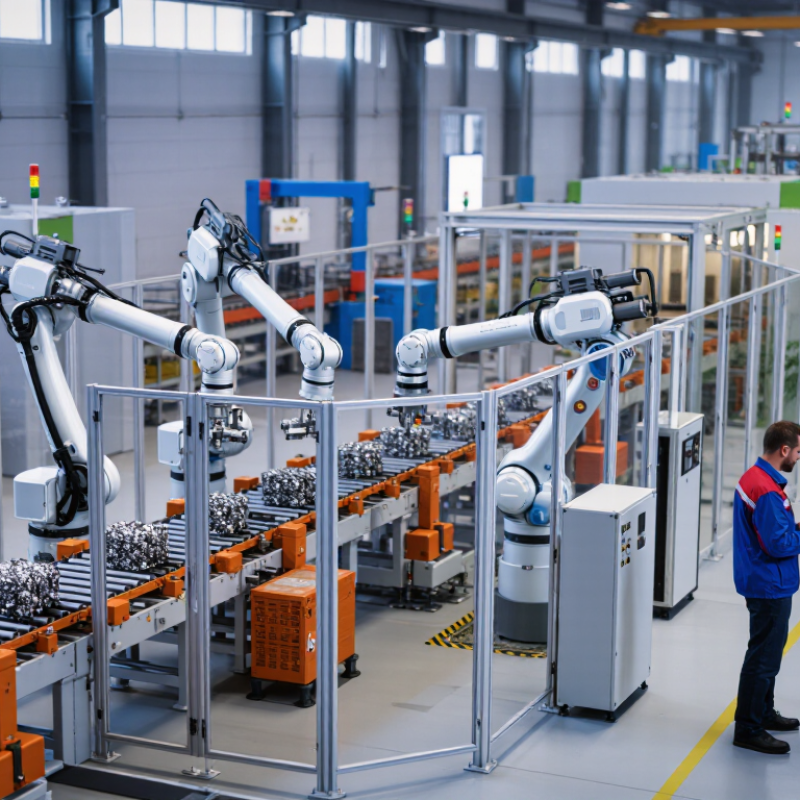
For global buyers, sustainable automation is no longer a distant factory concept. It is becoming a practical purchasing question. Can a robotic cell reduce energy use, waste, and downtime without creating hidden environmental costs?

The answer requires more than a product brochure. Buyers must examine the complete lifecycle, from raw materials and shipping to maintenance and eventual recovery. A high-speed robot may consume less electricity per unit, yet its embedded carbon could remain significant. That uncomfortable detail matters. Siemens President and CEO Roland Busch has said, “Digitalization and sustainability are the two most important levers for the future.” His observation reflects today’s industrial reality: digital systems can measure progress, but they cannot replace responsible decisions.

A credible sustainable automation strategy begins with evidence. Global buyers should request energy data, repair instructions, software support periods, and supplier environmental records. They should compare performance under real operating conditions, not ideal laboratory settings. A factory manager may notice the difference at 3 a.m., when unnecessary standby power continues through an entire production line. Small losses accumulate.

The process also needs human judgment. Automation can improve safety and consistency, but it may increase dependence on complex electronics or rare materials. That trade-off deserves open discussion. Some sustainability claims will remain difficult to verify. Buyers should accept that uncertainty, record it, and improve their evaluation methods over time. Sustainable automation is not a perfect destination. It is a disciplined purchasing approach that connects measurable efficiency with long-term responsibility.
What Is Sustainable Automation for Global Buyers?

Definition and Scope of Sustainable Automation for Global Buyers

What Is Sustainable Automation for Global Buyers?

Definition and Scope of Sustainable Automation for Global Buyers

Sustainable automation means using automated equipment, software, and data systems with lower environmental and social costs. For global buyers, its scope extends beyond energy savings. It includes product lifespan, repair access, material use, worker safety, and responsible disposal. A system that cuts electricity but fails after two years may not be sustainable.

In procurement reviews, buyers should examine measurable evidence. Ask for energy data under normal operating conditions, not only laboratory results. Check maintenance intervals, replacement-part availability, and software support periods. Review the supplier’s safety documentation and relevant conformity records. These details reveal whether efficiency is practical or merely advertised. Small facts matter.

Sustainable automation also reaches the wider supply chain. Buyers should consider transport distance, packaging volume, manufacturing conditions, and end-of-life recovery. Digital monitoring can identify idle machines, compressed-air leaks, and excessive scrap. However, sensors create additional hardware and data-management needs. That trade-off deserves scrutiny. No system is perfectly sustainable.

A reliable evaluation compares total ownership impacts over several years. It should include installation, training, downtime, upgrades, and disposal. Buyers can use independent audits, transparent performance records, and site trials before large-scale deployment. Local operating conditions may change the result. A solution designed for a cool factory may consume more energy in a hot, humid facility. Practical judgment remains essential.


Core Principles of Sustainable Automation in International Procurement

Sustainable automation for global buyers begins with disciplined procurement design, not faster software. Its core principles are traceability, proportionality, human oversight, and measurable resource efficiency. A buyer should map each automated decision to a product, supplier, country, and evidence source. That evidence may include energy records, labor audits, transport documents, and corrective-action logs. The Carbon Disclosure Project’s 2023 supply-chain report found that supply-chain emissions average 11.4 times a company’s operational emissions. Procurement systems therefore need Scope 3 data before optimizing purchase orders. Without that foundation, automation can simply accelerate hidden waste.

Interoperability matters. Global teams often receive spreadsheets, certificates, APIs, and incomplete declarations. A resilient workflow should preserve source dates, confidence levels, and missing fields. Small detail. It prevents false precision. The International Energy Agency reported that data centers used about 415 terawatt-hours of electricity in 2024, showing why efficient processing matters. Rules should favor low-energy workflows, consolidate repetitive checks, and escalate unusual transactions to trained specialists. Human review remains essential for disputed origin data, worker-risk indicators, and sudden supplier changes. Rigid portals can exclude smaller, capable producers. That is a design failure, not a supplier failure. In practice, perfect dashboards rarely arrive first. Teams start with uneven data and conflicting definitions. They should publish assumptions, test exceptions, and revise scoring models quarterly. Sustainable automation becomes credible when buyers can explain what the system approved, why it approved it, and which evidence supports that decision.

What Is Sustainable Automation for Global Buyers?

Core principles: lifecycle responsibility, material efficiency, traceability, and measurable circularity

Sustainable automation should reduce manual waste and improve procurement visibility without increasing the environmental burden of digital equipment. The chart highlights the importance of designing automation programs around equipment longevity, repairability, take-back processes, and verified recycling.

Data source: United Nations Institute for Training and Research, Global E-waste Monitor 2024. The 2030 figures are projections under current trends.

Key Technologies Enabling Sustainable Global Buying Processes

What Is Sustainable Automation for Global Buyers?

Key Technologies Enabling Sustainable Global Buying Processes

Sustainable automation connects purchasing decisions with environmental and operational data. In global buying, it means more than replacing email with software. It reduces waste, delays, duplicate orders, and unnecessary transport. Cloud procurement platforms can centralize supplier approvals, order records, certificates, and delivery dates. APIs connect purchasing systems with logistics, finance, and supplier databases. Buyers gain clearer visibility into product origin and shipment activity. The data is rarely clean.

Artificial intelligence can flag unusual pricing, excessive packaging, duplicate orders, or high-emission routes. Optical character recognition converts invoices and customs documents into searchable records. Sensors monitor temperature, humidity, and energy use during sensitive shipments. Digital dashboards turn these signals into supplier comparisons and purchasing thresholds. Carbon calculators support product-level estimates, but supplier data may be incomplete. A polished dashboard can still hide weak assumptions. That risk needs regular audits.

Distributed ledgers may improve traceability when several parties share records. However, secure records do not guarantee accurate information. Human review remains necessary for recycled-content claims, labor documentation, and unusual exceptions. Teams can test automation within one product category before expanding globally. They should compare freight emissions, processing time, stock losses, and supplier response rates. Data-processing energy also deserves measurement. Sometimes, a simpler rule works better.

Step-by-Step Framework for Implementing Sustainable Automation

What Is Sustainable Automation for Global Buyers?

Step-by-Step Framework for Implementing Sustainable Automation

Sustainable automation starts with a measurable baseline, not a grand promise. Record energy use, material waste, labor hours, error rates, and maintenance frequency. Use twelve months of operating data when possible. If records are incomplete, state that limitation clearly. Our first estimate was wrong because standby power was ignored. That mistake changed the investment model.

Choose one process with visible waste and stable demand. Map each step, including transport, rework, packaging, and waiting time. Then define targets for energy per unit, scrap reduction, cycle time, and worker safety. Keep the pilot small. A single production cell often reveals hidden costs faster than a full-site rollout. Test sensors, controls, and software under normal operating conditions. Avoid testing only on ideal days.

Measure results across several production cycles. Compare baseline data with pilot data using the same method. Ask operators whether the system reduces effort or creates new pressure. Their experience is essential evidence. Train maintenance teams before expanding automation. Document spare-part needs, cybersecurity controls, supplier responsibilities, and end-of-life handling. Independent audits can strengthen buyer confidence, but they do not replace internal verification. Some benefits may remain uncertain. Record them instead of presenting assumptions as facts. Review the pilot quarterly, adjust the design, and expand only when performance, reliability, and environmental gains remain consistent.

What Is Sustainable Automation for Global Buyers? - Step-by-Step Framework for Implementing Sustainable Automation

A practical procurement and implementation framework for reducing energy, emissions, waste, and operational risk across automated systems.

Step Implementation Focus Key Data Dimension Recommended KPI / Data Point Reference Target or Threshold Verification Method
1 Define the sustainability baseline System boundary and reporting period Electricity use, fuel use, production output, downtime, scrap, and maintenance records for the previous 12 months Use one complete 12-month period and document all exclusions Energy meters, production-control records, utility bills, and signed baseline methodology
2 Map energy and emissions sources Operational energy and greenhouse-gas emissions kWh per production unit; kg CO₂e per production unit; Scope 1 and Scope 2 emissions Report energy in kWh and emissions in kg or metric tonnes of CO₂e using consistent factors GHG Protocol accounting principles, utility emission factors, and meter reconciliation
3 Set measurable sustainability requirements Procurement specifications Energy performance, repairability, software support life, material disclosure, and recyclability Require quantified evidence for every mandatory criterion before award Weighted tender scorecard with evidence status: verified, partially verified, or not verified
4 Select efficient automation architecture Load profile and system efficiency Idle power, peak power, average operating power, regenerative energy, and energy per cycle Measure at idle, normal load, peak load, and shutdown states before final selection Factory or site acceptance test using calibrated power meters and an agreed duty cycle
5 Integrate monitoring and data governance Data quality, coverage, and interoperability Meter coverage, data completeness, sampling interval, timestamp accuracy, and system availability At least 95% valid data completeness for monthly sustainability reporting Automated data validation, exception logs, access controls, and documented data ownership
6 Optimize controls and operating modes Automation logic and operating behavior Automatic standby, shutdown scheduling, variable-speed operation, compressed-air leakage, and process setpoints Eliminate unnecessary idle operation and document approved energy-saving control sequences Before-and-after measurement under comparable production volume, quality, and environmental conditions
7 Manage materials and circularity Lifecycle materials and end-of-life treatment Mass of major materials, recycled content, hazardous substances, repair rate, reuse rate, and recycling route Provide a bill of materials and documented end-of-life instructions for major equipment modules Material declarations, safety documentation, repair records, and authorized recycling certificates
8 Protect cybersecurity and resilience Operational continuity and secure connectivity Unplanned downtime, recovery time, patch status, backup frequency, and security incidents Define maximum acceptable downtime and recovery objectives before commissioning Risk assessment, access review, backup restoration test, incident records, and applicable industrial-security controls
9 Validate business and environmental benefits Performance, cost, and carbon impact Energy reduction, CO₂e reduction, throughput, first-pass yield, maintenance cost, and total cost of ownership Report absolute change and intensity change; do not claim savings without a comparable baseline Independent review of baseline, production normalization, emission factors, and calculation files
10 Operate, improve, and report globally Continuous improvement and regional comparability Monthly KPI trend, corrective actions, site comparison, audit findings, and target status Review KPIs monthly and complete a formal management review at least annually ISO 50001-style energy review, internal audit trail, corrective-action register, and annual assurance process
Core measurement rule: Compare systems using the same functional output, operating conditions, production volume, boundary definition, and reporting period. Use recognized accounting and management approaches such as the GHG Protocol, ISO 14001, ISO 14040/14044, ISO 14067, and ISO 50001 where applicable.

Measuring Environmental, Economic, and Operational Performance

Sustainable automation for global buyers requires more than energy-saving machinery. It demands measurable environmental, economic, and operational performance.

Buyers should track electricity use per finished unit, material waste, packaging volume, and equipment emissions. A monthly baseline makes progress visible. For example, a production cell using 18 kilowatt-hours per batch should be compared with output quality, not energy alone. Lower consumption means little if defects increase. Data must include supplier declarations, maintenance records, and independent checks where possible.

Economic performance

Economic performance includes purchase cost, maintenance, training, downtime, and useful operating life. A cheaper system may become expensive after repeated repairs or software changes. Operational measures should cover cycle time, availability, changeover speed, safety incidents, and rejected units.

In supplier assessments, request evidence from real production conditions. Laboratory figures can look impressive. Factory results may differ. Our first estimate was too optimistic because idle power and operator training were overlooked. That mistake showed why assumptions need regular review.

Tips:

Set three baseline measures before purchasing. Record energy and waste weekly. Compare results against output quality. Ask suppliers how data is collected and verified. Leave room for human judgment. No dashboard is perfect. Review weak results openly, then adjust targets, maintenance plans, or operating methods.