Temporary Storage Tips for Efficient Global Sourcing?
Efficient global sourcing often relies on effective logistics and inventory management. Temporary Storage plays a crucial role in this process. In an increasingly interconnected world, businesses import goods from various locations. However, delays in shipping and customs can disrupt schedules. Effective temporary storage solutions can mitigate these risks.
Utilizing temporary storage allows companies to manage inventory levels strategically. It provides flexibility when dealing with fluctuating demands and supply chain uncertainties. By having a dedicated area for short-term storage, businesses can streamline their processes and avoid costly disruptions. However, improper management of this storage can lead to issues such as overstocking or damages.
Businesses must adopt best practices for temporary storage. This includes regularly reviewing inventory and ensuring proper conditions for goods. While temporary storage is an effective strategy, it must be executed with care. Mistakes can be costly and impact the entire sourcing process. Thoughtful planning and execution can elevate the efficiency of global sourcing and ensure that companies remain competitive.
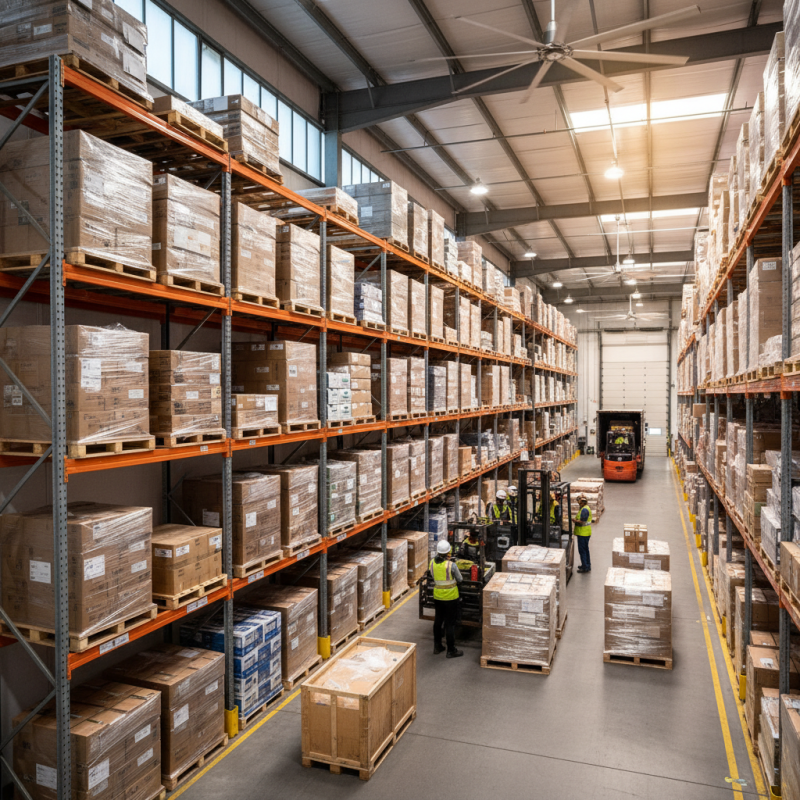
Understanding the Basics of Temporary Storage in Global Sourcing
Temporary storage plays a crucial role in global sourcing. It allows businesses to manage their supply chain more effectively. According to the International Warehouse Logistics Association, 68% of supply chain professionals prioritize temporary storage solutions for efficient inventory management. With fluctuating market demands, having a safe space for goods can reduce overflow and stockouts.
Understanding the basics of temporary storage is essential. Facilities must ensure compliance with safety regulations. Moreover, adopting technology can enhance tracking and visibility. A report from Statista indicates that 70% of companies that implement real-time inventory tracking see a decrease in storage costs. However, not all businesses utilize these technologies, leading to inefficiencies.
It's important to reflect on the challenges faced in temporary storage. Some companies underestimate storage needs during peak seasons. These lapses can inflate costs and disrupt operations. Additionally, inadequate planning can lead to wasted space, slowing down retrieval processes. Businesses must continuously evaluate their storage strategies to align with their sourcing needs.
Temporary Storage Tips for Efficient Global Sourcing
Identifying Suitable Temporary Storage Solutions for Your Needs
Finding the right temporary storage solutions can be challenging. Your needs depend on the type of goods and duration of storage. Consider climate control for sensitive items. It helps prevent damage from humidity or extreme temperatures. Explore various space options, such as warehouses or containers. Each comes with its advantages and drawbacks.
Evaluate space size carefully. Too little can lead to overcrowding, while too much increases costs. Search for security features as well. Is the location safe from theft? Look for facilities with surveillance and access control. It’s also wise to check accessibility—how easily can you get in and out?
Costs may vary widely. You might find some options less reliable or harder to access. Evaluate reviews and seek recommendations. In your search, you might uncover more suitable solutions. Balance your specific needs with available resources to optimize your storage decisions. A little effort in planning can lead to lasting efficiencies in global sourcing.
Best Practices for Organizing and Managing Temporary Storage
When managing temporary storage in global sourcing, organization is key. Industry reports indicate that 40% of companies face challenges due to inefficient storage methods. Streamlining processes can significantly enhance inventory handling. For instance, implementing a modular shelving system allows for better space utilization. Utilize clear labeling and visual cues to guide workers efficiently. This small change can reduce retrieval times by up to 30%, making operations smoother.
Regular inventory audits are essential. A study shows that organizations performing audits bi-weekly have 20% lower storage costs. Track stock levels diligently. This practice not only minimizes waste but also enhances forecasting accuracy. Develop a clear protocol for receiving and dispatching goods. A consistent approach fosters reliability in operations. Consider stakeholder feedback on storage challenges; their insights can identify unseen issues.
Invest in technology that enhances visibility in your storage system. Radio Frequency Identification (RFID) technology can help monitor stock levels in real-time. According to research, firms adopting RFID saw a
15% reduction in stock discrepancies. With the right strategies, managing temporary storage can become less of a hurdle and more of an opportunity for improvement.
Evaluating Cost-Effectiveness of Temporary Storage Options
When evaluating temporary storage options, cost-effectiveness is a critical factor. Companies often face high expenses related to warehousing. Therefore, assessing the features and services offered by various storage facilities is essential. Examine pricing structures closely. Some facilities charge by the square foot, while others may have flat rates. Look for hidden fees too.
It's important to consider the duration of storage required. Short-term contracts may be less costly but can result in higher monthly fees. On the other hand, long-term agreements might offer better rates but require a financial commitment. Analyze your inventory turnover rate; it helps in deciding how much space you actually need. Without a clear understanding, you risk either overpaying or running out of space.
Flexibility can also impact cost-effectiveness. Some facilities allow easy access to goods, which might save transport costs. Consider locations that minimize shipping distances. Yet, not all seem equally reliable. Researching customer reviews can uncover the true nature of service. Trying out a smaller unit before committing is also a feasible strategy. This trial approach can expose potential issues without a hefty upfront investment.
Ensuring Compliance and Safety in Temporary Storage Facilities
In the world of global sourcing, temporary storage facilities play a crucial role. Ensuring compliance and safety within these spaces is vital. Companies must follow strict regulations to avoid costly fines and disruptions. Each facility should regularly conduct safety inspections. This helps identify potential hazards before they escalate.
Proper labeling of stored items is essential too. It reduces the risk of mishandling, which can lead to accidents. Keeping items organized makes retrieving goods more efficient. However, not all storage solutions meet safety standards. Companies often overlook minor details, leading to severe consequences later.
Training staff on safety protocols is another critical aspect. Employees must understand the risks associated with temporary storage. It’s not just about moving items; it's about doing it safely. Frequent refresher courses can help maintain high standards. Without these, complacency can set in. A culture of safety needs to be nurtured throughout the organization.
Temporary Storage Tips for Efficient Global Sourcing - Ensuring Compliance and Safety in Temporary Storage Facilities
| Aspect | Considerations | Best Practices |
| Location | Proximity to suppliers | Select storage facilities near major transportation hubs |
| Compliance | Local and international regulations | Regular audits and staff training on compliance |
| Safety | Fire and environmental risks | Implement safety protocols and conduct drills |
| Inventory Management | Tracking storage conditions | Use inventory management software for real-time tracking |
| Cost Efficiency | Balancing cost and quality | Negotiate contracts with storage providers |
| Technology | Automation and data management | Integrate advanced technology for efficiency |