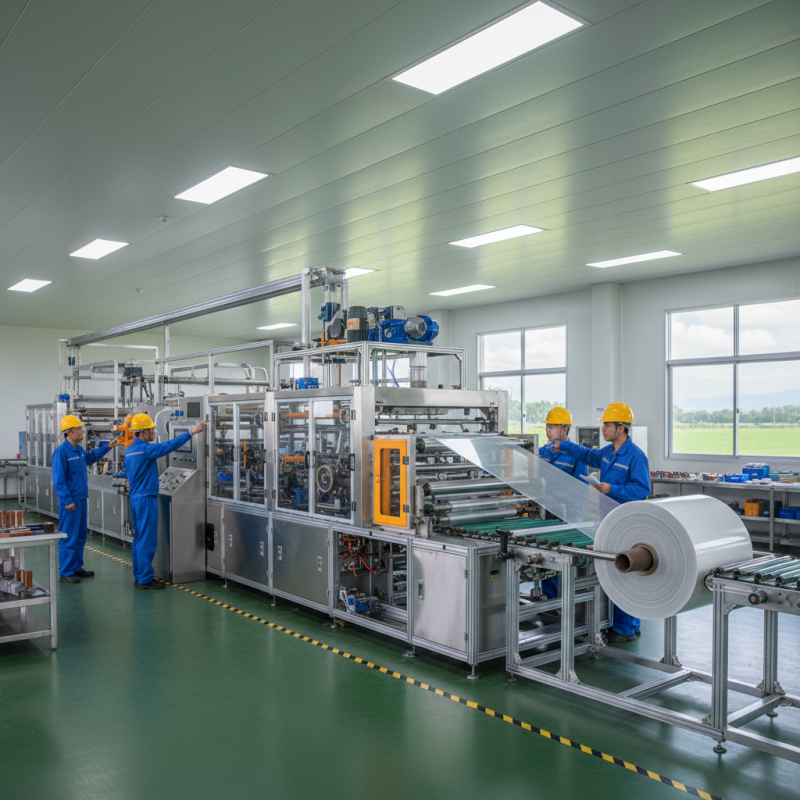
Top Tips for Choosing a Fiber Plastic Sheet Machine?
Choosing the right Fiber Plastic Sheet Machine is crucial for manufacturing success. It can significantly impact production quality and efficiency. With so many options available, making the right choice may feel daunting.
Quality is key when selecting a machine. Look for brands with a strong reputation. Their longevity in the market can be a good indicator of reliability. You may find that some lesser-known brands offer innovative features but lack proven expertise.
Consider the specific needs of your production line. Different machines excel in various areas, like speed or thickness. Testing a machine before buying may save you from costly mistakes. Take time to evaluate all factors. In the end, a well-chosen Fiber Plastic Sheet Machine can be a game changer for your operations.
Understanding Fiber Plastic Sheet Machines and Their Applications
Fiber plastic sheet machines play a crucial role in the manufacturing process of durable and versatile materials. These machines transform various types of plastic fibers into robust sheets used in many applications, from construction to automotive parts. According to a recent industry report, the fiber plastic sheet market is expected to grow by 7.5% annually, driven by rising demand for lightweight and durable materials.
When choosing a fiber plastic sheet machine, consider the intended application. Different processes yield varying sheet qualities suitable for distinct uses. Evaluate the production capacity to ensure it meets commercial needs. Analyze energy consumption as well. Machines that enhance efficiency often offer better long-term value.
Quality control is essential too. Strong machines with advanced monitoring systems ensure consistency in product output. Reports suggest that manufacturers who invest in reliable machines see a 20% increase in efficiency.
Another aspect to reflect on is the maintenance requirements of the machine. Some units might need frequent servicing, impacting productivity. It’s wise to understand the total cost of ownership before making a purchase. Balancing performance with durability leads to better investment decisions.
Key Features to Consider When Choosing a Fiber Plastic Sheet Machine
When selecting a fiber plastic sheet machine, it's crucial to evaluate several key features. One of the most important aspects is the machine's capacity. According to recent industry reports, machines with a higher output capacity significantly reduce production costs. A machine that can produce 200 kg/h compared to one at 100 kg/h typically offers better efficiency.
Another essential feature is the technology used for processing the fibers. Advanced machines utilize thermoplastic technologies that enhance bonding and ensure uniform thickness. Studies show that uniform thickness is vital for the durability and strength of the final product. Moreover, machine energy consumption is another consideration. Machines that consume less power not only lower operational costs but also reflect environmental responsibility.
Additionally, the ease of maintenance cannot be overlooked. Machines designed for simple upkeep can save time and money in the long run. Industry data indicates that machinery downtime for repairs can reach up to 10% of production time. Finding a machine that minimizes downtime is essential. Lastly, examine the flexibility of the machine regarding various materials. A versatile machine can adapt to different fiber types, making it a more sustainable investment.
Top Tips for Choosing a Fiber Plastic Sheet Machine
This chart represents the key features to consider when choosing a fiber plastic sheet machine, rated by their importance on a scale from 1 to 10. Features include Production Speed, Energy Efficiency, Customization Options, Maintenance Requirements, and Cost.
Evaluating Machine Performance and Efficiency for Specific Needs
When considering a fiber plastic sheet machine, evaluating machine performance is crucial. Efficiency directly impacts your production costs and output quality. According to industry reports, machines with high efficiency rates can improve production output by 30% to 50%. This improvement translates to significant cost savings over time.
Understanding specific production needs is also vital. For instance, if your operation requires unique sheet dimensions, the machine’s adaptability is key. Some machines may only cater to standard sizes, limiting production versatility. Research indicates that companies using flexible machinery have experienced up to a 20% increase in client satisfaction. Satisfaction stems from meeting diverse project requirements.
Maintenance can also affect machine performance. Neglecting scheduled maintenance can lead to a reduction in efficiency. Reports show that machines maintained according to manufacturer guidelines last 20% longer. Monitoring performance metrics can identify issues early, ensuring consistent workflow. Reflecting on these factors can help you make informed decisions when selecting your fiber plastic sheet machine.
Assessing Manufacturer Reputation and Customer Support Services
When selecting a fiber plastic sheet machine, evaluating the manufacturer’s reputation is crucial. A strong reputation often indicates reliability and quality. According to a report from Grand View Research, the demand for fiber plastic products is growing at a compound annual growth rate of 4.5%. This rise means more manufacturers are entering the market, making reputation even more significant. Customer reviews and industry ratings can provide insights.
Customer support services are equally important. A report from Research and Markets noted that 80% of customers prioritize service quality. A manufacturer with responsive support can save time during installation and troubleshooting. Delays or issues can happen, and reliable customer service can mitigate these problems. Look for manufacturers that offer comprehensive training and resources to assist customers after purchase.
However, not all companies measure up. Some may promise extensive support but fall short during critical times. Researching online forums and industry reviews can shed light on potential issues. Taking this step can be valuable for making an informed decision. Aim to choose a manufacturer with a proven track record in both reputation and reliability.
Budgeting for Purchase and Maintenance of Fiber Plastic Sheet Machines
When budgeting for the purchase and maintenance of fiber plastic sheet machines, it's essential to consider both initial costs and ongoing expenses. According to a recent industry report, the average cost of a mid-range fiber plastic sheet machine can vary between $50,000 and $200,000. This price range reflects different capabilities and automation levels. Investing in a high-quality machine can optimize efficiency but may require a more substantial upfront investment.
Maintenance costs are another critical factor. It's estimated that regular maintenance can account for 10-15% of the machine's purchase price annually. Routine upkeep, such as replacing worn-out parts and software updates, plays a vital role in extending the machine's lifespan. Neglecting maintenance might lead to costly downtime or significant repair bills later. Data shows organizations that prioritize maintenance can increase productivity by up to 30%.
Moreover, training employees to operate and maintain the machine is often overlooked in budgeting. Workers must understand the machine’s functions to prevent mishaps. A comprehensive training program can cost around $3,000 to $10,000 but is crucial for optimal operation. While the initial cost may seem daunting, a well-maintained and efficiently operated machine will yield significant returns over time. Balancing upfront investments with long-term benefits is key to a successful purchase.
Top Tips for Choosing a Fiber Plastic Sheet Machine
| Feature | Recommended Specifications | Estimated Cost (USD) | Maintenance Frequency | Maintenance Cost (Annual) |
| Machine Capacity | 500 kg/h | $80,000 | Monthly | $2,500 |
| Sheet Thickness | 1 mm - 5 mm | $80,000 | Monthly | $2,500 |
| Energy Consumption | 5 kW/h | $80,000 | Monthly | $2,500 |
| Control Technology | PLC Control | $80,000 | Quarterly | $3,000 |
| Warranty Period | 2 Years | $80,000 | N/A | N/A |