Top Fluorine Pumps for Efficient Industrial Use What to Know?
Fluorine Pumps play a crucial role in various industrial applications. As industries aim for higher efficiency, the demand for reliable fluorine pumps has surged. Reports indicate that the global fluorine pump market is projected to reach approximately $1.5 billion by 2025, reflecting a compound annual growth rate (CAGR) of around 6.4%. This growing market underscores the need for selecting the right pumps based on specific requirements.
The efficient handling of corrosive materials is vital. Fluorine pumps are engineered to handle these challenging substances safely and effectively. Many industries, such as chemicals and pharmaceuticals, rely heavily on these pumps. However, not all fluorine pumps are created equal. Selecting a pump requires understanding factors such as material compatibility, pressure ratings, and maintenance needs. Flawed decisions in these areas can lead to costly downtime and safety risks.
Despite advancements, there is still room for improvement within the industry. Some pumps fall short in energy efficiency or durability. Regular assessments of operational performance are necessary to identify potential weaknesses. By addressing these issues, industries can invest in the right fluorine pumps that promise longevity and high performance.
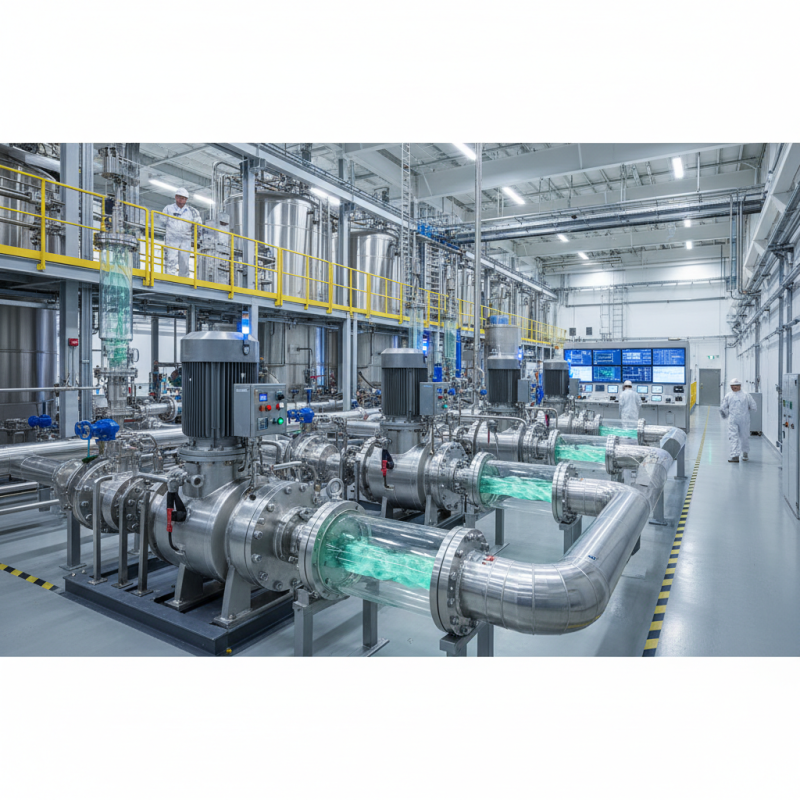
Key Features of Fluorine Pumps for Industrial Applications
Fluorine pumps play a critical role in various industrial applications. The ability to handle corrosive and aggressive chemicals makes them indispensable. When selecting a fluorine pump, understanding key features is essential for optimal performance.
One important feature is the material used for construction. Fluorine pumps often incorporate PTFE and other fluoropolymer materials. These materials resist chemical attack and enhance durability. Another critical aspect is the pump design. A well-designed pump reduces the risk of leakage. Additionally, efficient sealing systems are important for maintaining pressure and preventing spills.
Flow rate and capacity also matter. It's vital to choose pumps that can handle specific operational demands. Some applications may require variable speed options. This adaptability allows for adjustments based on fluctuations in production. Regular maintenance is advisable to ensure longevity. Operators should adhere to protocols and perform periodic inspections. While fluorine pumps are generally reliable, neglect can lead to failures.
Types of Fluorine Pumps: Selection for Specific Industries
In selecting the right fluorine pump, understanding the specifics of each type is essential. Fluorine pumps are crucial in various industries, particularly in chemical processing and semiconductor manufacturing. Each application requires specific features that enhance efficiency and safety.
Peristaltic pumps, for instance, offer excellent fluid handling. They are a good choice for industries where contamination must be avoided. These pumps use a flexible tube, minimizing the risk of leaks.
On the other hand, diaphragm pumps provide robust chemical resistance. They are ideal for handling corrosive fluids, making them popular in chemical plants.
It is important to consider the environment in which these pumps will operate. High temperature and pressure may affect performance. Regular maintenance is key to ensure longevity and reliability. Some users may overlook this aspect, leading to operational inefficiencies. Awareness of these details can guide better selection tailored to specific industrial needs.
Maintenance Tips for Maximizing Fluorine Pump Efficiency
Proper maintenance is vital for maximizing the efficiency of fluorine pumps. Regular inspections help identify issues early. Scheduled maintenance should include checking seals and gaskets for wear and tear. Fluorine can be corrosive, so materials must be carefully monitored. Dust or debris can hinder performance, so keeping the pump clean is essential.
Training personnel on maintenance practices ensures everyone understands the pump's needs. A misstep in handling can lead to failures. Keeping detailed records of maintenance activities aids in tracking performance trends over time. It also highlights areas needing improvement. While these practices seem straightforward, many overlook them, leading to costly downtime.
Understanding the pump's operating environment is crucial. Harsh conditions can affect efficiency. For instance, extreme temperatures may require specialized components. Regularly recalibrating the pump helps maintain accuracy. These small actions can lead to significant improvements. However, it is easy to become complacent, risking overall system performance. Maintaining focus on minor details can enhance long-term efficiency.
Common Applications of Fluorine Pumps in Manufacturing Processes
Fluorine pumps play a crucial role in various manufacturing processes. Industries often use these pumps to handle corrosive substances safely. For instance, in the chemical industry, they are ideal for transporting harsh chemicals like fluorine and chlorine. According to a report by MarketsandMarkets, the global fluorine pump market is expected to grow at a CAGR of 5.2% from 2020 to 2025. This growth highlights the increasing dependence on reliable pump systems in many sectors.
In semiconductor manufacturing, fluorine pumps ensure precise control of gases used in etching processes. Fluorine-based gases are essential for creating microchips, which are fundamental in electronics. Mishaps in gas handling can lead to significant downtime and costly repairs, underscoring the necessity for robust pump solutions. A study showed that efficient gas handling can improve yield rates by up to 15%. However, not all facilities prioritize the latest technology, putting production at risk.
Water treatment facilities also utilize fluorine pumps. They help in the fluoridation process, ensuring safe drinking water. Yet, some plants struggle with maintaining pump efficiency. Reports indicate that nearly 30% of facilities have outdated systems. Regular maintenance and upgrades become critical to avoiding failures. In these sectors, choosing the right pumping technology remains essential to achieving operational success.
Top Fluorine Pumps for Efficient Industrial Use
This chart illustrates the average flow rates of different types of fluorine pumps commonly used in various manufacturing processes. The data highlights how these pumps serve distinct applications with varying efficiency and capacity.
Safety Considerations When Using Fluorine Pumps in Industrial Settings
Fluorine pumps are crucial in various industrial applications. However, safety considerations must be prioritized. Fluorine is highly reactive and can pose significant hazards if not handled properly. It can cause severe burns, and its vapors are harmful to the respiratory system. According to a study by the Occupational Safety and Health Administration (OSHA), exposure levels above acceptable limits can lead to serious health issues.
Proper training for operators is essential. They should understand the risks associated with fluorine handling. The use of appropriate personal protective equipment (PPE) is not optional. Gloves, goggles, and respirators can minimize exposure risks. Additionally, safety data sheets (SDS) must be readily available for all staff. This fosters a safety culture and ensures quick access to emergency protocols.
Regular maintenance of fluorine pumps is vital. Routine checks help detect leaks or failures early. The American National Standards Institute (ANSI) suggests inspection intervals of no more than six months for critical systems. Even minor failures can escalate in high-reactivity environments. Notably, a report indicated that improper maintenance can increase the risk of incidents by up to 30%. Operators should reflect on their practices continually to improve safety and efficiency.