As the 2026 Canton Fair approaches, the spotlight is on innovative technologies. Among these, gas generators stand out as vital energy solutions. With growing industries, the demand for efficient and reliable power sources is rising.
The fair, running from April 15 to May 5, offers a platform for showcasing advancements in gas generators. Visitors will discover models that cater to various needs, from construction sites to residential use. The event reflects a shift towards sustainable energy solutions in manufacturing.
Each gas generator on display promises enhanced performance and efficiency. Yet, potential buyers must carefully evaluate their options. A few models might lack essential certifications like ISO or CE, raising concerns. Attendees should utilize the fair's AI features to find trustworthy suppliers. Planning an effective route through the vast expo space will be crucial. Exploring these generators could redefine power usage in multiple sectors.
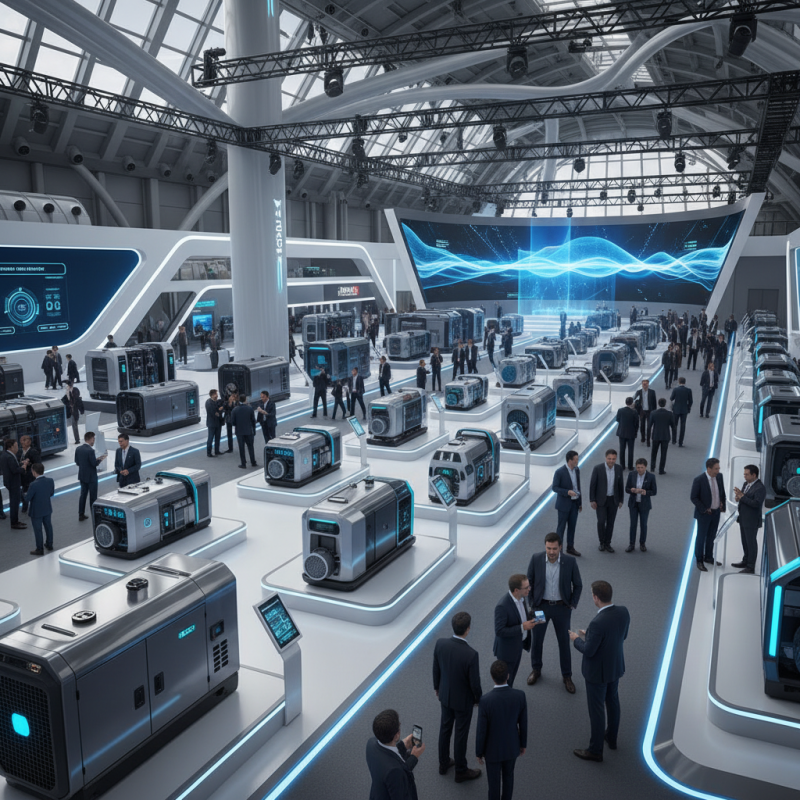
When selecting a gas generator, key features should guide your decision. Consider its power output. Determine how much electricity you need for your appliances. A generator with higher wattage can handle more devices. Look for portability as well. Some generators are heavy. If you need to move it, weight is essential. A balance between size and capacity is crucial.
Fuel efficiency is another factor. Some models consume more fuel than others. A generator with lower fuel usage saves costs over time. Noise levels also matter. Many generators operate loudly, which can be disruptive. Quiet models are available, but they might come at a higher price. Find the right balance between power and noise.
User-friendliness is important too. Control panels should be intuitive. Complicated systems can lead to frustration. Read reviews carefully. Users often mention reliability and ease of use. Lastly, check warranty and service options. Not all generators come with strong support. Missing out on warranties can lead to regret later. Make a well-informed choice.
As the 2026 Canton Fair approaches, exploring the best gas generator brands becomes crucial. According to recent industry data, the global gas generator market is anticipated to reach approximately $8.9 billion by 2026, growing at a steady annual rate. This growth indicates a strong interest in gas generators across various sectors.
When assessing top brands, focus on efficiency and durability. Many industry reports highlight that generators with a 10-12 kW output are the most sought after. This capacity is ideal for diverse applications, from homes to small businesses. However, not all brands meet quality standards. Some generators may face reliability issues, resulting in customer complaints and possible equipment failures.
In examining the key players at the Canton Fair, pay attention to innovation in power systems. Some brands incorporate advanced technologies to enhance fuel efficiency. Yet, even the top brands sometimes struggle with noise levels and maintenance. Selecting a gas generator requires careful consideration. There’s a fine balance between performance and convenience. Engaging with manufacturers directly at the fair will provide deeper insights into their reliability and new offers.
The 2026 Canton Fair will showcase the latest advancements in gas generators. Innovative technologies are changing the industry. These generators aim for higher efficiency and reduced emissions. Manufacturers are focusing on eco-friendly solutions. Clean energy alternatives are gaining traction.
One significant trend is the integration of smart technology. IoT connections enable remote monitoring and control. Users can track performance in real-time. Yet, this raises concerns about cybersecurity. Protecting data is critical, but many devices remain vulnerable.
Another innovation is the development of hybrid models. These generators combine gas and renewable energy sources. They can harness solar or wind power for better efficiency. However, hybrid technology is still evolving. Balancing cost and performance remains a challenge. Stakeholders need to consider potential trade-offs carefully.
Evaluating gas generators requires a keen understanding of performance metrics. Key metrics include power output, fuel efficiency, and operational noise levels. A generator's wattage rating indicates its capability. Higher wattage typically suggests more powerful machinery. Fuel efficiency affects operational costs over time. Generators with better efficiency save money in the long run.
Noise levels also play a crucial role. Many users prefer quieter models for residential environments. Excessive noise can be a major drawback, even for powerful generators. In addition, ease of maintenance is essential. A complex design can hinder routine servicing. It’s vital to consider how user-friendly a generator is.
Some metrics can be misleading. A generator may excel in one area but lag in another. For example, a high-efficiency model could be louder than expected. Performance in real-world conditions may differ from specifications. It's bitterly disappointing when a product doesn’t meet expectations. Keep these factors in mind when assessing gas generators. Each unit has its strengths and weaknesses.
The safety standards and regulations surrounding gas generators are evolving rapidly. At the 2026 Canton Fair, these regulations will be pivotal. Manufacturers must adhere to strict performance criteria. Compliance ensures that gas generators operate efficiently and safely. Consumers will seek products meeting these guidelines.
Testing protocols will also become more stringent. This may affect production timelines. Companies might face challenges in adapting to new safety measures. Some might struggle with the transition. It’s crucial for manufacturers to invest in research and development, ensuring advancements meet safety requirements.
Moreover, environmental concerns are at the forefront. Generators must minimize emissions. This pushes the industry towards cleaner technologies. Design innovation will be essential to meet these challenges. Regulatory agencies will likely introduce more updates, prompting continual adaptation. Companies must remain vigilant to thrive in this changing landscape.
| Model | Power Output (kW) | Fuel Type | Noise Level (dB) | Run Time (hrs) | Safety Standards |
|---|---|---|---|---|---|
| Generator A | 7.5 | Gasoline | 58 | 8 | ISO 8528 |
| Generator B | 10 | Propane | 65 | 10 | EPA |
| Generator C | 15 | Natural Gas | 70 | 12 | UL |
| Generator D | 8 | Gasoline | 60 | 9 | CE |
| Generator E | 5 | Propane | 62 | 7 | CSA |
| Generator F | 20 | Natural Gas | 75 | 15 | IEC |
| Generator G | 12 | Gasoline | 68 | 10 | NFPA |
| Generator H | 9 | Propane | 63 | 9 | ASME |
| Generator I | 14 | Natural Gas | 74 | 12 | EAC |
| Generator J | 11 | Gasoline | 66 | 8 | ISO 9001 |