Top 10 Gate Valve Suppliers You Must Know Today?
The Gate Valve industry plays a vital role in various sectors, including oil and gas, water management, and manufacturing. According to a report by MarketsandMarkets, the global gate valve market is expected to reach $16.3 billion by 2025, growing at a CAGR of 4.2%. This growth highlights the importance of reliable suppliers in ensuring efficient operations.
Gate valves, known for their durability and performance, are fundamental components in pipeline systems. Their demand is driven by the need for precise flow control in critical applications. However, not all suppliers offer the same level of quality and reliability. Each supplier has its strengths, making it essential to choose wisely.
In assessing the top gate valve suppliers today, one must consider factors such as product quality, customer service, and industry reputation. As the market evolves, keeping an eye on established and emerging suppliers is crucial. The right partner can make a significant difference in project success.
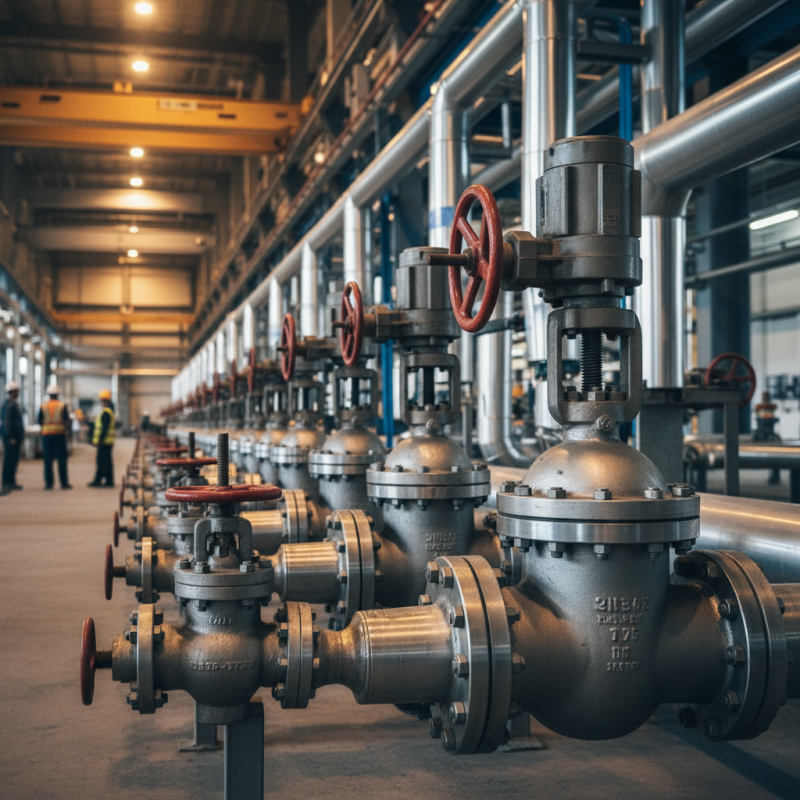
Overview of Gate Valves and Their Importance in Industrial Applications
Gate valves play a crucial role in controlling fluid flow in industrial applications. They offer maximum sealing capability, making them ideal for on/off control. According to a report by Research and Markets, the global gate valve market is projected to grow by 5.7% annually, reflecting their increasing importance. Industries like oil and gas utilize gate valves extensively due to their reliability and durability in high-pressure systems.
One of the significant advantages of gate valves is their low flow resistance. When fully open, they provide a straight path for fluid, minimizing turbulence. This feature is essential in scenarios where maintaining fluid dynamics is critical, such as in water treatment plants. However, improper installation or maintenance can lead to issues like leakage and operational inefficiency. A 2022 survey by the American Society of Mechanical Engineers indicated that up to 30% of gate valve failures result from inadequate upkeep.
Gate valves also require adequate space for operation, which can limit their installation in tight spots. This limitation often needs reconsideration in system design. Understanding the pros and cons of gate valves helps industries make informed decisions, ensuring reliable operation and maintenance over time.
Top 10 Gate Valve Suppliers You Must Know Today
| Supplier Index | Location | Years in Business | Product Range | Application Areas |
| 1 | North America | 25 | Industrial, Commercial | Oil & Gas, Water Supply |
| 2 | Europe | 30 | Gate Valves, Check Valves | Chemical Processing, HVAC |
| 3 | Asia | 20 | Metallic Valves, Plastic Valves | Power Generation, Water Treatment |
| 4 | South America | 15 | Ball Valves, Gate Valves | Pharmaceuticals, Food & Beverage |
| 5 | Middle East | 18 | High-Pressure Valves | Mining, Oil Pipelines |
| 6 | India | 22 | Flanged Valves, Welded Valves | Irrigation, Construction |
| 7 | Australia | 12 | Stainless Steel Valves | Beverage Industry, Waste Management |
| 8 | Africa | 10 | Copper Valves, Bronze Valves | Construction, Oil Exploration |
| 9 | Russia | 25 | Metal Valves, Custom Designs | Nuclear, Aerospace |
| 10 | Germany | 35 | Precision Valves, Automation | Automotive, Manufacturing |
Criteria for Evaluating Top Gate Valve Suppliers in the Market
When evaluating gate valve suppliers, specific criteria stand out. Quality control measures are pivotal. A robust quality management system can ensure that products meet industry standards. Look for suppliers with ISO certifications. These certifications indicate a commitment to quality.
Another key factor is experience in the industry. Suppliers with a proven track record often have better insights into customer needs. They can offer solutions tailored to specific applications. Assess the supplier's expertise in producing various gate valve types. Understanding different materials used can also enhance decision-making.
Customer service cannot be overlooked. A reliable supplier should provide ongoing support. They should be available for inquiries and technical assistance post-purchase. Feedback from previous customers can highlight their responsiveness. Moreover, consider their ability to meet delivery timelines. Timely deliveries can impact project schedules significantly. It is crucial to reflect on these elements, as overlooking them could lead to challenges in future projects.
Detailed Profiles of the Leading Gate Valve Suppliers
When considering gate valve suppliers, it's essential to recognize their diverse expertise and product offerings. Many of these suppliers specialize in various sectors, such as oil and gas, water treatment, and power generation. They often prioritize quality and durability, ensuring their products meet industry standards. This commitment to excellence establishes their reputation in the market.
The profiles of leading suppliers highlight their manufacturing processes and innovations. Innovations such as advanced testing methods enhance reliability and performance. Suppliers frequently invest in research and development. They aim to create valves that withstand extreme conditions. However, while many suppliers deliver high-quality products, not all maintain consistent performance across different operational environments. Challenges such as supply chain disruptions can affect availability, impacting project timelines and cost.
Understanding the nuances between these suppliers can help make informed decisions. Careful analysis of their technical specifications and customer feedback is crucial. It can reveal strengths and weaknesses that might not be evident at first glance. Industry trends and evolving technologies further complicate the landscape. This dynamic nature requires continuous learning and adaptation from both suppliers and customers alike.
Comparison of Product Offerings and Technologies Among Suppliers
When evaluating gate valve suppliers, the diversity of product offerings is crucial. Each supplier has unique features that may suit specific applications. Some focus on high-performance valves designed for extreme pressure and temperature conditions. Others may offer more economical options for standard industrial needs. It's essential to examine these differences closely to ensure the right choice for your project.
Additionally, technology plays a significant role in the choice of a supplier. Various manufacturers are advancing with new materials and smart technologies. These innovations are aimed at enhancing durability and efficiency. However, not all suppliers keep pace with these developments. Some may lag in technology, leading to reliability issues. It's worth investigating each supplier's commitment to research and development. Doing so can significantly impact the long-term performance of your applications. Consider also how easily a supplier can provide replacement parts and support.
Comparison of Gate Valve Suppliers
This chart represents a comparison of various quantifiable metrics among top gate valve suppliers, showcasing their performance in terms of product range, technology integration, and market presence.
Trends and Innovations in the Gate Valve Industry Today
The gate valve industry is rapidly evolving. Innovations are streamlining production processes. This includes advanced materials that enhance durability and performance. New manufacturing techniques improve accuracy and efficiency. As a result, suppliers can deliver better products more consistently.
Recent trends indicate a shift towards automation in valve production. Automated systems reduce human error and increase output. This change can enhance quality control, making products more reliable. Moreover, eco-friendly practices are being adopted. Sustainable materials and processes are gaining traction in the industry.
There are challenges in adapting to these innovations. Not all suppliers can keep pace with technology. Some still rely on outdated methods, affecting their competitiveness. The market demands excellence, and not every company meets these expectations. Adapting to change requires investment, which can be daunting for smaller suppliers. Striking a balance between tradition and innovation is crucial for growth.