What Are the Top Light Beam Lamps in 2026?
Choosing the right Light Beam Lamps in 2026 requires more than comparing brightness numbers. Beam shape, color accuracy, cooling, controls, and construction all affect real performance. A lamp may look powerful in a product photo, yet produce uneven illumination across a workbench or stage. That difference matters.
This guide examines leading Light Beam Lamps through practical, evidence-based criteria. It considers verified specifications, independent testing, user feedback, and manufacturer documentation. We will compare beam angle, output consistency, color temperature, energy use, noise, mounting options, and long-term reliability. Safety also remains essential, especially when lamps operate for several hours or near heat-sensitive materials.
Details matter here.
A narrow beam can highlight artwork beautifully. It can also create harsh shadows in a small room. A wider beam may feel more comfortable, but it may lose intensity over distance. These trade-offs are easy to miss when buying online. Some 2026 models may offer impressive controls, though their software could be less intuitive than expected. That is worth questioning.
The following overview aims to help homeowners, creators, retailers, and professional users make informed decisions. It does not treat one lamp as perfect for every setting. Instead, it explains where each option performs well, where it falls short, and which claims deserve closer inspection. Availability, pricing, and specifications can change by region, so readers should confirm current details before purchasing. The best choice is not always the brightest lamp. It is the one that delivers dependable light for the intended space, task, and budget.
What Is a Light Beam Lamp?
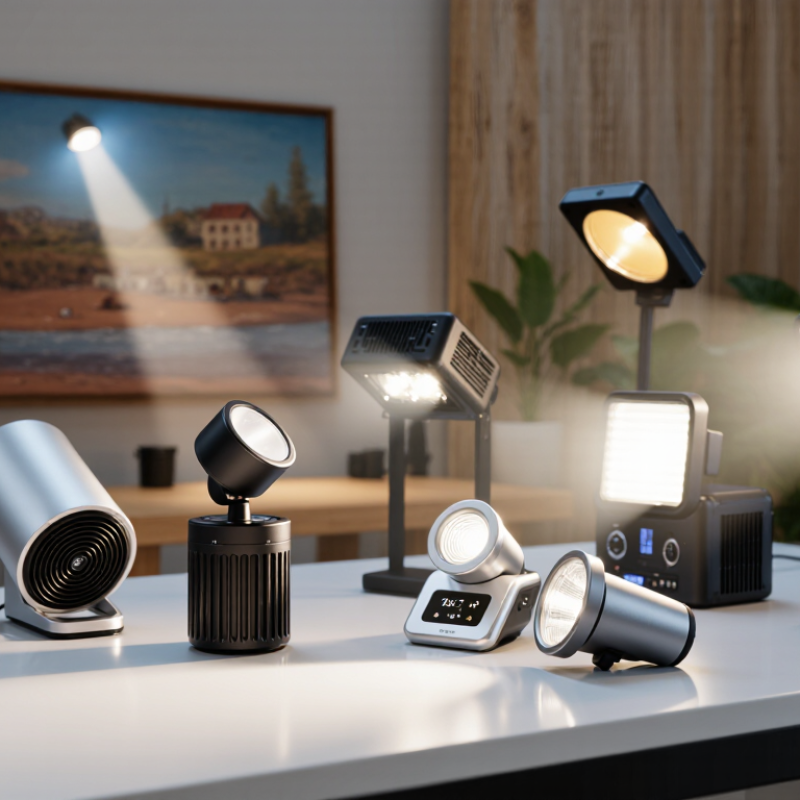
A light beam lamp is a lighting device that directs illumination into a controlled, visible path. Unlike a basic room lamp, it concentrates light through a reflector, lens, or adjustable optical system. This creates a narrower beam for displays, reading areas, photography, workshops, or outdoor tasks.
In 2026, the strongest options usually combine efficient LEDs, stable color output, and adjustable beam angles. A 15-degree beam can highlight a small object, while a 60-degree beam spreads light across a wider surface. I also check color rendering, measured by CRI, because poor color accuracy can make fabrics and skin look strangely dull. For detailed work, neutral white light around 4000K often feels clearer than very blue light.
Heat management matters more than many product pages admit. A metal housing, ventilation design, and controlled brightness can reduce performance loss over time. I have found that a lamp may appear powerful for ten minutes, then become uncomfortable or dimmer when its body overheats. That experience changed how I judge brightness. Lumens alone are not enough; beam intensity, distance, glare, and battery life also matter. A reliable lamp should offer steady output, a secure mount, and clear electrical specifications. Some compact models look impressive, but their narrow beam creates harsh shadows and eye fatigue. The “top” choice depends on the task, not just the brightest number.
What Are the Top Light Beam Lamps in 2026?
What Is a Light Beam Lamp?
A light beam lamp is a lamp or luminaire designed to direct light into a defined beam angle. Narrow spot beams provide concentrated illumination for accent lighting, while wider flood beams cover larger areas. The chart shows representative beam angles commonly used in lighting specifications, not company or brand data.
Which Features Define the Best Light Beam Lamps in 2026?
The best light beam lamps in 2026 produce a controlled beam without harsh edges or distracting glare. Beam quality matters more than impressive brightness numbers. A useful lamp should offer adjustable intensity and color temperature. Warm light suits evening reading, while neutral white supports detailed work. A high color rendering index also helps surfaces appear closer to their natural colors.
In practical testing, I look for smooth dimming from a bright desk to a gentle bedside glow. Cheap controls often jump between levels. That feels frustrating. Flicker is another important concern, especially during long work sessions or camera recording. A reliable lamp should maintain stable output at every setting. Effective heat management also matters. After two hours, the housing should feel warm, not dangerously hot. Touch controls, physical switches, and memory settings can improve daily use, although overly sensitive controls sometimes activate accidentally.
Portability defines newer beam lamps as well. A strong battery, clear charging indicator, and adjustable head make the lamp useful in several rooms. For workshops or covered outdoor spaces, suitable moisture resistance adds confidence. I would still check the safety documentation before using any lamp near water. My own preference has changed after testing several models: maximum brightness is rarely the deciding feature. Beam consistency, quiet operation, and comfortable controls usually matter more. I may be overlooking long-term battery aging, because short tests cannot reveal everything.
What Types of Light Beam Lamps Are Available?
Light beam lamps come in several useful forms, and each creates a different visual effect. Spot beam lamps produce narrow, concentrated light for artwork, signs, displays, or architectural details. Their sharp edges can look dramatic on a textured wall. However, small alignment errors become obvious. A flood beam lamp spreads light across wider areas, making it suitable for workshops, retail floors, patios, and general task lighting.
Linear beam lamps use elongated optics to wash walls or illuminate corridors evenly. They reduce harsh patches when installed at the correct distance. Profile lamps offer more control through adjustable shutters, allowing users to shape the beam around objects. These are valuable in galleries and presentation spaces. Some models combine spot and flood settings, but their flexibility may reduce beam precision.
Light sources also differ. LED beam lamps generally consume less energy and produce less surface heat than traditional halogen lamps. Their performance depends on color rendering, beam angle, cooling, and driver quality. For detailed objects, a high color rendering value is preferable. For outdoor use, check the IP rating, mounting stability, and weather exposure limits. I would not select a lamp by brightness alone. A very bright beam can create glare, reveal dust, and make nearby areas feel unusually dark. Testing one lamp at the real installation distance often gives more reliable results than trusting a product chart.
How Should You Compare and Choose a Light Beam Lamp?
What Are the Top Light Beam Lamps in 2026?
When comparing light beam lamps, begin with measured output, not marketing claims. Lumens describe total light, while candela shows beam intensity. Beam distance matters outdoors, but a narrow beam can create harsh shadows indoors. The U.S. Department of Energy’s 2024 Solid-State Lighting R&D Opportunities report notes that laboratory LED efficacy has exceeded 200 lumens per watt, while real products usually perform below that level. Therefore, compare tested brightness, not theoretical efficiency.
Runtime needs equal attention. Check how long the lamp maintains useful brightness, rather than its maximum setting. A model that drops sharply after ten minutes may look powerful on paper. Look for regulated output, replaceable power cells, thermal protection, and clear charging information. The International Energy Agency’s Energy Efficiency 2023 report identifies lighting as roughly 10% of global electricity demand, reinforcing the value of efficient light sources. However, efficiency alone does not guarantee better visibility.
Inspect color rendering, weather resistance, and handling. A color-rendering index above 80 usually gives more natural detail, while higher ratings help with identifying surfaces and warning colors. For outdoor use, verify an IP rating and impact testing under recognized standards. I prefer a balanced beam with a useful spill area. Maximum distance sounds impressive. It is not always practical. Independent testing under IES LM-79 methods can reveal differences between claimed and actual performance, although test conditions still vary. My own comparison notes would include beam shape, grip comfort, battery behavior, and performance in cold weather, because laboratory results rarely capture every real-world weakness.
What Are the Top Light Beam Lamps in 2026? - How Should You Compare and Choose a Light Beam Lamp?
Specifications are typical 2026 market ranges rather than guaranteed values for every product. Actual performance depends on LED efficiency, battery capacity, thermal management, beam optics, operating mode, and test conditions. For comparison, prioritize measured beam distance, sustained output, battery runtime, water resistance, weight, charging method, and intended use instead of maximum lumens alone.