What Are the Top Products for Automation?
Choosing the right products for automation now requires more than comparing software features or robot prices. It requires examining workflow friction, safety, integration, and measurable business value. The International Federation of Robotics reported 541,302 industrial robots were installed worldwide in 2023. Its World Robotics 2024 report also recorded approximately 4.28 million robots operating globally. These figures show strong adoption, but they do not prove that every factory needs more robots.
The best automation products may include collaborative robots, automated guided vehicles, machine-vision systems, robotic process automation, warehouse software, and industrial sensors. Each product solves a different problem. A cobot may handle repetitive pallet loading beside workers. Vision software can detect a scratched component under bright inspection lights. A warehouse platform can reduce walking time, but only when inventory data remains accurate. Small details matter.
Robotics pioneer Joseph Engelberger once said, “I can’t define a robot, but I know one when I see one.” His statement still feels useful, although it is not a complete buying framework. Buyers must connect equipment with labor goals, maintenance skills, cybersecurity controls, and payback periods. The McKinsey Global Institute has estimated that automation could affect many workplace activities, yet actual results vary widely by industry and process. That uncertainty deserves attention.
This guide examines the top products for automation through practical use cases, published industry evidence, and implementation risks. Some rankings may remain debatable. That is intentional. A product that transforms a high-volume packaging line may disappoint a small workshop with unstable demand. Reliable automation begins with the process, not the machine.
Industrial Robots: 541,302 Installations in 2023, According to IFR
What Are the Top Products for Automation?
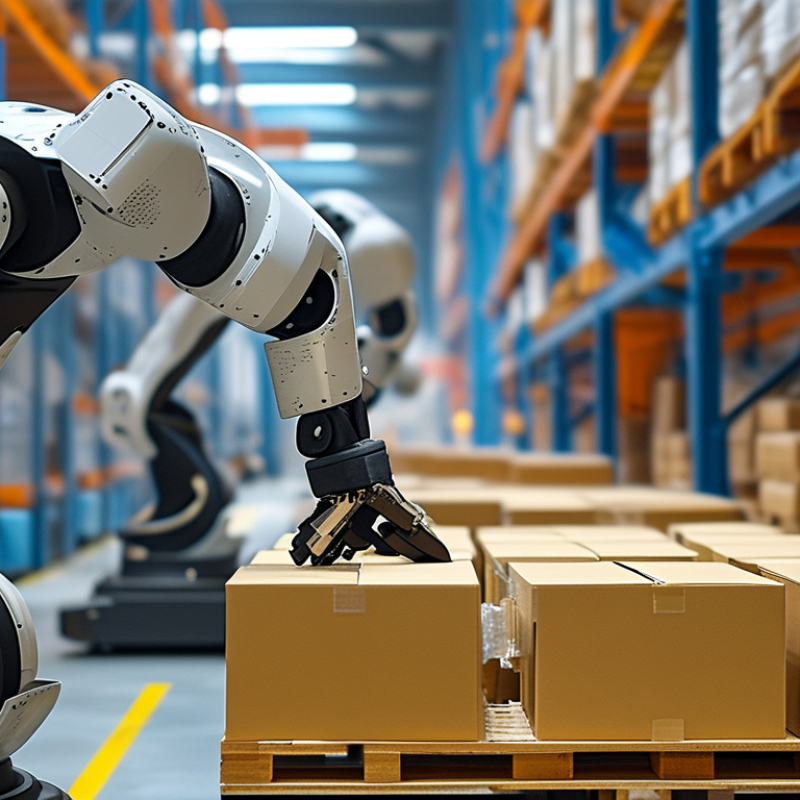
Industrial robots remain a leading automation product in modern manufacturing. The International Federation of Robotics reported 541,302 installations worldwide in 2023. This figure appeared in its World Robotics 2024 report. Installations declined slightly from 2022, yet demand stayed historically strong. The global operational stock reached about 4.28 million robots. These machines now handle welding, assembly, packaging, inspection, and palletizing. A robot arm may repeat the same movement for thousands of cycles. That consistency helps reduce ergonomic strain and production variation. Still, robots do not solve every factory problem.
A complete automation cell often includes machine vision, force sensors, grippers, safety controllers, and production software. Vision systems inspect surface defects under controlled lighting. Force sensing helps a robot place delicate parts without crushing them. Safety equipment creates monitored zones around moving machinery. IFR data also shows that automotive, electronics, and metal industries remain important users. However, installation numbers alone can mislead. A poorly designed cell may create delays, difficult maintenance, and new training demands. The technology is powerful, but the process design can be weak.
Tips: Measure cycle time before choosing equipment. Test real parts, not ideal samples. Keep spare sensors available. Train operators early. Review safety requirements with qualified professionals. A small pilot may reveal overlooked problems, including glare, vibration, or irregular material placement. That lesson is easy to ignore.
Collaborative Robots: 10.5% of 2023 Robot Installations, per IFR
What Are the Top Products for Automation?
Collaborative robots accounted for 10.5% of robot installations in 2023, according to the International Federation of Robotics. This figure shows steady interest in flexible automation, especially among manufacturers with limited floor space. Unlike traditional industrial robots, collaborative robots can support workers near shared production areas. They often handle machine tending, inspection, packaging, and repetitive assembly.
The robot arm is only one part of the system. Effective installations usually include force sensing, protective monitoring, an adjustable gripper, and clear operating software. A vision camera can help identify product position or detect visible defects. Good integration matters more than impressive specifications. A fast robot may still underperform when parts arrive unevenly or fixtures lack precision.
Small details decide results. A loose cable can stop a shift. An awkward gripper can create damaging delays. Teams should measure cycle time under real working conditions, not only in demonstrations. Safety assessments also need regular review after layout changes. This is where many projects become less polished. The automation may work, but operators may dislike its interface or maintenance demands. My practical view is cautious: collaborative robots are useful products, yet they are not automatic solutions. Training, fixture design, and reliable support still require human judgment. The 10.5% share signals adoption, not universal suitability.
RPA Software: Gartner’s $2.9 Billion Market Estimate for 2022
What Are the Top Products for Automation?
RPA Software: Gartner’s $2.9 Billion Market Estimate for 2022
Automation products are moving beyond simple screen-clicking. Gartner estimated the global RPA software market reached $2.9 billion in 2022. That figure represented strong year-over-year growth, despite economic pressure. The market includes attended bots, unattended bots, workflow tools, and process discovery software. These products can reduce manual data entry, route invoices, and update records across disconnected systems.
The most useful tools usually combine bot management, audit logs, access controls, and exception handling. Document processing also matters. It can extract fields from invoices, forms, and emailed attachments. Deloitte’s 2022 Global RPA Survey reported that many organizations planned to expand automation investment after early deployments. However, adoption does not guarantee value. A bot can automate a poor process faster. That is an expensive form of progress.
Tips: Start with a repetitive process that has clear rules and measurable volume. Record processing time before deployment. Test unusual cases, not only clean examples. Review permissions monthly. Gartner’s market estimate is significant, but it does not measure business success alone. Savings, accuracy, employee experience, and compliance controls should be tracked together. Small pilots often reveal hidden exceptions. That is useful, even when the first result disappoints.
Global RPA Software Market Estimate, 2022
Industry research estimated the worldwide robotic process automation software market at approximately $2.9 billion in 2022. This figure represents software-market revenue rather than total spending on automation services, consulting, or implementation.
Warehouse AMRs: Interact Analysis Forecasts Continued Double-Digit Growth
What Are the Top Products for Automation?
Warehouse AMRs: Interact Analysis Forecasts Continued Double-Digit Growth
Autonomous mobile robots are becoming a central product in warehouse automation. Industry forecasts from Interact Analysis point to continued double-digit growth in the AMR market. This momentum reflects rising labor costs, faster e-commerce fulfillment, and pressure to move goods with fewer delays.
In practical terms, an AMR can carry cartons from storage racks to a packing station. It can also follow digital routes, avoid obstacles, and adjust to changing workflows. Picture a busy warehouse at 2 p.m., with small robots moving beneath bright aisle lights while workers prepare orders nearby. AMRs need room. They also need reliable maps, safe traffic rules, and trained staff.
The strongest deployments usually begin with repetitive transport tasks. Companies can measure travel time, order accuracy, battery use, and worker movement before expanding. This approach reduces risk and reveals operational weaknesses. A fast robot cannot fix poor inventory data or badly designed aisles.
The forecast is promising, but it is not a guarantee. Some facilities may purchase too many units before understanding their real workload. Others may underestimate maintenance, software integration, or charging requirements. I have found that automation projects often succeed through gradual testing, not dramatic replacement. A small pilot can expose noise, bottlenecks, and unexpected human-machine interactions before larger investment decisions are made.
Smart Sensors and PLCs: Enabling McKinsey’s $3.9–$11.1 Trillion IoT Potential
What Are the Top Products for Automation?
Smart sensors and programmable logic controllers (PLCs) form the practical core of industrial automation. Sensors measure vibration, temperature, pressure, and energy use near the equipment. PLCs then convert these signals into fast, repeatable actions. Together, they can reduce downtime and improve workplace visibility. McKinsey estimates that IoT could create $3.9–$11.1 trillion in annual economic value. That opportunity depends on reliable data, not fashionable dashboards.
In real facilities, a sensor may detect a motor bearing heating by six degrees. The PLC can slow the machine, trigger an alert, or stop the line safely. My early automation projects focused too much on installation speed. Later, we found that calibration, cable protection, and operator training mattered more. Small errors multiplied quickly. A strong system also needs clear maintenance records and secure access controls. No device performs perfectly in dusty, wet, or electrically noisy environments.
Tips:
Start with one measurable problem, such as unplanned stoppages. Choose sensors that match the process and operating conditions. Test readings against manual inspections before automating decisions. Keep PLC logic simple enough for technicians to understand. Review false alarms every month. Some alerts will be wrong. That is useful feedback, not failure. Use it to improve thresholds, placement, and maintenance routines.