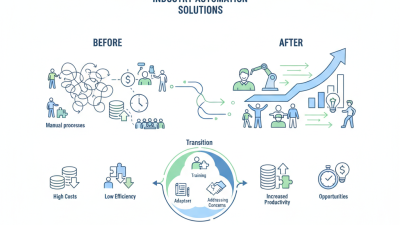
Why Is New Technology in Automation Important for Buyers?
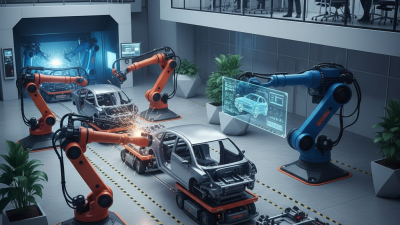
New technology in automation is changing how buyers evaluate production lines, warehouses, and service operations. Sensors can flag a worn bearing before a motor fails. Machine vision can inspect parts at line speed. Connected robots can share status data with existing software. Yet impressive demonstrations do not guarantee dependable results on a busy factory floor.
That promise is not automatic. A buyer should ask how a system performs during shift changes, product variation, and network interruptions. Integration costs, operator training, spare parts, cybersecurity, and maintenance access all affect the real value. A robotic cell that saves labor but requires specialist support for every adjustment may disappoint. So can an AI inspection system trained on images unlike the parts arriving today.
Technology scholars Erik Brynjolfsson and Andrew McAfee offer a useful perspective in The Second Machine Age: “The key to winning the race is not to compete against machines but to compete with machines.” Their point helps frame a practical purchasing question: how will new tools support people, rather than simply replace a task on paper? Buyers should compare measurable outcomes, such as cycle time, defect rates, uptime, and total ownership cost. They should also test a system with representative materials and real operating conditions. A careful pilot may reveal awkward handoffs or maintenance needs that a sales presentation misses. That is useful evidence, even when it complicates the decision. The strongest investment is not always the newest machine; it is the one a team can operate, maintain, and improve reliably.
Define Automation’s Market Scale: IFR Recorded 541,302 Robot Installations in 2023
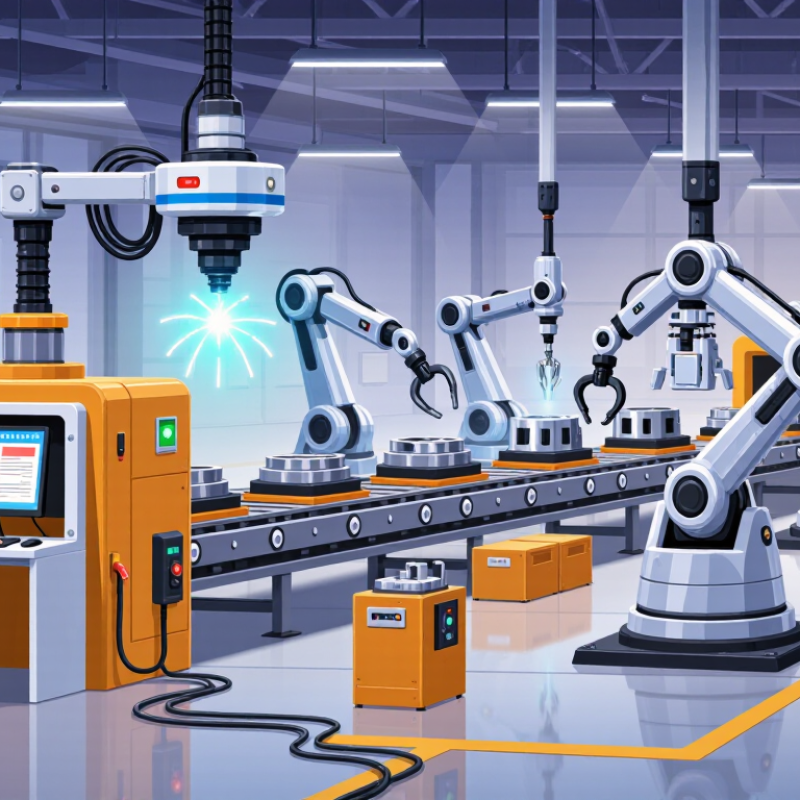
Automation has moved from isolated pilot projects into mainstream production. The International Federation of Robotics recorded 541,302 industrial robot installations worldwide in 2023. That figure gives buyers a useful measure of market scale, though it counts installations, not every automated system. Scale matters. It signals that equipment, integration skills, and operating experience are available across many industries.
For a buyer, the number is a starting point, not a purchasing argument. A robot moving trays beside a packaging line may suit one factory, while another needs flexible handling for changing product sizes. Buyers should check cycle time, floor space, safety requirements, maintenance support, and how easily the system connects with existing equipment. Not everywhere. A high installation count does not mean automation fits every task or budget. Costs can be underestimated when training, downtime, and process redesign are left out. The market is large, but the right choice still depends on the work on the floor—and that assessment can be less tidy than a spreadsheet suggests.
Compare Regional Adoption: Asia Accounted for 70% of 2023 Installations (IFR)
Asia’s lead is not a forecast; it is a signal buyers can verify. The International Federation of Robotics’ World Robotics 2024 report records 541,302 industrial robots installed worldwide in 2023, with Asia accounting for 70%. China installed 276,288 units, and Japan installed 46,106. These figures point to a deep regional base of automation experience. But high adoption does not guarantee a solution will suit every factory.
For buyers, regional adoption matters because it can shape access to integrators, spare parts, and technical support. IFR also reports that global robot density reached 162 robots per 10,000 manufacturing employees in 2023. That average hides large differences between countries and industries. A busy production line in one market may need rapid changeovers; another may prioritize stable output and easier maintenance. Compare local service coverage, operator training, and integration needs—not just installation totals. A widely adopted technology can still be a poor fit. That is easy to overlook.
Tips: Ask for local service response times and references from facilities with similar workflows. Check spare-part availability and training plans before comparing purchase prices. Be candid about uncertainty: a pilot can reveal bottlenecks that a sales forecast misses.
Benchmark Workforce Adoption: Robot Density Reached 162 per 10,000 Workers (IFR)
IFR’s benchmark of 162 industrial robots per 10,000 workers offers buyers a useful reference point for automation adoption. It suggests robots are becoming a normal part of production, not a distant experiment. But a global average is not a purchase target. A small workshop assembling varied parts faces different constraints from a high-volume plant running fixed shifts. That matters.
Tips: Compare your operation with the benchmark, then measure one task: cycle time, missed picks, downtime, and safety handoffs. Ask operators to test the cell with real parts and changeovers. Include integration, training, maintenance, and spare-part costs in the business case. A neat demo can hide awkward daily work.
Buyers should ask what robot density means for their own process. Higher density can reflect mature infrastructure and skills, but it does not prove every added robot pays back. Start with a bottleneck that has stable inputs, such as repetitive pallet handling or machine tending. Track output and unplanned stops for several weeks. Keep a manual fallback while the team learns. I would be cautious here: adoption statistics show direction, not guaranteed savings. The right system should make work more predictable without making the line harder to recover.
Why Is New Technology in Automation Important for Buyers?
Global manufacturing robot density rose to 162 robots per 10,000 workers in 2023, reflecting the growing adoption of automation.
Robot density measures the number of operational industrial robots per 10,000 workers in manufacturing. Higher density can signal broader automation adoption and is a useful benchmark for buyers evaluating technology needs. Source: International Federation of Robotics (IFR).
Assess Buyer Fit Through Tasks, Integration, Safety, and Lifecycle Costs
New automation technology matters when it solves a real production problem, not simply because its interface looks modern. Start by mapping the task: load size, cycle time, handoffs, and the awkward exceptions workers handle by feel. Watch a full shift, not just a polished demonstration. A system that handles uniform boxes may struggle with reflective surfaces, mixed product sizes, or a jammed feed. Compare tested performance with your own conditions, and define what an acceptable result looks like.
Check how the equipment will connect with existing machines, controls, and data systems. A small interface mismatch can create hours of manual work. Review guarding, emergency stops, access for cleaning, and the steps needed to clear faults safely. Estimate lifecycle costs, including installation, training, maintenance, energy, spare parts, and future upgrades. Forecasts are only estimates; assumptions about uptime and labor savings deserve a second look. A low purchase price can hide costly downtime.
Tips: Run a limited pilot using real materials and a typical shift. Record exceptions, operator feedback, service needs, and total time saved—not just peak speed. Compare those results with your original task map before committing.
Check Supplier Experience Against 4.28 Million Robots in Operation (IFR, 2023)
In 2023, an estimated 4.28 million industrial robots were operating worldwide, a 10% increase on the previous year, according to the International Federation of Robotics’ World Robotics 2024 report. This installed base makes supplier experience more than a sales claim. Buyers should ask for evidence from systems with comparable payloads, cycle times, and working conditions. A robot moving small parts on a clean factory floor may not perform the same way beside hot, dusty machinery.
Ask suppliers how they measure uptime, handle faults, and train operators. Request references from installations that have run for several years, not only new demonstrations. Check whether spare parts and technical support are available locally. A fast robot is not automatically a productive one. Poor integration can leave it waiting for materials or people. The robot count signals industry adoption, but it does not prove that every supplier can deliver dependable results. That distinction is easy to miss.
Tips: Ask for maintenance records, recovery-time examples, and a live cycle test using your parts. Confirm what is included in commissioning. One awkward question helps: what went wrong on a similar project, and what changed afterward? No metric tells the whole story.