Why Choose Automation for Global Sourcing Success?
In today's fast-paced global market, businesses face increasing pressure to optimize their sourcing strategies. One prominent expert in the field, Sarah Jensen, states, "The future of sourcing lies through automation." Her insight reflects a growing trend among companies seeking efficiency and competitiveness. Automation not only streamlines processes but also enhances decision-making speed.
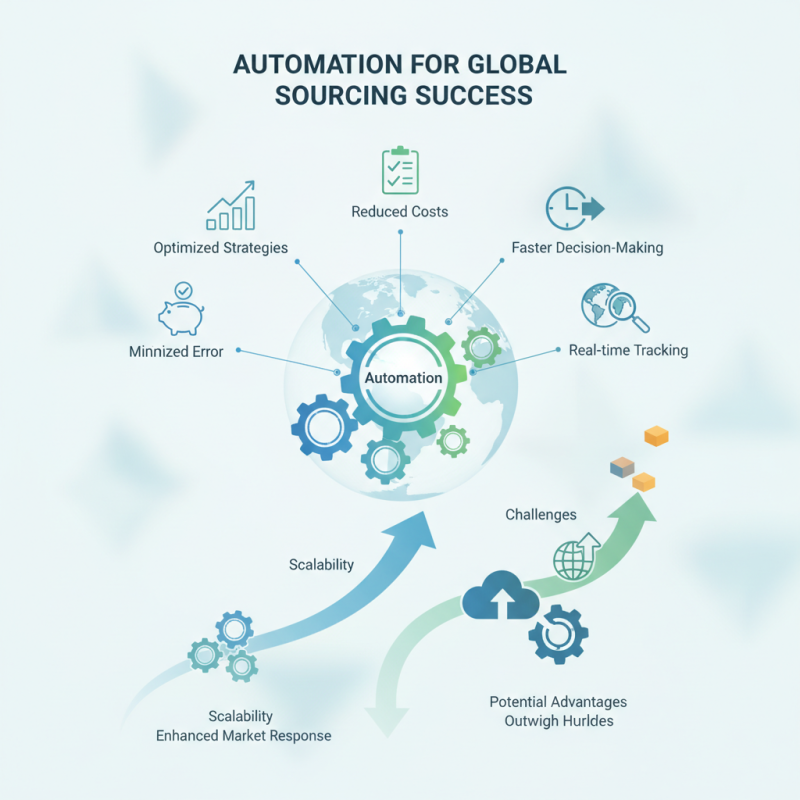
Through automation, businesses can minimize human error and reduce costs. This technology allows for better tracking of global suppliers and real-time adjustments to sourcing strategies. As organizations shift toward automated systems, they enhance their ability to respond to changes in the market. Companies that embrace automation often find they can scale their operations more effectively. However, it requires careful planning and adaptation to new tools.
Yet, the journey to integrate automation is not without challenges. Some businesses may struggle with change management and employee training. This transition is vital for long-term success. Overall, the potential advantages of sourcing through automation can significantly outweigh the initial hurdles. Embracing this innovative approach can pave the way for enhanced global sourcing success.
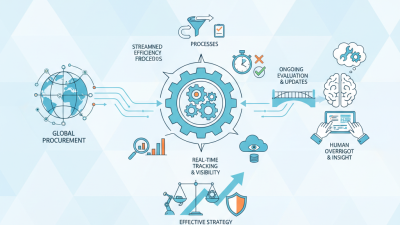
Understanding Global Sourcing and Its Challenges
Global sourcing presents unique challenges for businesses. Organizations face language barriers, cultural differences, and varying standards in quality. These factors can lead to misunderstandings or mismatched expectations. Navigating these hurdles requires skill and experience, as each sourcing decision impacts the supply chain significantly.
Automation plays a crucial role in addressing these challenges. By integrating automated systems, companies can streamline communication and ensure consistency across various regions. Automation helps maintain quality control and track performance. However, reliance on technology is not without its pitfalls. Technical issues can arise, or systems may not always adapt to local nuances. This calls for a balance between technology and human oversight.
Avoiding common mistakes is essential in global sourcing. Many companies overlook the importance of establishing clear guidelines. Without them, negotiations can falter. Regular audits and evaluations of suppliers are vital to measure performance. Yet, businesses must remain aware that their automated systems might not capture the full picture, requiring regular assessments.
The Role of Automation in Streamlining Sourcing Processes
Automation is revolutionizing sourcing processes, making them more efficient and effective. By integrating technology into sourcing, companies can reduce manual errors and speed up decision-making. Automated systems can analyze vast amounts of data quickly. This capability allows for better supplier selection and negotiation processes. Companies often struggle with complex data—automation helps turn this data into actionable insights.
Moreover, automation helps standardize sourcing workflows. With automated systems in place, teams can ensure consistency in procedures. This consistency is crucial for maintaining quality and compliance across different markets. However, companies must remain flexible. Relying too heavily on automation may lead to overlooking important nuances in supplier relationships. Regularly reviewing automated outputs is vital for accuracy.
The implementation of automation also presents challenges. Training staff on new systems can be time-consuming. Resistance to change among employees is common. Companies must foster a culture of adaptation and continuous learning. Engaging employees early in the automation journey can help mitigate these issues. Collecting feedback from teams leads to smoother transitions and more effective automation systems.
Key Technologies Driving Automation in Global Sourcing
Global sourcing has transformed significantly with the adoption of automation technologies. These innovations provide businesses with the tools to streamline their sourcing processes. Key technologies, such as AI and machine learning, automate tasks that used to require manual oversight. This shift minimizes human error, leading to more accurate procurement decisions.
Robotic process automation (RPA) is another critical component. It enables companies to automate routine tasks, like data entry and invoice processing. Companies can allocate resources more efficiently when these tasks are automated. However, not all organizations are ready for this change. Resistance to automation can stem from a lack of understanding or fear of job displacement.
Cloud-based platforms enhance collaboration across global supply chains. They offer real-time insights, improving responsiveness to market changes. Despite these advantages, businesses must confront challenges. Integrating these technologies requires a strategic approach. Many companies struggle to identify the right tools for their needs. Recognizing this gap is essential for successful implementation.
Automation in Global Sourcing: Key Technologies Impact
Benefits of Automation for Cost Reduction and Efficiency
Automation in global sourcing brings transformative advantages. One significant benefit is cost reduction. According to the McKinsey Global Institute, companies can reduce sourcing costs by up to 30% through automation. By automating repetitive tasks, organizations can allocate resources more efficiently. For instance, leveraging robotic process automation (RPA) can streamline procurement processes, cutting down the time spent on manual data entry and approval workflows.
Efficiency gains are another critical aspect. A report from Deloitte found that 72% of organizations believe that automation enhances their operational efficiency. Automated systems can enhance inventory management and improve the accuracy of demand forecasting. Mistakes are less frequent when machines handle data analysis compared to human oversight. Implementing these technologies can result in significant savings and smoother operations.
However, the transition to automation isn't flawless. Many companies face challenges such as resistance from employees or high initial setup costs. It’s essential to foster a culture that embraces change. Continuous training is necessary to ensure that staff can adapt to new technologies. This balancing act between automation and human oversight is crucial for optimal results. Monitoring these systems regularly helps in identifying areas needing improvement.
Case Studies: Successful Automation Implementations in Sourcing
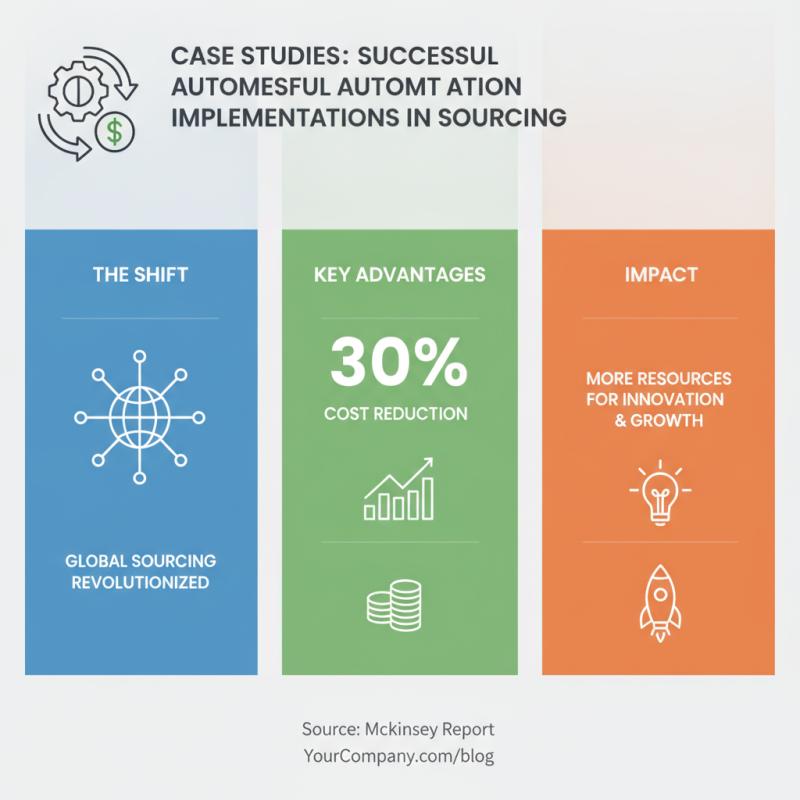
Automation has revolutionized the way companies approach global sourcing. Successful implementations highlight key advantages. For instance, a recent report by McKinsey found that automation can reduce sourcing costs by up to 30%. This significant savings empowers organizations to allocate more resources toward innovation and growth.
A notable case involves a manufacturing firm that adopted automated sourcing tools. They streamlined their supplier selection process using advanced algorithms. This change allowed them to decrease supplier onboarding time by 50%. The firm reported enhanced compliance and better risk management as a direct result.
Another case study from the Logistics Management journal revealed a logistics company that implemented automated procurement. This led to a 40% reduction in manual errors, improving efficiency. However, challenges remain. For instance, companies must continuously evaluate and adapt automation tools to specific needs. There's also the risk of over-reliance on technology, which can sometimes overlook nuanced supplier relationships. Effective sourcing relies not only on systems but on human insight.