Skip to content

What Is Sustainable Automation and How Does It Work?

Sustainable automation combines automated systems with measurable environmental and operational goals. It can mean using sensors to reduce excess heat, robots to limit material waste, or software to schedule equipment when energy demand is lower. The aim is not simply to make a process faster. It is to improve productivity while using fewer resources and maintaining safe, reliable work. Small changes matter. A motor that stops during idle periods can save energy across thousands of operating hours.

A useful warning comes from technology leader Bill Gates: “Automation applied to an inefficient operation will magnify the inefficiency.” That principle matters here. Automating a poorly designed process may lock in waste, increase electricity use, or shift burdens elsewhere. Sustainable automation therefore starts with examining how work happens, then choosing suitable tools and tracking results such as energy use, scrap rates, downtime, and worker safety.

The idea sounds tidy. Real operations are messier. A new sensor may need maintenance; a robot may consume more power than expected; data may be incomplete. These trade-offs deserve scrutiny, not polished promises. This guide explains what sustainable automation means, how its technologies work together, and how organizations can assess benefits and limitations. It also considers practical steps, from mapping a production line to reviewing performance after installation. The goal is informed decision-making, not automation for its own sake.

What Is Sustainable Automation and How Does It Work?

Defining Sustainable Automation

Sustainable automation means using machines, software, and connected controls to improve production while reducing resource use and environmental harm across a system’s life. It includes how equipment is made, powered, maintained, and eventually reused or retired. Faster output alone is not sustainability.

The International Energy Agency’s Energy Efficiency 2023 report says industry accounts for about 37% of global energy use. That makes practical choices on factory floors significant. A variable-speed motor can slow when a conveyor is lightly loaded; sensors can flag compressed-air leaks before they waste energy. Automation can also reduce scrap by catching defects early. But it can create new demand for electricity, equipment, and electronic parts.

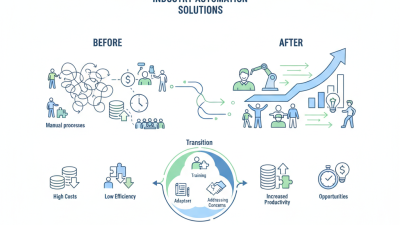
A sustainable system therefore tracks more than production speed. Teams can compare energy and material use per unit, downtime, scrap rates, and equipment lifespan before and after changes. Measure the whole process. A dashboard may show lower energy use per product while total energy rises because output has surged. That distinction matters. Targets need evidence, and results should be checked over time, not assumed from installing newer controls. Sometimes a simple scheduling change works better than another machine; the honest answer depends on the facility’s baseline, operating patterns, and maintenance records.
Core Principles of Sustainable Automation

Sustainable automation means designing automated workflows to deliver useful results while limiting energy use, material waste, and avoidable rework. Its core principles begin with lifecycle thinking. Consider electricity consumption, equipment lifespan, maintenance needs, and end-of-life handling—not just production speed. A packaging line that powers down during long pauses may save energy, while poorly tuned sensors can create needless stops. Small trade-offs matter.

Efficiency should be measured against a clear baseline. Track practical indicators such as energy per unit, rejected materials, downtime, and employee workload. No single metric tells the whole story. Workers often notice jams, awkward handoffs, or quality changes before a dashboard does. Automation should support skilled judgment and preserve clear human oversight. A tidy report can still hide a real problem. That is easy to miss.

Tips: Start with one repetitive task and record its current energy use, error rate, and repair frequency. Run a small pilot, then compare results under similar conditions. Keep a manual fallback for unexpected faults, and ask operators what feels harder after the change. Their feedback may complicate the plan. That is useful. Review performance regularly, because efficient systems can drift as workloads and equipment age.

What Is Sustainable Automation and How Does It Work? - Core Principles of Sustainable Automation
Core Principle How It Works Useful Measures Practical Consideration
Energy efficiency Automation uses sensors, control systems, and software to match energy use to actual demand and reduce idle operation. Energy consumed per unit of output (kWh/unit); total energy use (kWh). Compare like-for-like operating periods and account for changes in output, product mix, and operating conditions.
Lower greenhouse gas emissions Efficient operation can reduce energy-related emissions. Emissions can also be tracked across relevant processes and energy sources. Emissions intensity (kg CO₂e/unit); total emissions (kg or tonnes CO₂e). Use documented emission factors and state the boundary, period, and gases included in the calculation.
Resource and material efficiency Process monitoring and precise control can help reduce scrap, overproduction, excess water use, and unnecessary material consumption. Material used per unit; scrap or waste per unit; water used per unit where relevant. Track both total resource use and use per unit so that efficiency gains do not conceal increased overall consumption.
Lifecycle thinking Equipment and software are assessed across relevant lifecycle stages, including production, operation, maintenance, and end-of-life handling. Equipment lifetime; repair frequency; energy and materials over the chosen lifecycle boundary. Include the impacts of new equipment and supporting infrastructure rather than considering operational savings alone.
Durability and repairability Modular designs, maintainable components, and planned servicing can extend useful life and reduce avoidable replacement. Mean time between failures; repair time; equipment downtime; replacement rate. A longer service life is beneficial only when equipment remains safe, effective, and compatible with current requirements.
Human-centered work Automation can take on repetitive or hazardous tasks while people retain appropriate oversight, training, and meaningful decision-making roles. Training completion; safety incidents; ergonomic risk assessments; worker feedback. Assess impacts on job design, skills, workload, and safety before deployment and during ongoing operation.
Resilience and adaptability Flexible systems can adjust to changing demand and operating conditions, while monitoring and fallback procedures support reliable operation. Availability; unplanned downtime; recovery time; performance under defined operating conditions. Plan for maintenance, system failures, cybersecurity risks, and safe manual or reduced-capacity operation where needed.
Measurement and continual improvement Operational data is reviewed against defined baselines and targets, then used to identify and verify improvements. Baseline and target values; data coverage; performance trends; verified savings. Document measurement methods and assumptions; distinguish measured results from estimates.

Sustainable automation combines automation with measurable environmental, social, and operational goals. Automation alone does not guarantee sustainability; outcomes depend on system design, energy sources, operating practices, and lifecycle impacts.

Technologies That Enable Sustainable Automation

Sustainable automation combines sensors, control software, machine learning, and efficient equipment to reduce energy and material waste during production. Sensors on motors, pumps, and air lines can reveal leaks or idle machines in real time. Control systems then adjust speeds, temperatures, and operating schedules to match actual demand. Digital twins can test process changes virtually before a factory risks downtime or excess scrap. The International Energy Agency’s Energy Efficiency 2023 report says industry accounts for about 37% of global energy use. That makes small, repeated process improvements consequential. But data alone cannot fix poor maintenance or badly tuned equipment.

Automation can also coordinate electrified machinery with on-site generation and energy storage. For example, a facility might shift flexible heating or charging tasks toward hours with abundant renewable electricity. The International Renewable Energy Agency’s Renewable Power Generation Costs in 2023 found that 81% of newly commissioned utility-scale renewable capacity had lower costs than fossil-fuel alternatives. This supports the case for pairing smart controls with cleaner power, though it does not guarantee savings at every site. Not by itself. Results depend on local grids, equipment age, and careful measurement. A useful system tracks energy per unit produced, scrap rates, and machine idle time, then checks whether improvements persist. Even advanced automation can add electronic waste and energy demand. That trade-off deserves attention, not hand-waving.

What Is Sustainable Automation and How Does It Work?

Typical energy-saving potential of selected efficiency technologies used in automated operations

Sustainable automation combines sensors, controls, and efficient equipment to reduce resource use while maintaining operations. The bars show published potential ranges, not guaranteed results; actual savings depend on the system and how it is operated. Variable-speed drives and compressed-air improvements are discussed by the U.S. Department of Energy; the LED comparison is against incandescent lighting.

How Sustainable Automation Works

Sustainable automation connects sensors, software, and machines to reduce waste while keeping work reliable. It begins with a clear process map: where materials, energy, and time are lost. A facility might track compressed-air leaks, idle motors, and repeated quality checks before changing equipment. Small signals matter. For example, a controller can slow a conveyor when no items arrive or adjust ventilation to actual occupancy. Operators should review those settings, since a misplaced sensor or narrow target can harm product quality. That human check helps prevent efficiency from becoming a source of scrap or discomfort.

Tips: Start with one measurable task, such as kilowatt-hours per batch or water used per shift. Compare several weeks of baseline data with results after an adjustment, keeping production conditions as similar as possible. Keep maintenance records; dirty sensors and worn seals quietly erode gains. Be honest about trade-offs. A faster cycle may raise peak power, and replacing a working machine can carry a large material footprint. Review whole-system results periodically, not just dashboard numbers.

Applications and Ways to Measure Its Impact

Sustainable automation uses machines, software, and operating practices to deliver useful work with less energy, waste, and unnecessary strain on people. In a food-processing line, sensors can slow a conveyor when the next station is backed up. That small adjustment may reduce product damage and idle power. In a warehouse, automated lighting and equipment can respond to actual activity rather than running at full output all day. The right application depends on the task. More automation is not automatically more sustainable.

Measure impact against a clear baseline. Track electricity and water per unit produced, material waste, equipment downtime, and defects before and after a change. Include maintenance needs and the resources used to build or replace equipment. Compare similar shifts or production volumes; otherwise, a quieter week can make a system look better than it is. Small details matter. A useful review also asks workers whether the change reduced repetitive effort or created new bottlenecks. Some benefits take time to show. A dashboard can still flatter a project if it counts energy savings but ignores extra repairs or scrapped parts. I would treat early results as provisional, check the figures regularly, and adjust the process when the evidence points the wrong way.