Top Digital Solutions for Automation in Procurement?
In the fast-evolving landscape of procurement, solution automation is becoming increasingly vital. Businesses seek efficiency and accuracy. Digital solutions can streamline procurement processes and reduce manual errors. These tools can save time and increase accountability within teams.
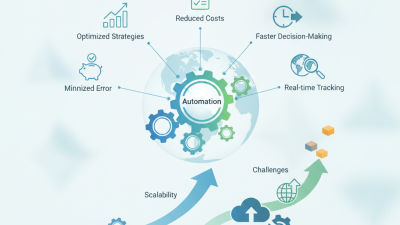
Automation is not without its challenges. Companies often face integration issues with existing systems. Training staff to use new tools can also be demanding. Despite these hurdles, the rewards of implementing automation can be significant. Enhanced data analytics and improved supplier relationships are just a couple of benefits.
Investing in the right digital solutions is crucial for a successful procurement strategy. Selecting tools that align with specific business needs can lead to better outcomes. Companies must carefully evaluate their options to find the most effective solution automation available.
Key Benefits of Automated Procurement Solutions
Automated procurement solutions offer various key benefits that enhance operational efficiency. By streamlining workflow processes, businesses can significantly reduce manual tasks. This shift allows procurement teams to focus more on strategic initiatives rather than routine activities. As a result, organizations can allocate resources more effectively.
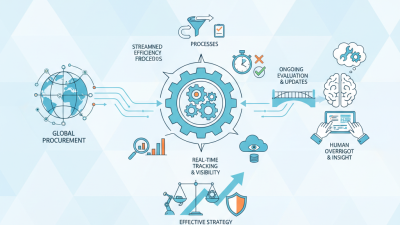
One of the standout advantages is cost savings. Automation minimizes errors and reduces the time spent on procurement, which translates to financial efficiency. Companies can forecast spending accurately and ensure compliance with budget constraints. However, it’s crucial to recognize that automation does not eliminate the need for human oversight. There must be a balance between technology and human input to navigate complex procurement landscapes.
Furthermore, automated systems improve data visibility and reporting. This transparency empowers decision-makers with real-time insights. Still, over-reliance on technology can lead to challenges. Organizations may encounter issues if systems do not integrate well with existing processes. Continuous evaluation and adjustment are essential to optimize these digital solutions and achieve desired outcomes.
Top Digital Solutions for Automation in Procurement
| Solution Type |
Key Features |
Benefits |
ROI (% Improvement) |
| E-Procurement Software |
Vendor management, spend analysis, purchase order management |
Increased efficiency, reduced costs, better compliance |
15% - 25% |
| Contract Management Automation |
Template management, approval workflows, compliance tracking |
Improved contract compliance, faster approvals |
20% - 30% |
| Supplier Relationship Management |
Collaboration tools, performance tracking, risk management |
Stronger supplier relationships, lower risk, improved quality |
10% - 20% |
| Inventory Management Solutions |
Real-time tracking, demand forecasting, order optimization |
Reduced stockouts, optimized inventory levels |
15% - 25% |
| Total Spend Analysis Tools |
Data visualization, spend categorization, reporting tools |
Better financial insight, strategic sourcing |
18% - 28% |
Types of Digital Tools Used in Procurement Automation
In procurement automation, digital tools play a critical role. Many organizations leverage technologies to streamline their processes. Recent studies indicate that automating procurement can reduce costs by 30%. This statistic underlines the importance of integrating digital solutions.
Catalog management systems are essential tools in this space. These platforms help businesses maintain updated product lists, making it easier for teams to manage orders. It reduces errors in procurement, ensuring accuracy. A report from a leading consultancy shows that companies using these systems experience a 20% increase in efficiency.
Another vital category is e-sourcing platforms. These tools facilitate supplier selection and negotiations. They offer insights into supplier performance. Despite their advantages, some organizations struggle with user adoption. Reports suggest that up to 40% of companies face challenges in integrating new technologies. It is crucial to address these issues during implementation.
Implementation Strategies for Automation in Procurement
Implementing automation in procurement can significantly enhance efficiency. Organizations should begin by assessing their current procurement processes. Identify areas where automation could reduce manual tasks. These areas often include vendor management, order processing, and invoice approvals. The goal is to streamline operations while minimizing errors.
Engaging stakeholders early is crucial. Their input shapes a smoother transition to automated systems. Training is another critical component. Employees must be comfortable using new technologies. It is essential to choose user-friendly solutions to increase acceptance among staff. Regular feedback loops can provide insights into the automation's effectiveness.
Measuring success through specific KPIs is necessary. Metrics like time saved and error rate provide tangible results. However, challenges may arise. Resistance to change can hinder progress. It’s vital to recognize these barriers and address them thoughtfully. Automation in procurement is not a one-size-fits-all solution; continuous learning and adaptation are key to long-term success.
Challenges and Solutions in Procurement Automation
Procurement automation has emerged as a necessity for organizations aiming to streamline operations. However, numerous challenges persist. According to a recent report by the Institute for Supply Management, over 60% of procurement professionals identify data integration as a significant barrier. Inadequate systems often lead to fragmented processes and loss of valuable insights. Organizations struggle to unify procurement data from various sources, which hinders decision-making.
Another substantial challenge is user adoption. A survey conducted by Deloitte revealed that only 40% of procurement teams fully utilize digital tools in their workflows. Resistance to change is prevalent, particularly among employees accustomed to traditional methods. Training and support are critical to address this gap. Without sufficient training, even the most advanced technology can fall short of its potential.
The lack of robust cybersecurity measures stands out as another concern. The procurement sector is often a target for cyber-attacks. Reports suggest that over 50% of organizations have experienced security breaches related to their procurement practices. Addressing these vulnerabilities is essential for maintaining stakeholder trust and data integrity. Companies must adopt comprehensive strategies that combine technology with solid security practices to safeguard against evolving threats.
Top Digital Solutions for Automation in Procurement
This chart illustrates the adoption rate of various digital solutions for procurement automation. The data reflects the increasing trends in the use of automated solutions in procurement processes.
Future Trends in Digital Procurement Technologies
In the realm of digital procurement, emerging technologies are reshaping the landscape significantly. Automation tools are now critical for streamlining processes, enhancing efficiency, and minimizing human error. Machine learning algorithms analyze purchasing patterns, providing insights that can optimize supplier relationships. As businesses face evolving market pressures, these tools offer a proactive approach to adapting procurement strategies.
Artificial intelligence is taking center stage. It analyzes vast amounts of data, predicting demand with startling accuracy. This predictive capability means organizations can anticipate needs better. However, businesses must remain cautious. Over-reliance on technology can lead to missed opportunities for human intuition and relationship building. The balance is crucial.
Blockchain technology also presents intriguing possibilities. It enables secure transactions and transparency in the supply chain. While many companies are exploring this avenue, challenges remain, such as scalability and regulatory compliance. Vendors and procurement professionals must collaborate deeply to navigate these complexities. The future looks promising, yet it demands a critical approach to integrating new technologies effectively.