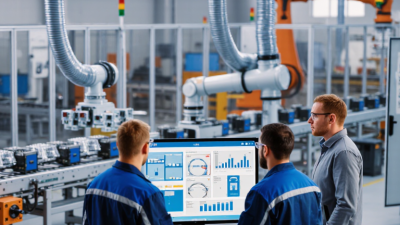
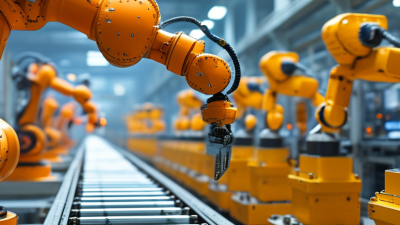
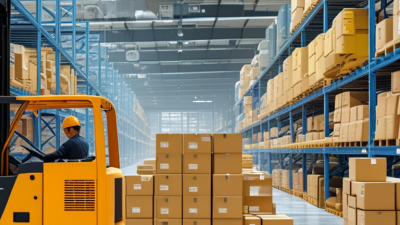
What does automation mean on a factory floor? It is the use of machines, control systems, and software to perform or support production tasks. A sensor may check a bottle’s position, while a programmable controller adjusts a filling line in milliseconds. A robot arm might lift a heavy component, and a vision system can flag a surface defect before packing. These tools work together in many forms of manufacturing industry automation, from a single automated station to a connected production line.
Automation is not simply a matter of replacing people with machines. It can improve repeatability, reduce exposure to strenuous tasks, and help teams track production data. Yet results depend on the process, equipment, and quality of implementation. A poorly integrated machine can cause delays rather than prevent them. The picture is not always tidy. Workers still need training, maintenance teams need access to clear fault information, and managers must weigh operating costs against practical benefits. Human judgment remains important, especially when products vary or unexpected faults occur.
This article explains the main types of manufacturing automation, how they function, and where they are commonly used. It also examines potential benefits, limitations, and factors to consider before adopting new systems. The goal is a clear, grounded overview—not a promise that automation fits every factory.
What Is Automation in the Manufacturing Industry?
Definition and Scope of Manufacturing Automation
Manufacturing automation is the use of machines, control systems, and software to perform or support production tasks. Its scope extends beyond robots. It includes sensors that detect temperature or vibration, programmable controllers that coordinate equipment, and software that tracks production and quality. A camera can inspect a seam; a conveyor can move parts between workstations. People still set targets, handle exceptions, and maintain equipment.
Automation can cover one repetitive task or connect an entire production line, from material handling to inspection. The International Federation of Robotics’ World Robotics 2024 report recorded 4,281,585 industrial robots operating in factories worldwide in 2023, up 10% from the year before. A 2019 Deloitte and MAPI smart-factory study found that 86% of surveyed manufacturing executives expected smart-factory initiatives to drive competitiveness within five years. These figures describe different things: robot use and executive expectations, not guaranteed productivity gains.
The practical boundary is often blurry. A production line may combine automated machines with manual checks, paper logs, and operator judgment. That mix matters. A dashboard may show steady output while a sensor misses gradual wear or workers spend time correcting small faults. Automation changes how work is controlled and measured, but it does not remove the need to question what the system fails to capture.

What Is Automation in the Manufacturing Industry?
Core Technologies Used in Automated Manufacturing
Automated manufacturing relies on a connected stack of control systems, sensors, machines, and software. Programmable logic controllers coordinate equipment on the production line. Industrial robots handle repetitive tasks, such as lifting components or welding a seam. Machine-vision cameras inspect surfaces for scratches, missing parts, or incorrect alignment. Small details matter.
Sensors collect data on temperature, vibration, pressure, and machine speed. Industrial networks move that data to control systems and software dashboards. Artificial intelligence can help detect unusual patterns, while digital twins simulate production changes before teams adjust a real line. These tools are useful, but they depend on reliable data and careful setup. A forecast is not a fix.
Adoption is substantial. The International Federation of Robotics reported 4,281,585 industrial robots in operation worldwide in 2023, with 541,302 newly installed that year (World Robotics 2024). Deloitte’s 2024 Smart Manufacturing Survey found that 92% of surveyed manufacturers viewed smart manufacturing as a primary driver of competitiveness over the next three years. Those figures show momentum, not guaranteed results. Integrating older equipment can be difficult, and a connected line may still stop when a sensor is miscalibrated. Human oversight remains essential.
| Core Technology | How It Works | Typical Manufacturing Applications | Common Data or Signals | Key Considerations |
|---|---|---|---|---|
| Industrial robots | Programmable machines move tools or materials through repeatable sequences, often using multiple axes of motion. | Welding, painting, machine tending, material handling, and assembly. | Position, speed, tool status, cycle time, and safety signals. | Tasks need suitable reach, payload, accuracy, guarding, and safety controls. |
| Programmable logic controllers (PLCs) | Industrial controllers read input signals, execute programmed logic, and control equipment outputs in real time. | Operating conveyors, pumps, presses, packaging equipment, and production-line sequences. | Sensor inputs, equipment states, alarms, setpoints, and output commands. | Reliable operation depends on sound control logic, electrical design, and maintenance practices. |
| Industrial sensors and machine vision | Sensors detect physical conditions; vision systems capture and analyze images to identify features or defects. | Part detection, dimensional checks, defect inspection, position guidance, and process monitoring. | Presence, distance, temperature, pressure, image features, and inspection results. | Performance depends on sensor placement, lighting, calibration, and the production environment. |
| Computer numerical control (CNC) | Computer-controlled instructions guide machine tools along programmed paths to shape or finish material. | Milling, turning, drilling, cutting, and other precision machining operations. | Tool position, spindle speed, feed rate, program status, and machine alarms. | Programs, tooling, workholding, and machine setup must match the material and part requirements. |
| Automated material handling | Conveyors, automated guided vehicles, and related systems move materials between work areas. | Transporting raw materials, work in progress, and finished goods within facilities. | Location, route, load status, movement commands, and traffic or safety status. | Facility layout, traffic management, load limits, and safe interaction with people are important. |
| Manufacturing execution systems (MES) | Software coordinates and records production activities between planning systems and the shop floor. | Work-order dispatch, production tracking, quality records, and traceability. | Order progress, quantities, material use, operator actions, and quality results. | Useful deployment requires consistent production data and integration with other systems. |
| Industrial Internet of Things (IIoT) | Connected devices collect and exchange equipment and process data for monitoring and analysis. | Equipment monitoring, energy tracking, condition monitoring, and production dashboards. | Vibration, temperature, energy use, runtime, and equipment events. | Network security, data quality, connectivity, and clear data-use policies need attention. |
| Automated inspection and quality control | Inspection equipment measures products or processes and compares results with defined requirements. | In-line dimensional inspection, product verification, and process-quality checks. | Measurements, pass/fail results, defect categories, and inspection timestamps. | Measurement methods should be validated and suitable for the required tolerance and inspection rate. |
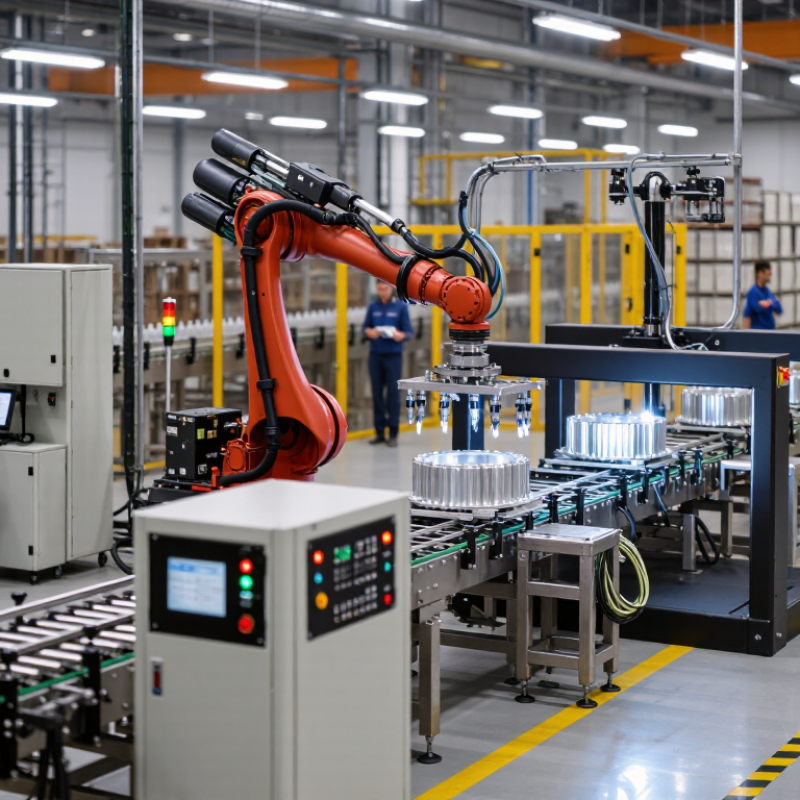
Automated production systems connect machines, sensors, software, and people into a coordinated workflow. A sensor may detect a metal part arriving on a conveyor, then signal a controller to start a robotic arm. The arm positions the part while a camera checks its alignment. If the measurement falls outside the set range, the system can pause the station or flag the item for inspection. Small errors matter.
The workflow depends on clear instructions and reliable feedback. Controllers compare sensor readings with programmed limits, then adjust speed, temperature, or machine timing. Operators monitor screens, load materials, and respond to alerts; automation does not remove their role. A shift supervisor might notice repeated pauses near a packaging station and check for a misaligned guide rail. The dashboard may show the delay, but not always its cause.
A production line can appear smooth while quietly wasting material at a poorly timed handoff. That detail is easy to miss. Good system design includes testing, routine maintenance, and ways to stop equipment safely when readings seem wrong. Even then, settings may need adjustment as materials or product designs change. Automation works best when its data is checked against what is happening on the factory floor.
Industrial robots are one visible part of automated production systems, performing tasks such as welding, assembly, and material handling.
Robot density is the number of operational industrial robots per 10,000 manufacturing employees. It indicates the prevalence of industrial robots, not the percentage of production that is automated. Source: International Federation of Robotics, World Robotics 2024.
Automation in manufacturing connects machines, sensors, and software to perform repeatable tasks with consistent timing. Its value depends on choosing suitable tasks, not automating every step. On an assembly line, robotic arms can place components, tighten screws, or transfer parts between stations. Vision sensors can inspect dimensions and surface defects as products move past. In cutting and molding, automated controls help maintain temperature, pressure, and tool paths. Small changes matter.
Packaging systems count products, seal cartons, and print batch details. Conveyors can move materials between work cells, while production software tracks quantities and machine downtime. These applications can reduce repetitive handling and improve process visibility. But automation may also repeat a mistake quickly if a sensor is misaligned or a setting is wrong.
Tips: Start with one measurable task. Record cycle time, errors, and stoppages before making changes. Keep a manual fallback, and schedule checks for sensors and moving parts.
A useful system fits the actual workflow. For example, a machine may finish a part faster than the next station can accept it, creating a queue instead of a gain. Operators also need clear training and a way to report unusual behavior. These details are easy to overlook, and they deserve review after installation.
Manufacturing automation uses machines, sensors, and software to perform production tasks with less direct human input. A robotic arm may weld a frame, while sensors check temperature or detect uneven parts on a moving line. These systems can repeat precise movements and maintain steady output across long shifts. That consistency can reduce defects and help workers avoid repetitive, physically demanding tasks. It can also reveal production delays through machine data, such as frequent pauses at a packaging station. Still, smoother output is not guaranteed.
Automation requires substantial planning, equipment, and staff training. A small sensor fault can stop an entire line if the process depends on one machine. Maintenance teams need time and clear procedures to find the cause, not just restart equipment. Costs can be difficult to estimate, especially when older machines need upgrades to work with new controls. Workers may also need practical training before responsibilities change. This part is easy to underestimate. Automation can shift jobs toward setup, inspection, and troubleshooting, but the transition may feel uneven across teams. Managers should test changes on a limited production area, track downtime and defect rates, and ask operators what the data misses. A dashboard cannot explain every jam, awkward reach, or workaround on the factory floor.